

B2B Lead Nurturing: How Email, Content, and Retargeting Work Together
B2B leads rarely convert after the first interaction. A prospect may download a guide, read a blog, visit a service page, attend a webinar, and still take weeks or months before speaking to sales.
This does not mean the lead is weak. It often means the buyer needs more clarity, more proof, and more confidence before making a decision.
That is where lead nurturing becomes important.
B2B lead nurturing keeps your brand connected with prospects through useful content, timely emails, and retargeting campaigns. When these channels work together, they help move leads from interest to trust, and from trust to enquiry.
What Is B2B Lead Nurturing?
B2B lead nurturing is the process of building a relationship with potential buyers over time.
It uses planned communication to educate prospects, answer doubts, share proof, and guide them toward the next step. The goal is not to push every lead into a sales call immediately. The goal is to support them until they are ready.
Lead nurturing is useful because B2B decisions often involve multiple stakeholders, internal approvals, budget reviews, and vendor comparisons.
A strong nurturing system helps your brand stay visible during this long decision process.
Why B2B Leads Need Nurturing
Most B2B leads are not sales-ready at the first touchpoint.
Some are researching a problem. Some are comparing vendors. Some are collecting information for a future project. Some may need approval from senior teams.
Without nurturing, these leads may forget your brand or choose a competitor that communicates better.
Lead nurturing helps by:
• Keeping your brand visible
• Educating prospects
• Building trust over time
• Answering common objections
• Improving lead quality
• Supporting sales follow-up
• Shortening decision delays
For businesses using Digital Marketing Services in Boston, lead nurturing can help turn early-stage website visitors into better-qualified B2B opportunities.
How Email Supports Lead Nurturing
Email is one of the most useful channels for B2B lead nurturing because it allows direct and structured communication.
Once a prospect shares their details, email can guide them through a planned sequence. The content can change based on their interest, service need, or stage in the buying journey.
A basic B2B email sequence may include:
• Welcome email
• Problem-focused educational email
• Case study email
• Service explanation email
• Testimonial or proof email
• Consultation offer email
The tone should be helpful, not aggressive. Each email should give the reader a reason to stay engaged.
How Content Builds Trust During the Journey
Content gives prospects the information they need before speaking to sales.
Blogs, guides, case studies, comparison pages, videos, whitepapers, webinars, and FAQs all support the buyer journey. Each content piece should answer a real question or reduce a real concern.
For example, a prospect may want to know:
• How does the service work?
• What results can be expected?
• How long does implementation take?
• What makes one provider better than another?
• What common mistakes should be avoided?
• How is ROI measured?
When your content answers these questions clearly, prospects feel more confident about your expertise.
How Retargeting Keeps the Brand Visible
Retargeting helps reconnect with people who already interacted with your brand.
A prospect may visit your website and leave without enquiring. Retargeting allows you to show relevant ads to that person later on platforms like LinkedIn, Meta, YouTube, or Google Display.
Retargeting works well because the audience is already warm. They have seen your brand before.
Retargeting ads can promote:
• Case studies
• Blog posts
• Webinars
• Service pages
• Consultation offers
• Client testimonials
• Industry-specific guides
This repeated visibility helps build recall and trust.
Why These Three Channels Work Better Together
Email, content, and retargeting are stronger when connected.
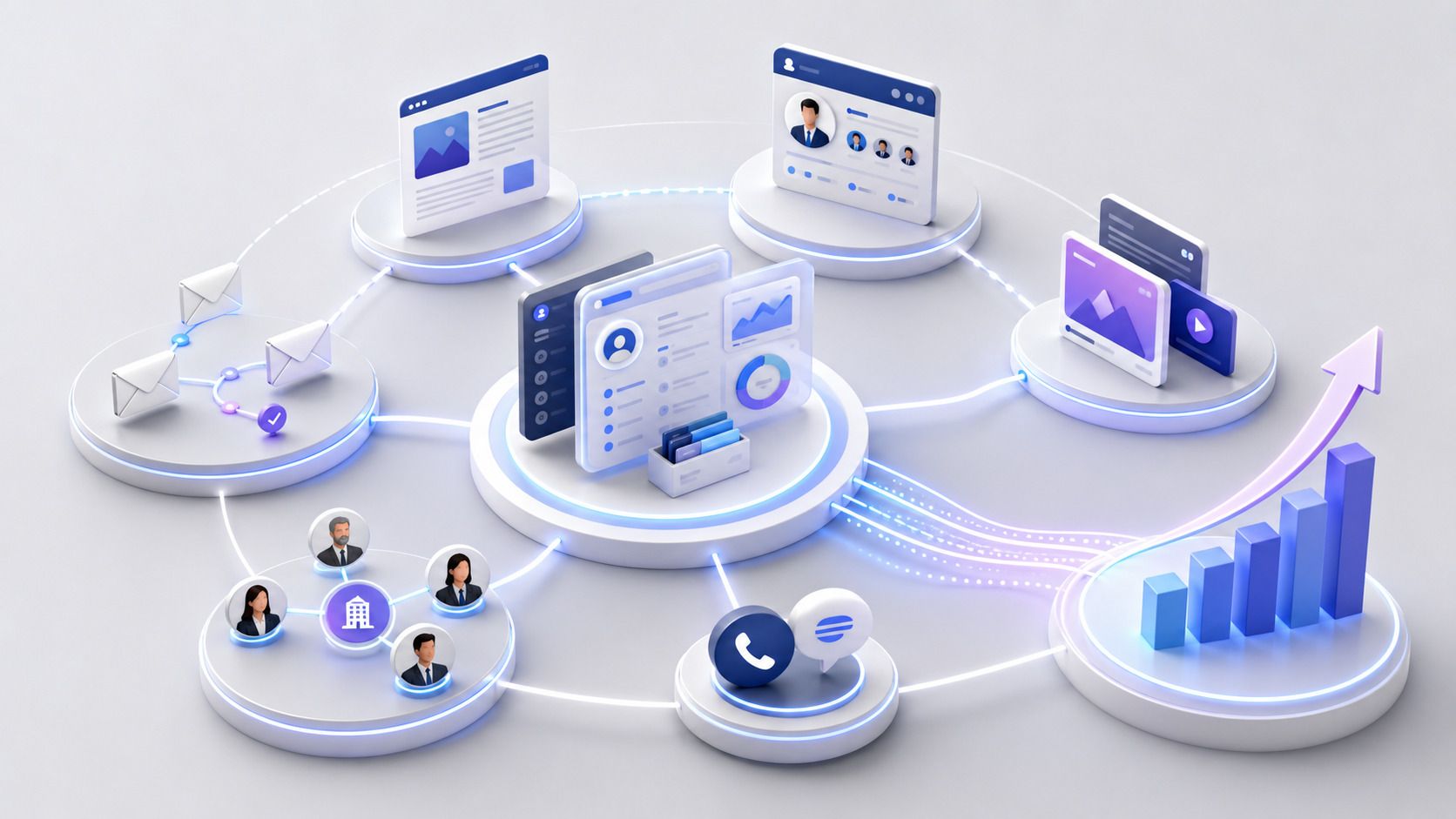
Content educates the prospect. Email delivers the content at the right time. Retargeting brings the prospect back when they do not respond immediately.
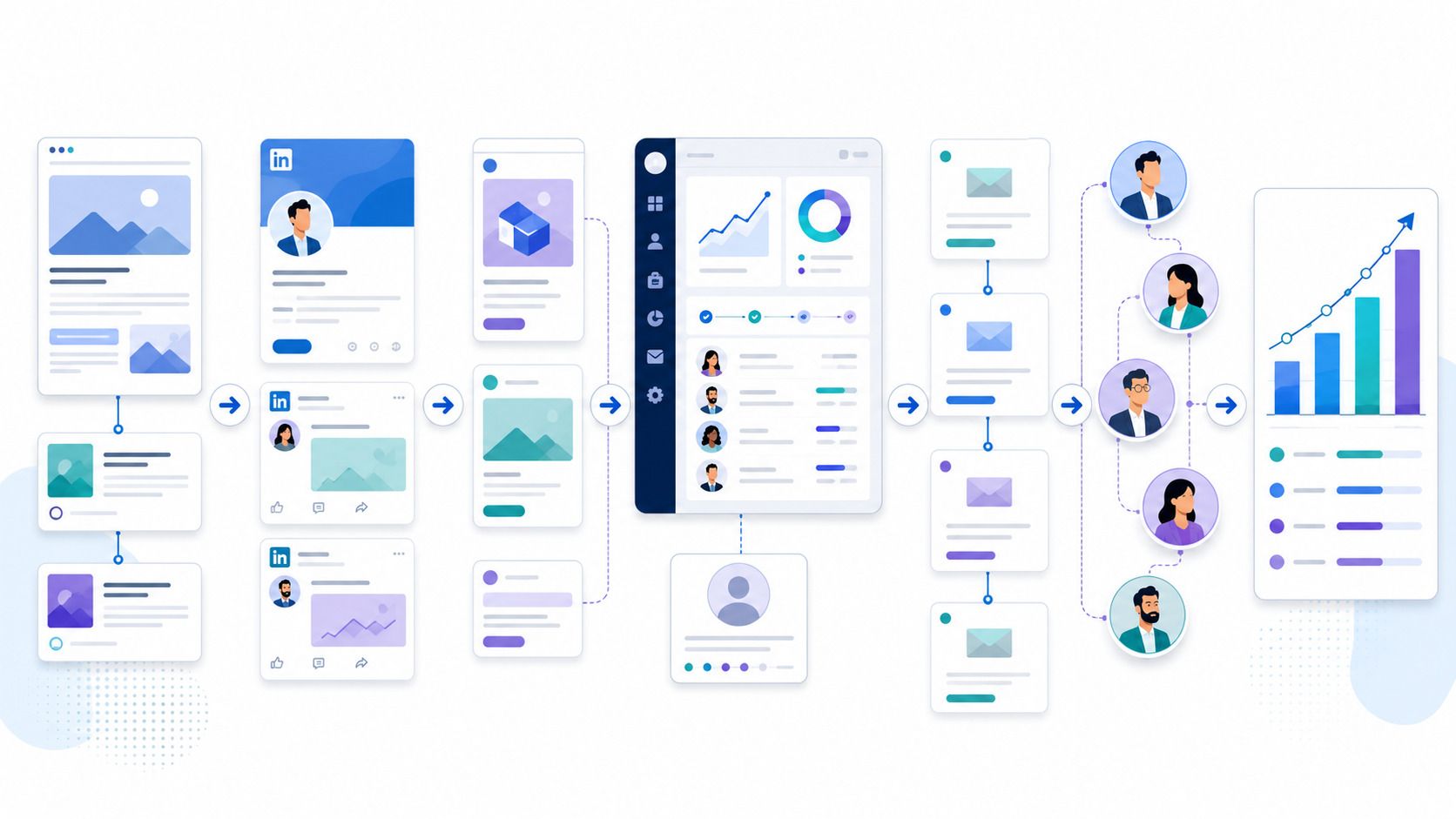
For example, a lead may download a guide from your website. They receive an email with related blog content. Later, they see a LinkedIn retargeting ad with a case study. Then they receive another email inviting them to book a consultation.
This creates a connected journey instead of random marketing activity.
The prospect sees your brand across multiple useful touchpoints, which improves the chance of conversion.
Match Nurturing Content to Buyer Stages
Not every lead should receive the same message.
A person reading an educational blog may need awareness content. A person visiting a pricing or service page may be closer to decision-making.
Awareness Stage
At this stage, prospects are learning about a problem. Use blogs, guides, short videos, checklists, and explainer content.
Consideration Stage
Here, prospects are comparing options. Use case studies, service pages, webinars, comparison content, and expert insights.
Decision Stage
At this stage, prospects need confidence to act. Use testimonials, audits, consultations, demos, proposals, and ROI-focused content.
Matching content to stage improves relevance and engagement.
Use CRM Data to Personalize Nurturing
CRM data helps make lead nurturing smarter.
Instead of sending the same email to every contact, businesses can segment leads based on industry, service interest, company size, location, source, or activity.
For example, a lead who visited a performance marketing page should receive different content from someone who downloaded an SEO guide.
Useful CRM signals include:
• Lead source
• Pages visited
• Email opens
• Content downloads
• Form responses
• Industry
• Job role
• Sales stage
• Last interaction date
Personalized nurturing feels more relevant and improves response quality.
Build Strong Lead Scoring Rules
Lead scoring helps identify which prospects are more likely to convert.
A lead can receive points based on actions such as opening emails, clicking links, visiting service pages, attending webinars, or requesting information.
For example:
• Blog visit: low score
• Guide download: medium score
• Case study view: higher score
• Pricing page visit: higher score
• Consultation form start: very high score
This helps sales teams prioritize warm leads instead of treating every contact the same.
Align Sales and Marketing Follow-Up
Lead nurturing works best when sales and marketing teams share the same process.
Marketing can warm up leads through content, email, and retargeting. Sales can step in when the lead shows stronger buying signals.
Both teams should agree on:
• What makes a lead qualified
• When sales should contact the lead
• Which content supports each objection
• How follow-up should be handled
• What CRM updates are required
• Which leads need more nurturing
This avoids missed opportunities and improves conversion rates.
Common Mistakes in B2B Lead Nurturing
Many businesses collect leads but do not nurture them properly.
Common mistakes include:
• Sending only sales-heavy emails
• Using generic content for every lead
• Not retargeting website visitors
• Ignoring CRM activity
• Following up too late
• Sending too many emails too quickly
• Not segmenting audiences
• Tracking only form submissions
• Not sharing proof or case studies
These gaps can cause interested prospects to lose trust or move to another provider.
How to Measure Lead Nurturing Success
Lead nurturing should be measured beyond open rates and clicks.
The real question is whether nurturing improves lead quality and sales movement.
Track metrics such as:
• Email click-through rate
• Content engagement
• Retargeting conversion rate
• Website return visits
• Lead score growth
• Meeting bookings
• Sales-qualified leads
• Pipeline value
• Lead-to-customer conversion rate
• Sales cycle length
These metrics show whether your nurturing system is helping prospects move forward.
Final Thoughts
B2B lead nurturing is not a single email or one retargeting campaign. It is a connected system that keeps your brand useful, visible, and trusted throughout the buying journey.
Email helps maintain direct communication. Content educates and builds authority. Retargeting brings warm prospects back with relevant messages.
Together, these channels help businesses improve lead quality, support long sales cycles, and increase conversion chances.
For B2B brands, the strongest results come from nurturing with patience, relevance, and proof. When prospects receive the right content at the right time, they are more likely to move from interest to serious sales conversations.
"“B2B leads convert when the right message reaches them more than once, across the channels they already use to research and decide.”"