

B2C Digital Marketing Strategy: How Consumer Brands Drive Sales Online
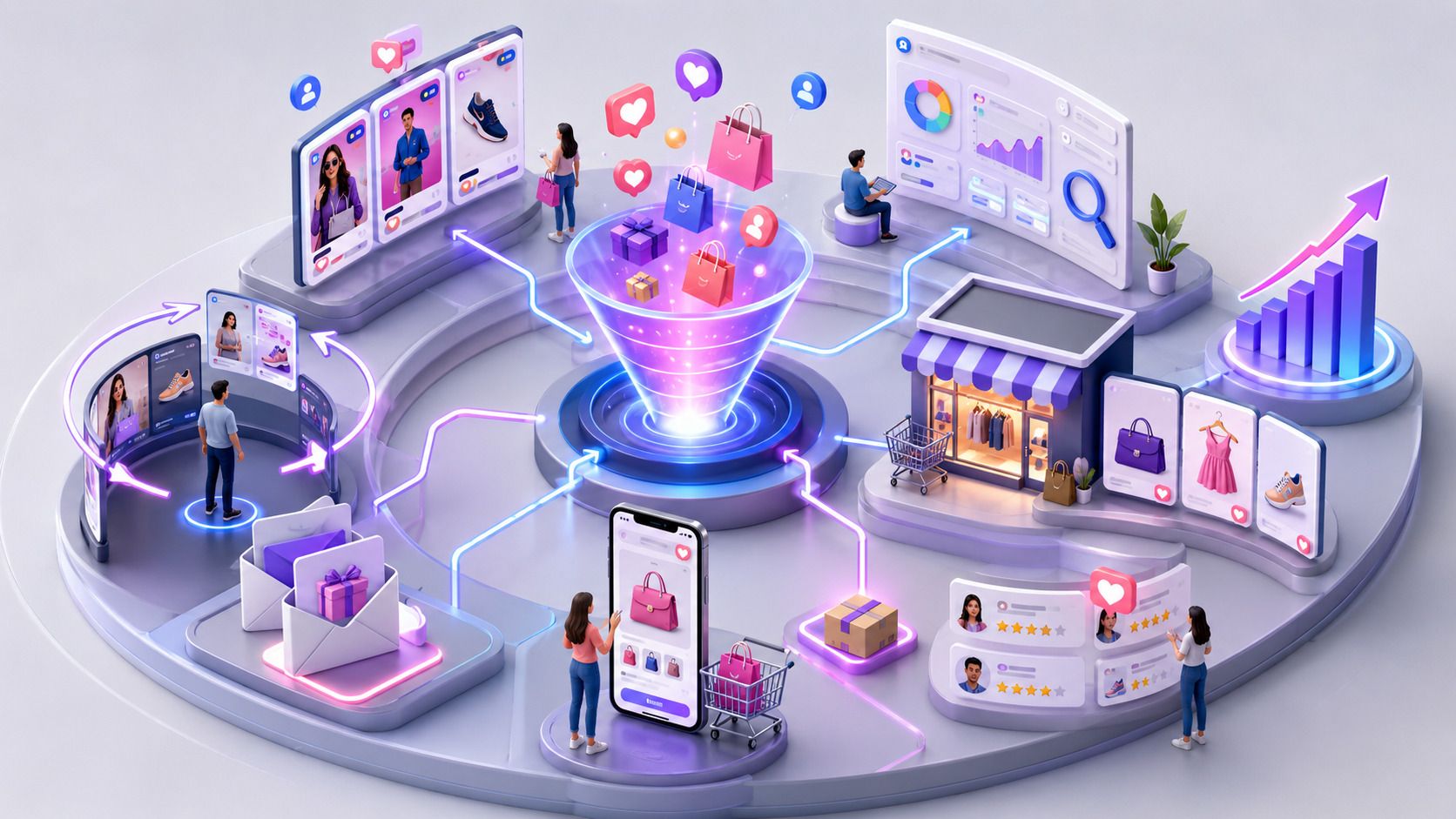
Consumer buying decisions happen fast. A person may discover a product on Instagram, search for reviews on Google, visit the website, compare prices, and complete a purchase within minutes.
This is why B2C digital marketing needs speed, clarity, trust, and strong user experience.
Unlike B2B marketing, where decisions often take weeks or months, B2C marketing usually focuses on direct interest, emotional connection, convenience, offers, and repeat engagement. The goal is to reach the right consumer, build confidence quickly, and make the buying process simple.
What Is B2C Digital Marketing?
B2C digital marketing means promoting products or services directly to individual consumers through online channels.
These channels may include Google Search, social media, ecommerce websites, email campaigns, influencer marketing, YouTube, marketplaces, remarketing ads, and mobile-first campaigns.
The focus is on understanding consumer needs and guiding them toward purchase.
For example, a skincare brand may use Instagram reels for awareness, SEO blogs for education, product pages for conversion, and email campaigns for repeat purchases. Each channel supports a different part of the buying journey.
Why B2C Brands Need a Strong Digital Strategy
Consumers now compare brands before making even small purchases. They look at product images, prices, reviews, delivery timelines, return policies, social media activity, and customer feedback.
A weak digital presence can reduce trust.
Even if the product is good, customers may leave if the website is slow, the reviews are missing, the product page is unclear, or the ad message feels generic.
A strong B2C digital strategy helps brands stay visible, build trust, attract new buyers, and increase repeat sales.
Understand the Consumer Journey
B2C buyers usually move through a simple but fast journey.
They discover, compare, trust, and buy.
This journey may include:
• Seeing an ad or social post
• Visiting the website
• Reading product details
• Checking reviews
• Comparing price and offers
• Adding to cart
• Completing payment
• Receiving follow-up communication
Every step matters. If one part feels difficult, the customer may drop off.
Consumer brands need to reduce friction at every stage.
Use SEO to Capture Buying Intent
SEO helps B2C brands appear when consumers search for products, categories, comparisons, and solutions.
For example, users may search for “best running shoes for daily use,” “organic skincare for dry skin,” “affordable furniture online,” or “gift ideas for women.”
These searches show interest. If your website appears with useful content and strong product pages, it can attract qualified traffic.
A business using Digital Marketing Services in Atlanta can improve online sales by building SEO pages around product categories, local search intent, customer questions, and high-conversion buying terms.
SEO also supports long-term visibility, reducing complete dependency on paid ads.
Social Media Builds Desire and Trust
Social media is one of the strongest channels for B2C brands.
Platforms like Instagram, Facebook, TikTok, YouTube, and Pinterest help brands show products visually, tell stories, educate customers, and build lifestyle appeal.
Social media works well because consumers often buy based on emotion, aspiration, convenience, and trust.
Effective B2C social content may include:
• Product demos
• Customer testimonials
• Reels and short videos
• Before-and-after content
• Influencer collaborations
• User-generated content
• Offers and launches
• Behind-the-scenes posts
Good social media content does not only show the product. It shows how the product fits into the customer’s life.
Paid Ads Help Scale Sales Faster
Paid advertising helps B2C brands reach consumers quickly.
Google Ads captures people who are already searching. Meta Ads and TikTok Ads help create interest through visuals, offers, and audience targeting. YouTube Ads help explain products through video.
Paid ads are useful for:
• New product launches
• Seasonal campaigns
• Offer promotions
• Cart recovery
• Brand awareness
• Lead generation
• Ecommerce sales
• Retargeting campaigns
The best paid campaigns use clear messaging, strong visuals, focused landing pages, and accurate conversion tracking.
A good ad should make the consumer understand the value quickly.
Product Pages Must Be Built for Conversion
For B2C brands, the product page is where interest turns into action.
A weak product page can waste both organic and paid traffic. Customers need enough information to feel confident before buying.
A strong product page should include:
• Clear product title
• High-quality images
• Simple product description
• Benefits and features
• Price and offer details
• Customer reviews
• Delivery information
• Return policy
• Size, color, or variant options
• Strong call-to-action
The page should be mobile-friendly because many B2C purchases happen on phones.
Reviews and Social Proof Drive Sales
Consumers trust other customers.
Reviews, ratings, testimonials, influencer feedback, and user-generated content all help reduce purchase hesitation.
A product with real reviews feels safer than one with only brand claims.
Social proof can be used across product pages, ads, emails, landing pages, and social media posts.
For example, a fashion brand can show customer photos. A beauty brand can show verified reviews. A food brand can show user reactions. A fitness brand can show transformation stories.
Proof makes the purchase decision easier.
Email Marketing Improves Repeat Purchases
B2C growth does not end after the first sale.
Email marketing helps brands bring customers back through personalized offers, product recommendations, restock alerts, seasonal campaigns, and loyalty updates.
Useful B2C email campaigns include:
• Welcome emails
• Abandoned cart reminders
• Product recommendation emails
• Discount campaigns
• New launch updates
• Reorder reminders
• Review request emails
• Loyalty rewards
Email works well because it reaches people who already showed interest or purchased before.
Repeat customers often cost less to convert than new customers.
Retargeting Brings Back Interested Buyers
Many consumers visit a website and leave without buying.
They may compare prices, get distracted, wait for a discount, or need more time. Retargeting helps bring them back.
Retargeting ads can show:
• Viewed products
• Cart reminders
• Limited offers
• Customer reviews
• Similar products
• Bestsellers
• New arrivals
• Free shipping messages
These ads work because they target people who already know the brand.
Retargeting is especially useful for ecommerce brands, local consumer services, education brands, wellness brands, fashion brands, beauty brands, and home lifestyle businesses.
Influencer Marketing Builds Faster Awareness
Influencer marketing helps B2C brands reach audiences through trusted creators.
Consumers often trust creators because their content feels personal and relatable. A good influencer campaign can introduce products, explain benefits, show real usage, and create demand.
The focus should not be only follower count. Brands should check audience relevance, engagement quality, content style, and trust level.
Micro-influencers can sometimes bring better engagement than large influencers because their audience may feel more connected.
Mobile Experience Directly Affects Sales
Most B2C consumers browse and buy through mobile devices.
If the mobile experience is poor, sales will drop.
A mobile-friendly website should have:
• Fast loading speed
• Clear product images
• Easy navigation
• Simple checkout
• Tap-friendly buttons
• Short forms
• Visible offers
• Multiple payment options
A smooth mobile journey reduces drop-offs and improves conversion rates.
Track the Right Metrics
B2C marketing should be measured beyond traffic and likes.
Important metrics include:
• Website conversion rate
• Cost per purchase
• Cart abandonment rate
• Average order value
• Repeat purchase rate
• Customer acquisition cost
• Return on ad spend
• Email revenue
• Product page performance
• Customer lifetime value
These metrics help brands understand what is working and where improvements are needed.
Final Thoughts
B2C digital marketing works best when every channel supports the customer journey.
SEO brings search visibility. Social media builds desire. Paid ads scale reach. Product pages convert interest into sales. Reviews build trust. Email and retargeting bring customers back.
Consumer brands need more than random posts or short-term campaigns. They need a connected strategy that makes discovery, trust, purchase, and repeat engagement easier.
When the right message reaches the right consumer at the right moment, online sales become more predictable and scalable.
"“B2C marketing works when brands understand consumer intent, create trust quickly, and make every digital touchpoint easier to act on.”"