

How to Build a Content Marketing Strategy That Generates Leads
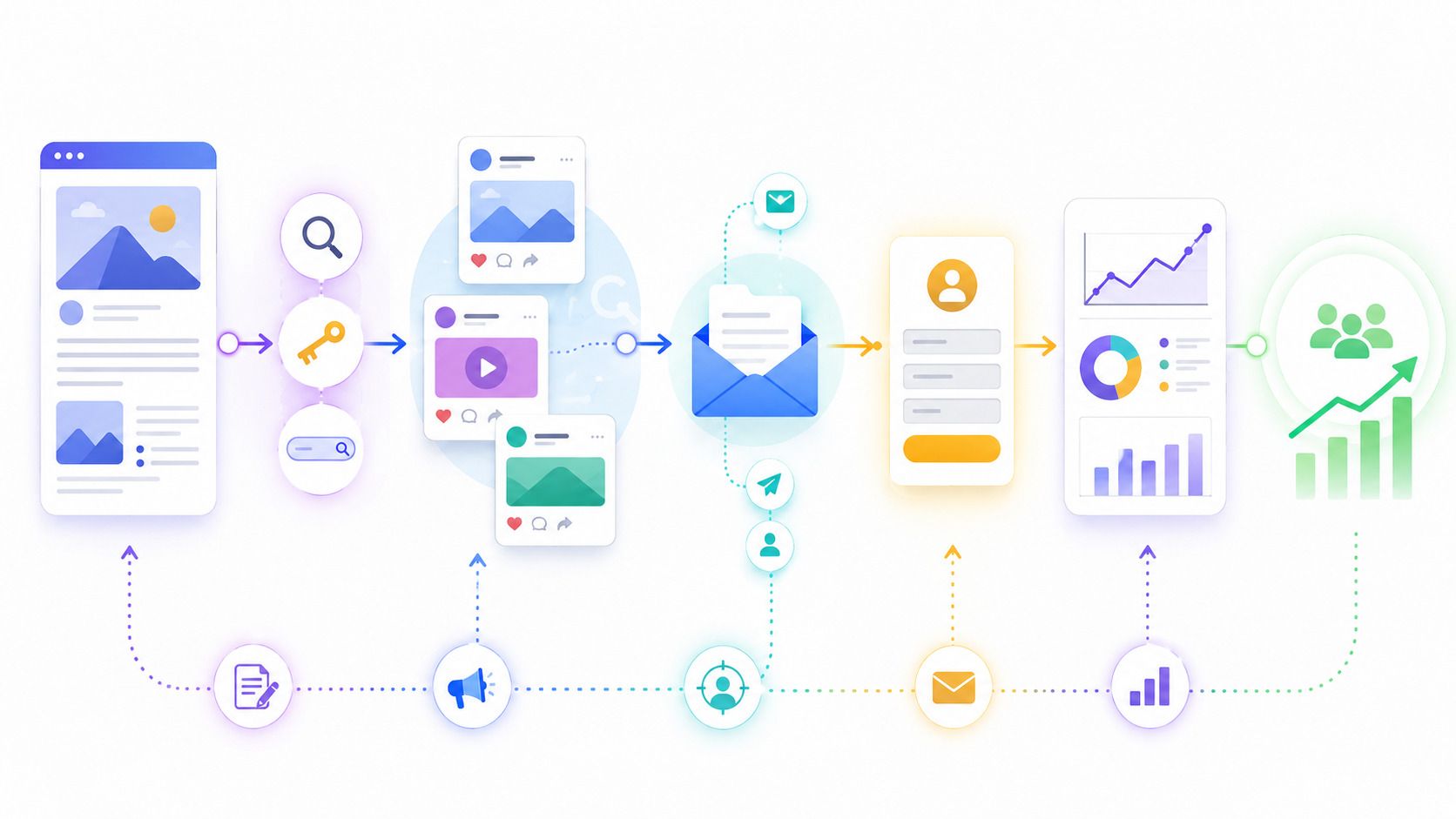
Content can bring traffic, but traffic alone does not grow a business. A blog may get views. A social post may get likes. A guide may get downloads. But if these actions do not move people closer to enquiry, the content strategy needs work.
A strong content marketing strategy should do more than publish regular articles. It should attract the right audience, answer real questions, build trust, and guide visitors toward action. For businesses that depend on qualified leads, content must be planned with both search intent and conversion intent.
This is where lead-focused content marketing becomes important.
What Is a Content Marketing Strategy?
A content marketing strategy is a planned approach to creating and sharing useful content for a specific audience. It defines what content to create, who it is for, where it should be published, and how it will support business goals.
Content marketing can include:
• Blog articles
• Service pages
• Case studies
• Landing pages
• Email newsletters
• Social media posts
• Videos
• Guides
• FAQs
• Industry reports
• Downloadable resources
The goal is not to create content for the sake of activity. The goal is to help the right people understand their problem, trust your business, and take the next step.
Why Content Marketing Matters for Lead Generation
People rarely become leads the first time they see a brand. They search, compare, read, review, and then decide. Content supports this journey.
A good content strategy helps your business appear when users are looking for answers. It also helps them understand why your service is relevant to their needs.
Content marketing supports lead generation by:
• Improving search visibility
• Educating potential customers
• Building trust before sales calls
• Answering buying questions
• Supporting SEO growth
• Improving website engagement
• Creating conversion paths
• Nurturing leads over time
When content is planned properly, it becomes a long-term lead generation asset.
Start With Clear Business Goals
Before creating content, define what the business wants to achieve. Without clear goals, content can become scattered.
Your content goal may be to:
• Generate service enquiries
• Increase local visibility
• Improve organic traffic
• Build brand authority
• Support paid campaigns
• Nurture existing leads
• Improve conversion rates
• Educate a specific audience
Each goal needs a different content plan. For example, a business that wants local enquiries may need location pages, service blogs, and Google Business Profile content. A B2B company may need case studies, comparison guides, and LinkedIn content.
Clear goals help decide what content should be created first.
Understand Your Target Audience
Lead-generating content begins with audience understanding. You need to know who you are speaking to and what they care about.
Study your audience based on:
• Their main problems
• Their buying concerns
• Their common questions
• Their budget expectations
• Their decision timeline
• Their preferred platforms
• Their objections before enquiry
• Their service expectations
For example, a business owner may not search only for “content marketing.” They may search for “how to get better leads online,” “why website traffic is not converting,” or “best marketing strategy for local business.”
Good content uses the language your customers use.

Map Content to the Customer Journey
Not every user is ready to contact your business. Some are still learning. Some are comparing. Some are ready to take action.
Your content strategy should support each stage.
Awareness Stage
At this stage, users are trying to understand a problem. They need helpful, educational content.
Examples:
• What is content marketing?
• Why is SEO important for lead generation?
• How does digital marketing help business growth?
• Common reasons websites do not generate leads
This content attracts users early and introduces your brand as a helpful source.
Consideration Stage
At this stage, users are comparing solutions and providers. They need proof, clarity, and confidence.
Examples:
• Content marketing vs paid ads
• How to choose a digital marketing agency
• What should a content strategy include?
• Case studies and industry-specific guides
This content helps users trust your expertise.
Conversion Stage
At this stage, users are ready to act. They need clear service details and simple enquiry paths.
Examples:
• Service pages
• Local landing pages
• Pricing or consultation pages
• Case studies
• FAQs
• Contact-focused CTAs
A company looking for Digital Marketing Services in Houston may first read a blog, then visit a service page, compare proof points, and finally submit an enquiry.
Use SEO to Attract Qualified Traffic
SEO is one of the strongest foundations of content marketing. It helps your content appear when people search for topics related to your service.
A lead-focused SEO content plan should include:
• Service-focused keywords
• Problem-based keywords
• Location-based keywords
• Comparison keywords
• Long-tail search terms
• Question-based topics
• Industry-specific keywords
The goal is not only to rank for high-volume keywords. Many high-volume keywords bring general traffic. Lead generation often comes from specific, intent-driven keywords.
For example, “what is digital marketing” may attract awareness traffic. “digital marketing agency for small business” may attract stronger commercial intent.
Both have value, but they need different content and CTAs.
Create Content Around Real Customer Questions
The best content often comes from real conversations with customers. Sales calls, enquiry forms, support chats, reviews, and competitor research can reveal what people want to know before they buy.
Common content questions include:
• How does this service work?
• What results can I expect?
• How long does it take?
• What does it cost?
• How do I choose the right provider?
• What mistakes should I avoid?
• What makes one agency different from another?
Answering these questions builds trust and reduces hesitation.
Content should feel useful, not sales-heavy. When users feel informed, they are more likely to enquire.
Common Content Marketing Mistakes to Avoid
Many businesses publish content but do not generate leads because the strategy is incomplete.
Common mistakes include:
• Writing without audience research
• Targeting only broad keywords
• Publishing blogs without CTAs
• Ignoring service pages
• Not linking blogs to conversion pages
• Creating generic content
• Not updating old articles
• Measuring only traffic
• Ignoring local search intent
• Not using case studies
Content should always connect back to a business goal.
How BrandStory Helps Build Lead-Generating Content Strategies
BrandStory helps businesses create content marketing strategies built around visibility, trust, and lead generation. The approach connects SEO, audience research, service page planning, blog strategy, landing page optimization, social media content, email nurturing, and performance tracking.
The focus is not only on publishing more content. It is on creating the right content for the right audience at the right stage of the journey.
Every content plan is shaped by business goals, search intent, market competition, and customer behavior. This helps businesses attract qualified visitors and turn content into measurable growth.
Conclusion
A content marketing strategy should not stop at traffic. It should help people discover your business, understand your value, trust your expertise, and take action.
To generate leads, content must be planned around audience intent, SEO, customer journey stages, strong landing pages, clear CTAs, and regular performance tracking.
"A strong content marketing strategy turns customer questions into useful content, builds trust, and guides visitors toward meaningful business enquiries."