

Ecommerce Website Speed Optimization Guide
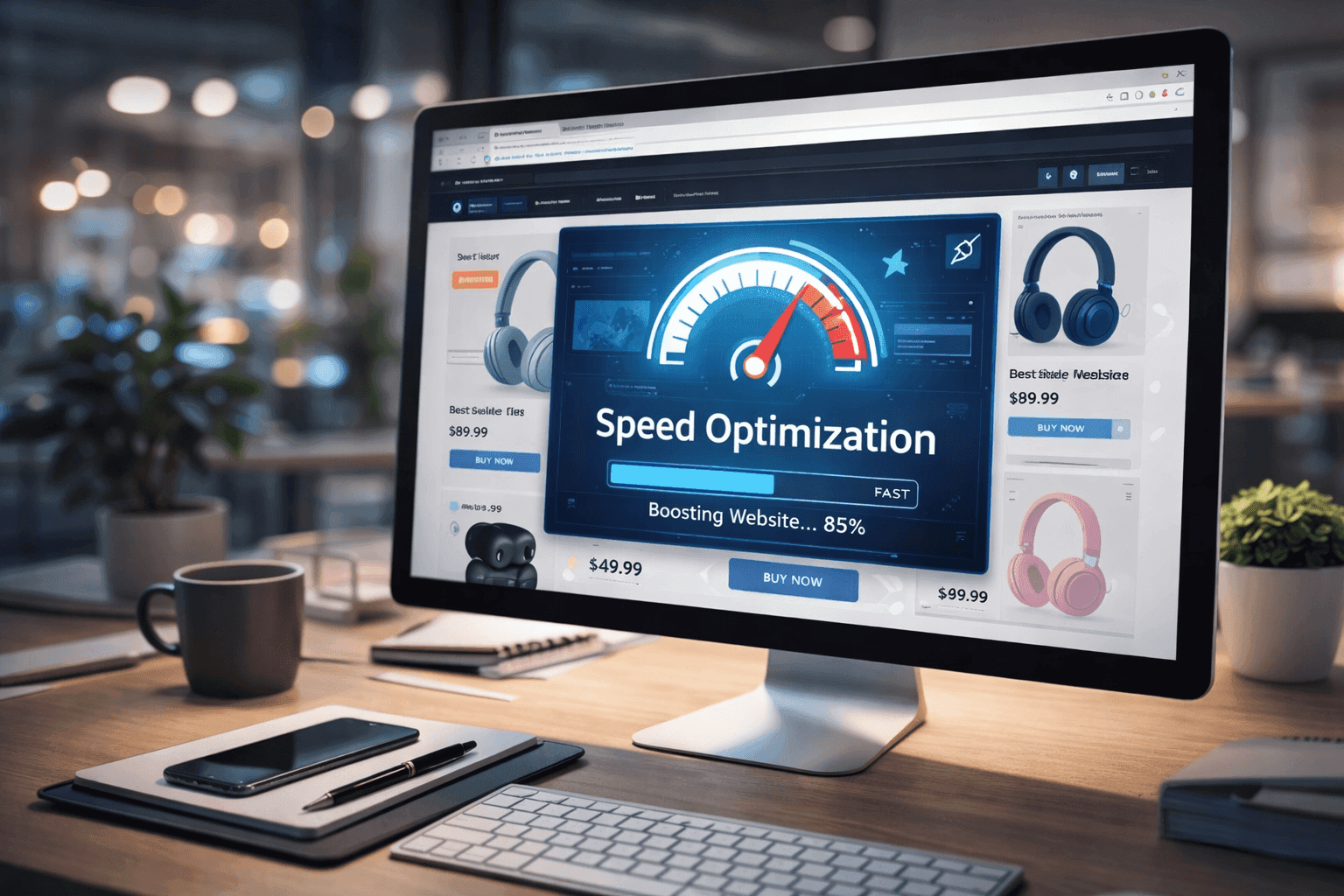
Speed plays a critical role in the success of any ecommerce website. Users today expect pages to load instantly, and even a small delay can lead to frustration and drop-offs. When a website is slow, users leave before exploring products, which directly impacts conversions and revenue.
Ecommerce website speed optimization is not just a technical improvement. It is a business strategy that influences user experience, search rankings, and overall performance. Modern web development services focus on building fast, responsive platforms that keep users engaged and encourage them to complete purchases.
Understanding how speed affects ecommerce performance helps businesses create websites that deliver better results.
Why Speed Matters in Ecommerce
Website speed directly impacts how users interact with your platform. A slow website creates friction at every step, from browsing products to completing checkout.
When users experience delays, they lose interest and move to competitors. This behavior increases bounce rates and reduces engagement. A fast website, on the other hand, creates a smooth experience that keeps users exploring.
A professional web development agency ensures that performance is built into the foundation of the website. Speed optimization improves not only user satisfaction but also search engine rankings, making it easier for businesses to attract organic traffic.
How Speed Affects Conversions and Revenue
Speed has a direct connection to conversions. The faster a website loads, the higher the chances of users completing their purchases.
A reliable web development company focuses on reducing delays across all stages of the user journey. From product pages to checkout, every second matters.
Studies consistently show that even a one-second delay can lead to a significant drop in conversions. Faster websites create trust, improve engagement, and increase the likelihood of repeat purchases.
In ecommerce, performance is not just about technology it is about revenue.
Optimizing Images and Media Files
Images are essential for ecommerce websites, but they can also slow down performance if not optimized properly. High-quality visuals should not come at the cost of speed.
Modern web development technologies help compress and optimize images without reducing quality.
Best practices include:
- Use compressed image formats like WebP
- Implement lazy loading for images
- Resize images based on screen size
- Avoid unnecessary large media files
Optimized media ensures faster loading while maintaining visual appeal.
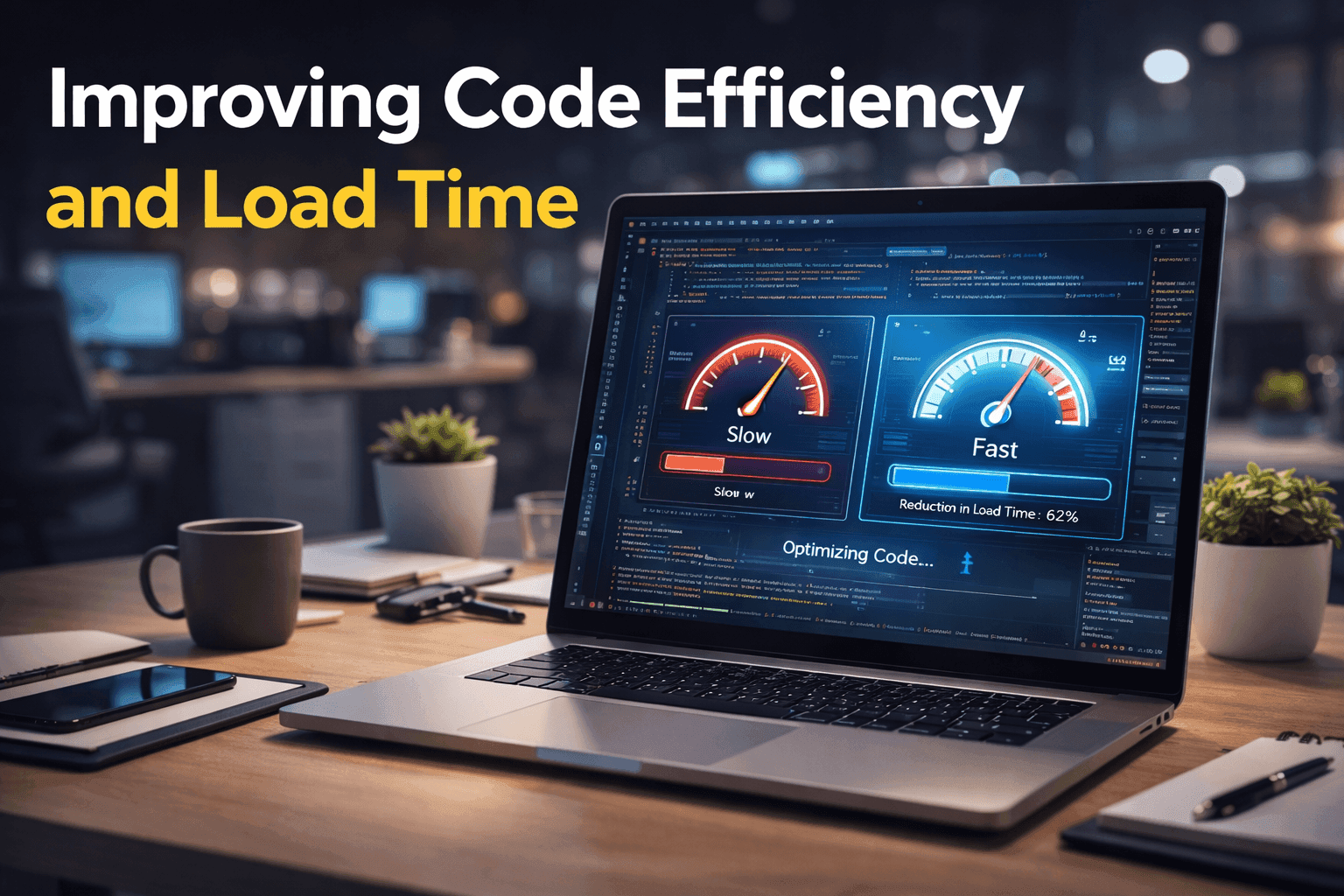
Improving Code Efficiency and Load Time
The structure of your website’s code plays a major role in speed. Clean and efficient coding helps reduce loading time and improve performance.
A professional web development agency focuses on writing optimized code that minimizes delays and improves responsiveness.
Reducing unnecessary scripts, removing unused code, and combining files can significantly improve speed. Efficient coding ensures that the website performs well across different devices and browsers.
Using Caching and Content Delivery Networks
Caching and content delivery networks (CDNs) are essential tools for improving website speed. They help deliver content faster by reducing the distance between users and servers.
Effective web development services implement caching strategies that store frequently accessed data, allowing pages to load quickly.
Key benefits include:
- Faster content delivery across locations
- Reduced server load
- Improved website performance
- Better user experience
CDNs ensure that users experience consistent speed regardless of their location.
Optimizing Server and Hosting Performance
The performance of your hosting environment has a direct impact on website speed. A slow server can affect even the most well-designed website.
A reliable web development company selects hosting solutions that provide high performance, scalability, and reliability.
Using cloud-based hosting, optimizing server configurations, and ensuring proper resource allocation can significantly improve loading times. Strong server performance supports smooth and uninterrupted user experiences.
Reducing Third-Party Dependencies
Many ecommerce websites rely on third-party tools such as plugins, scripts, and integrations. While these tools add functionality, they can also slow down performance if not managed properly.
Modern web development technologies focus on minimizing unnecessary dependencies. Reducing the number of external scripts and optimizing integrations helps improve speed.
Best practices include:
- Limit the use of heavy plugins
- Load scripts only when necessary
- Monitor third-party performance impact
- Replace slow tools with optimized alternatives
Managing dependencies ensures that additional features do not compromise speed.
Mobile Speed Optimization
With a large number of users shopping on mobile devices, optimizing speed for mobile is essential. Mobile users often experience slower networks, making performance even more critical.
Responsive design combined with speed optimization ensures that the website performs well on all devices. Simplifying layouts, reducing heavy elements, and optimizing content for mobile improves usability.
A mobile-optimized website not only enhances user experience but also improves search engine rankings.
Continuous Monitoring and Improvement
Speed optimization is not a one-time process. Websites need continuous monitoring to maintain performance and adapt to changing user behavior.
A professional web development agency uses analytics and performance tools to track speed and identify issues. Regular audits help ensure that the website remains fast and efficient.
Continuous improvement allows businesses to stay competitive and deliver consistent user experiences over time.
Closing Thought
Speed defines how users experience your website.
It influences every interaction, from browsing to buying.
When performance is optimized, your ecommerce platform becomes faster, smoother, and more effective.
"In ecommerce, speed is not just a feature it is the difference between a visit and a conversion."