

Enterprise Digital Marketing: How Large Brands Scale Multi-Channel Growth

Enterprise brands do not grow through one campaign or one platform. They grow through connected systems.
Large companies often manage multiple products, markets, regions, teams, customer segments, and digital channels at the same time. This makes marketing more complex. A single SEO campaign, paid ad strategy, or social media plan is not enough.
Enterprise digital marketing needs structure, coordination, data, governance, and performance tracking. When these parts work together, large brands can scale visibility, demand, lead generation, customer engagement, and revenue across several channels.
What Is Enterprise Digital Marketing?
Enterprise digital marketing is a large-scale approach to online growth for established companies, multi-location brands, global businesses, and organizations with complex marketing needs.
It includes SEO, paid media, content marketing, social media, email automation, conversion optimization, analytics, CRM integration, reputation management, and marketing technology.
The goal is not only to run campaigns. The goal is to build a connected growth system that supports different business units, customer types, and markets.
For enterprise brands, consistency and scalability matter as much as creativity.
Why Enterprise Marketing Is More Complex
Large brands usually deal with more moving parts than small businesses or startups.
They may have several departments, regional teams, product lines, legal approvals, brand guidelines, and reporting layers. Marketing decisions often affect many stakeholders.
Common enterprise challenges include:
• Multiple teams working across different channels
• Inconsistent brand messaging
• Large websites with technical SEO issues
• Complex customer journeys
• Long approval cycles
• Fragmented data
• Different regional priorities
• High competition in search and paid media
• Difficulty measuring true ROI
This is why enterprise marketing needs a clear operating model.
Build a Unified Multi-Channel Strategy
Enterprise growth works best when every channel has a defined role.
SEO builds long-term search visibility. Paid media creates faster demand. Social media supports brand trust and engagement. Email nurtures customers and prospects. Content educates audiences. CRO improves conversions. Analytics connects results.
A business using Digital Marketing Services in Miami can scale better when these channels are not managed separately, but planned as one connected system with shared goals.
The strategy should define:
• Target audiences
• Priority markets
• Core services or products
• Channel responsibilities
• Content themes
• Campaign timelines
• KPIs
• Reporting structure
This keeps large teams aligned.
Use Enterprise SEO for Long-Term Visibility
Enterprise websites often have hundreds or thousands of pages. This creates both opportunity and risk.
A well-optimized enterprise website can rank for many keywords across services, products, locations, and industries. But technical problems can also hurt performance at scale.
Enterprise SEO should focus on:
• Technical SEO audits
• Site architecture
• Crawlability and indexation
• Internal linking
• Content optimization
• Duplicate content control
• Page speed
• Schema markup
• Location page strategy
• Product or service page improvement
• Topic cluster development
SEO for enterprise brands is not a one-time activity. It needs ongoing monitoring and improvement.
Scale Content With Strong Governance
Content is important for enterprise visibility and trust. But large-scale content can become messy without proper governance.
Different teams may create blogs, landing pages, social posts, emails, reports, and sales materials. Without guidelines, the tone and message may become inconsistent.
Enterprise content governance should include:
• Brand tone guidelines
• SEO keyword mapping
• Approval workflows
• Content calendars
• Topic cluster planning
• Internal linking rules
• Editorial quality checks
• Compliance review where needed
• Content performance tracking
This helps the brand publish at scale without losing quality.
Use Paid Media for Faster Market Reach
Paid media helps enterprise brands reach large audiences quickly.
Google Ads, Meta Ads, LinkedIn Ads, YouTube Ads, programmatic display, and remarketing campaigns can support awareness, lead generation, product launches, recruitment, and sales growth.
Enterprise paid media needs careful budget control.
Campaigns should be structured by market, product, audience, funnel stage, and goal. This prevents budget waste and gives better reporting clarity.
Paid media should track not only clicks and impressions, but also qualified leads, sales opportunities, revenue influence, and customer acquisition cost.
Align Social Media With Brand and Performance
For enterprise brands, social media has two roles. It builds brand presence and supports measurable engagement.
A large brand may use LinkedIn for B2B authority, Instagram for visual storytelling, YouTube for education, X for updates, and Meta for customer engagement or paid campaigns.
Social media should not run in isolation. It should support campaigns, content themes, events, PR, recruitment, customer communication, and lead generation.
Strong enterprise social media includes:
• Consistent brand voice
• Platform-specific content
• Leadership visibility
• Customer stories
• Campaign amplification
• Community engagement
• Paid social support
• Performance reporting
The goal is to create trust and relevance at scale.
Use Marketing Automation for Better Nurturing
Enterprise brands often have large lead databases and customer segments.
Manual follow-up is not enough. Marketing automation helps manage communication across different stages of the customer journey.
Automation can support:
• Welcome sequences
• Lead nurturing
• Product education
• Event follow-ups
• Abandoned cart recovery
• Re-engagement campaigns
• Customer onboarding
• Renewal reminders
• Cross-sell and upsell campaigns
Automation should feel relevant, not robotic. Segmentation and personalization are important.
The message should match the user’s interest, behavior, industry, region, or lifecycle stage.
Connect CRM and Analytics
Enterprise marketing needs strong data visibility.
Without connected analytics, teams may not know which campaigns are truly driving growth. One channel may create awareness. Another may generate the lead. A third may influence conversion.
CRM and analytics integration helps connect the full journey.
Track metrics such as:
• Lead source
• Campaign influence
• Cost per qualified lead
• Sales pipeline value
• Conversion rate
• Customer acquisition cost
• Customer lifetime value
• Revenue by channel
• Market-level performance
• Content-assisted conversions
This helps leadership make better budget decisions.
Improve Conversion Across Digital Touchpoints
Traffic alone does not create enterprise growth.
Large brands must optimize every conversion point, including landing pages, product pages, service pages, forms, CTAs, checkout journeys, demo pages, and contact flows.
Conversion optimization should focus on:
• Clear messaging
• Strong trust signals
• Fast page speed
• Mobile experience
• Simple forms
• Relevant CTAs
• A/B testing
• Personalization
• Better navigation
• User journey improvements
Even small conversion gains can create major revenue impact at enterprise scale.
Personalization Helps Large Brands Stay Relevant
Enterprise brands often serve different audiences. A single message may not work for everyone.
Personalization helps users see content, offers, and recommendations that match their needs.
Personalization can be based on:
• Location
• Industry
• Product interest
• Customer type
• Buying stage
• Website behavior
• Email engagement
• Past purchase history
For example, a healthcare audience may need trust and compliance-focused messaging, while a technology audience may need innovation and performance-focused messaging.
Relevant experiences improve engagement and conversion.
Manage Reputation Across Channels
Large brands are highly visible, which makes reputation management important.
Customers may review the business on Google, social media, industry platforms, app stores, marketplaces, and forums. These signals can affect trust and conversion.
Enterprise reputation management should include:
• Review monitoring
• Response management
• Social listening
• Brand mention tracking
• Customer feedback analysis
• Crisis communication planning
• Testimonial collection
• Sentiment reporting
A strong reputation supports every marketing channel.
Keep Teams Aligned With Clear Reporting
Enterprise marketing involves many stakeholders. Clear reporting keeps everyone aligned.
Reports should not only show activity. They should show business impact.
A good enterprise report should include:
• Channel performance
• Campaign outcomes
• Lead quality
• Revenue contribution
• SEO growth
• Paid media efficiency
• Content performance
• Conversion improvements
• Market-level insights
• Next actions
This helps leadership see what is working and where investment should increase.
Common Enterprise Digital Marketing Mistakes
Large brands can lose efficiency when marketing becomes fragmented.
Common mistakes include:
• Running channels separately
• Creating content without SEO mapping
• Poor technical SEO maintenance
• Weak CRM integration
• Inconsistent messaging across regions
• Tracking only vanity metrics
• Slow approval processes
• Not testing landing pages
• Ignoring lead quality
• Scaling campaigns without governance
These gaps can reduce ROI even when budgets are high.
Final Thoughts
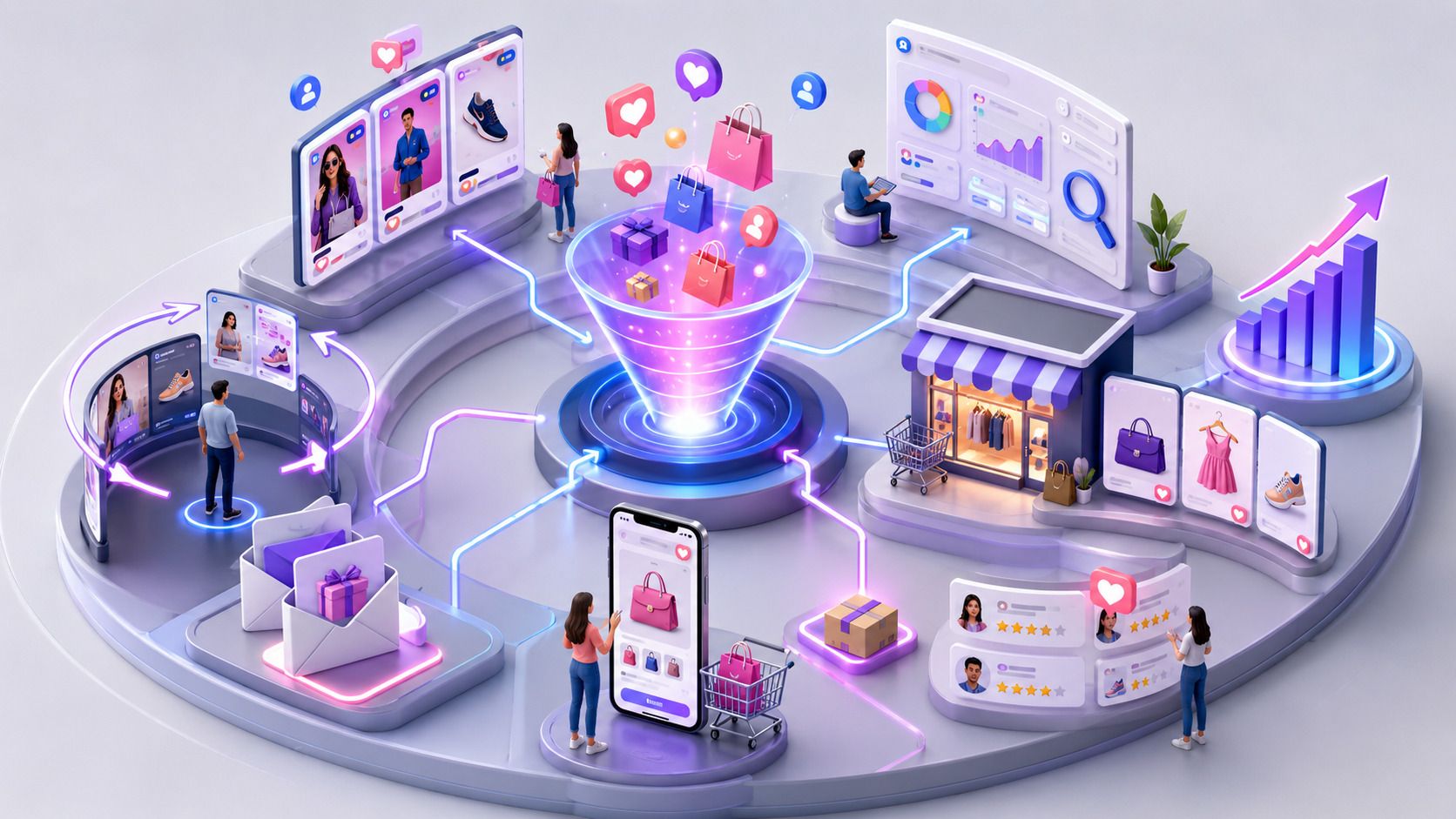
Enterprise digital marketing is about building a connected growth system across channels, teams, data, and customer journeys.
Large brands need SEO for long-term visibility, paid media for faster reach, content for trust, social media for engagement, automation for nurturing, analytics for decision-making, and CRO for better conversions.
The strongest enterprise strategies do not treat each channel as a separate activity. They connect every digital touchpoint to a shared business goal.
When strategy, execution, governance, and reporting work together, enterprise brands can scale multi-channel growth with stronger control, better efficiency, and measurable business impact.
"“Enterprise growth needs more than campaign activity. It needs connected channels, unified data, strong governance, and a clear performance system.”"