

How B2B Brands Can Generate High-Quality Leads Online
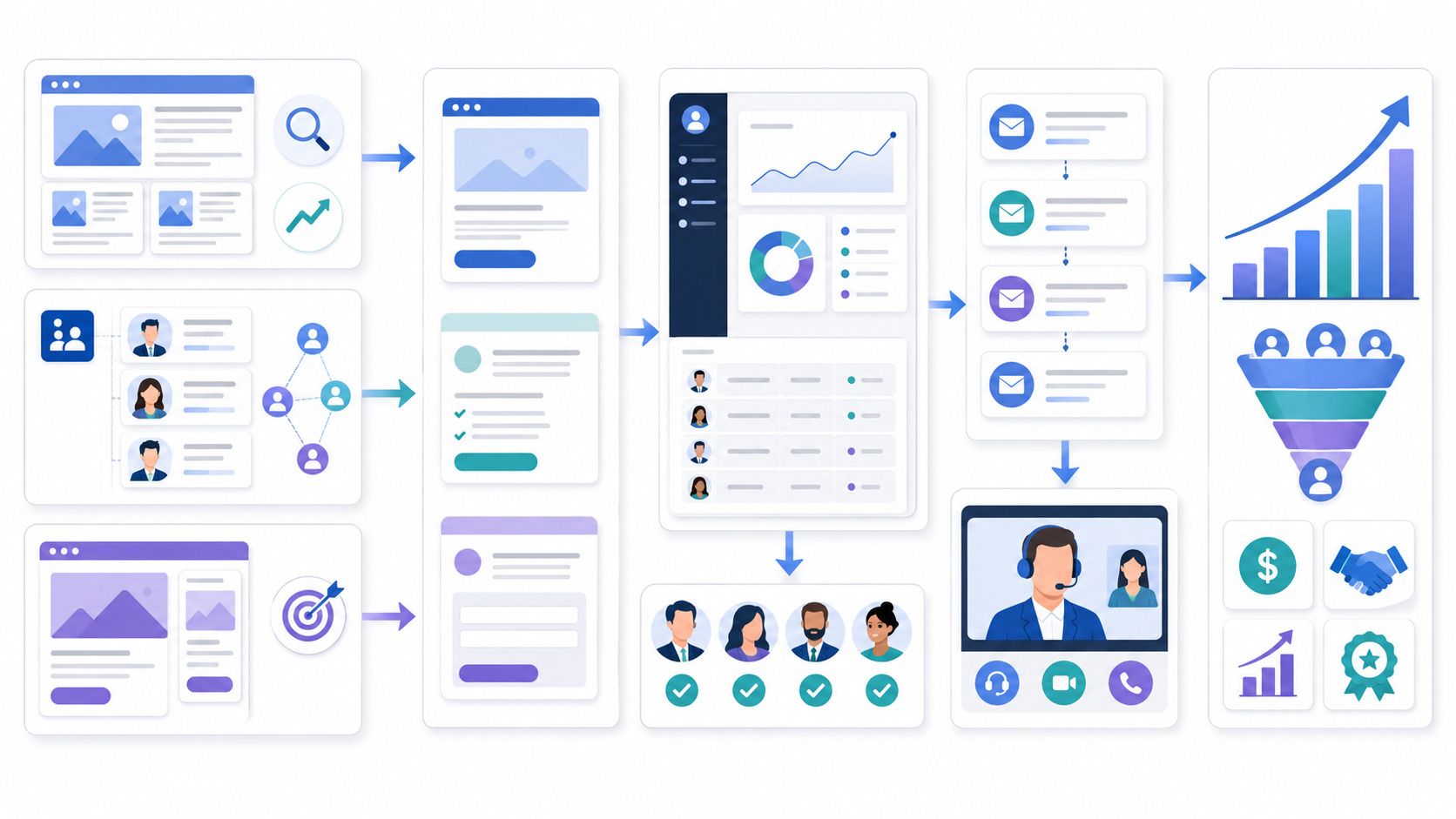
B2B lead generation is not only about getting more enquiries. It is about attracting the right companies, the right decision-makers, and the right level of intent.
A hundred weak leads can waste more time than ten serious prospects. Sales teams spend hours calling people who are not ready, not relevant, or not a good fit. This is why B2B brands need a lead generation strategy focused on quality, not just volume.
Online channels can bring strong B2B leads when the strategy is built around search intent, trust, targeting, useful content, and proper follow-up.
What Makes a B2B Lead High Quality?
A high-quality B2B lead is a prospect that matches your ideal customer profile and has a real business need.
This lead may not always convert immediately, but it should have a clear fit with your service, budget range, industry, location, company size, or decision-making stage.
A good B2B lead usually has:
• A relevant business problem
• Clear interest in your solution
• Decision-making power or influence
• Suitable budget potential
• Valid contact details
• A realistic buying timeline
• Strong fit with your target audience
Quality matters because B2B sales cycles are often longer. Every lead needs time, follow-up, and sales attention. Poor-fit leads increase cost and reduce team productivity.
Start With the Right Ideal Customer Profile
Before running campaigns, B2B brands need to define who they want to attract.
An ideal customer profile helps marketing and sales teams focus on the most valuable prospects. Without this clarity, campaigns become too broad and lead quality drops.
Your profile should include:
• Target industries
• Company size
• Locations
• Revenue range
• Job titles
• Pain points
• Buying triggers
• Common objections
• Decision-making process
For example, a SaaS company may target founders, marketing heads, or operations leaders in mid-sized businesses. A consulting firm may target enterprise decision-makers in specific industries.
Clear targeting improves every part of lead generation.
Use SEO to Capture High-Intent Searches
B2B buyers search online before contacting a company. They look for service providers, solutions, comparisons, pricing factors, implementation guides, and expert advice.
SEO helps your brand appear during this research stage.
A strong SEO strategy should include service pages, industry pages, comparison content, blogs, case studies, and local pages. Each page should answer a specific buyer need.
For example, a business offering Digital Marketing Services in Seattle can use SEO to attract companies searching for marketing support, lead generation strategies, SEO services, paid advertising, and conversion improvement.
When SEO content matches user intent, it brings leads that are already looking for help.
Build Trust With Educational Content
B2B buyers do not want only sales messages. They want clarity before making a decision.
Educational content helps prospects understand their problems and evaluate possible solutions. It also positions your brand as a helpful expert.
Useful B2B content includes:
• Blog articles
• Whitepapers
• Case studies
• Industry guides
• Checklists
• Webinars
• Explainer videos
• Comparison pages
• FAQ resources
The goal is to answer real questions your buyers ask during the sales process.
For example, content around “how to reduce cost per lead,” “how to choose a marketing partner,” or “SEO vs paid ads for B2B growth” can attract serious prospects and support sales conversations.
Use LinkedIn for Decision-Maker Targeting
LinkedIn is one of the strongest platforms for B2B lead generation.
It allows brands to reach people by job title, industry, company size, seniority, location, and professional interest. This makes it useful for reaching founders, CXOs, directors, managers, and department heads.
B2B brands can use LinkedIn for:
• Thought leadership posts
• Sponsored content
• Lead generation forms
• Webinar promotion
• Case study campaigns
• Account-based marketing
• Founder-led content
• Retargeting engaged users
LinkedIn works best when the message is helpful and specific. Broad promotional ads often perform poorly. Content that speaks to a clear business problem usually gets better engagement.
Create Landing Pages That Qualify Leads
A landing page should not only collect enquiries. It should help filter the right enquiries.
For B2B campaigns, a strong landing page must explain the service clearly, show proof, answer doubts, and guide serious prospects toward action.
A good B2B landing page should include:
• Clear headline
• Specific business problem
• Service benefits
• Process overview
• Case studies or proof points
• Client logos or trust signals
• Short but useful form
• Strong call-to-action
• Mobile-friendly layout
The form can include one or two qualification questions, such as budget range, company size, service requirement, or timeline. This improves lead quality without making the form too difficult.
Use Paid Ads With Clear Intent
Paid ads can generate B2B leads quickly, but only when the targeting and message are strong.
Google Ads works well for high-intent searches. These users are already looking for a solution. LinkedIn Ads work well for role-based targeting and account-level awareness. Meta Ads can support remarketing, content promotion, and broader awareness.
Paid campaigns should not always push cold users directly into a sales call. Some prospects need education first.
A better approach is to use different offers for different stages:
Awareness Stage
Promote blogs, guides, videos, or reports.
Consideration Stage
Promote case studies, webinars, comparison pages, or checklists.
Decision Stage
Promote consultations, demos, audits, or proposal requests.
This gives users the right next step based on their readiness.

Use Retargeting to Reconnect With Warm Prospects
Many B2B buyers visit a website and leave without enquiring. That does not mean they are not interested.
Retargeting helps bring them back.
You can retarget people who visited service pages, read blogs, watched videos, clicked ads, opened lead forms, or engaged with LinkedIn posts.
Retargeting ads can show:
• Case studies
• Testimonials
• Consultation offers
• Service explainers
• Industry-specific proof
• Webinar invites
• Comparison content
Warm audiences often convert better because they already know your brand.
Offer Lead Magnets With Real Value
Lead magnets can help capture prospects who are interested but not ready for a sales call.
A lead magnet gives users something useful in exchange for their contact details.
Good B2B lead magnets include:
• Industry reports
• ROI calculators
• Audit checklists
• Strategy templates
• Buying guides
• Webinars
• Diagnostic assessments
• Benchmark reports
The lead magnet should attract the right audience. Avoid generic downloads that bring low-quality contacts.
For example, a “B2B Lead Quality Checklist” may attract better prospects than a broad “Marketing Tips PDF.”
Nurture Leads With Email and CRM Workflows
Not every lead is ready to buy immediately.
B2B buyers may need weeks or months before making a decision. Lead nurturing helps your brand stay connected during that period.
Email workflows can share useful content, case studies, service explainers, testimonials, and consultation reminders.
CRM tracking helps sales teams see where each lead came from, what content they viewed, and how ready they may be.
Good nurturing builds trust without pressuring the prospect too early.
Align Marketing and Sales Teams
High-quality lead generation needs strong coordination between marketing and sales.
Marketing may bring leads, but sales teams know which leads actually convert. Their feedback helps improve campaigns.
Both teams should agree on:
• What counts as a qualified lead
• Which industries matter most
• What budget range is suitable
• Which job titles are priority targets
• What questions should be in the form
• How quickly leads should be contacted
• What objections need content support
When marketing and sales work together, lead quality improves.
Track the Right Metrics
Many B2B brands track only lead volume. That is not enough.
To understand lead quality, track deeper metrics.
Important B2B lead generation metrics include:
• Cost per qualified lead
• Lead-to-meeting rate
• Meeting-to-proposal rate
• Proposal-to-client rate
• Sales cycle length
• Lead source quality
• Revenue by channel
• Customer acquisition cost
• Lifetime value
These metrics show which channels bring real business value, not just form submissions.
Final Thoughts
B2B brands can generate high-quality leads online by building a strategy around intent, trust, targeting, and nurturing.
SEO captures buyers who are actively researching. Content builds authority. LinkedIn reaches decision-makers. Paid ads create faster visibility. Landing pages convert and qualify prospects. Retargeting brings warm users back. Email and CRM workflows help move leads through long sales cycles.
The strongest B2B lead generation systems are not built around one channel. They connect multiple touchpoints into one clear journey.
When every part works together, businesses attract better prospects, improve sales conversations, and build a stronger online pipeline.
"“High-quality B2B leads come from the right mix of intent, trust, targeting, content, and timely follow-up.”"