

How Blog Content Helps Build Topical Authority and Search Rankings
Search rankings are no longer built only by adding keywords to a website. Google now looks at how deeply a business covers a topic, how useful the content is, and how clearly the website proves expertise.
This is where blog content becomes powerful.
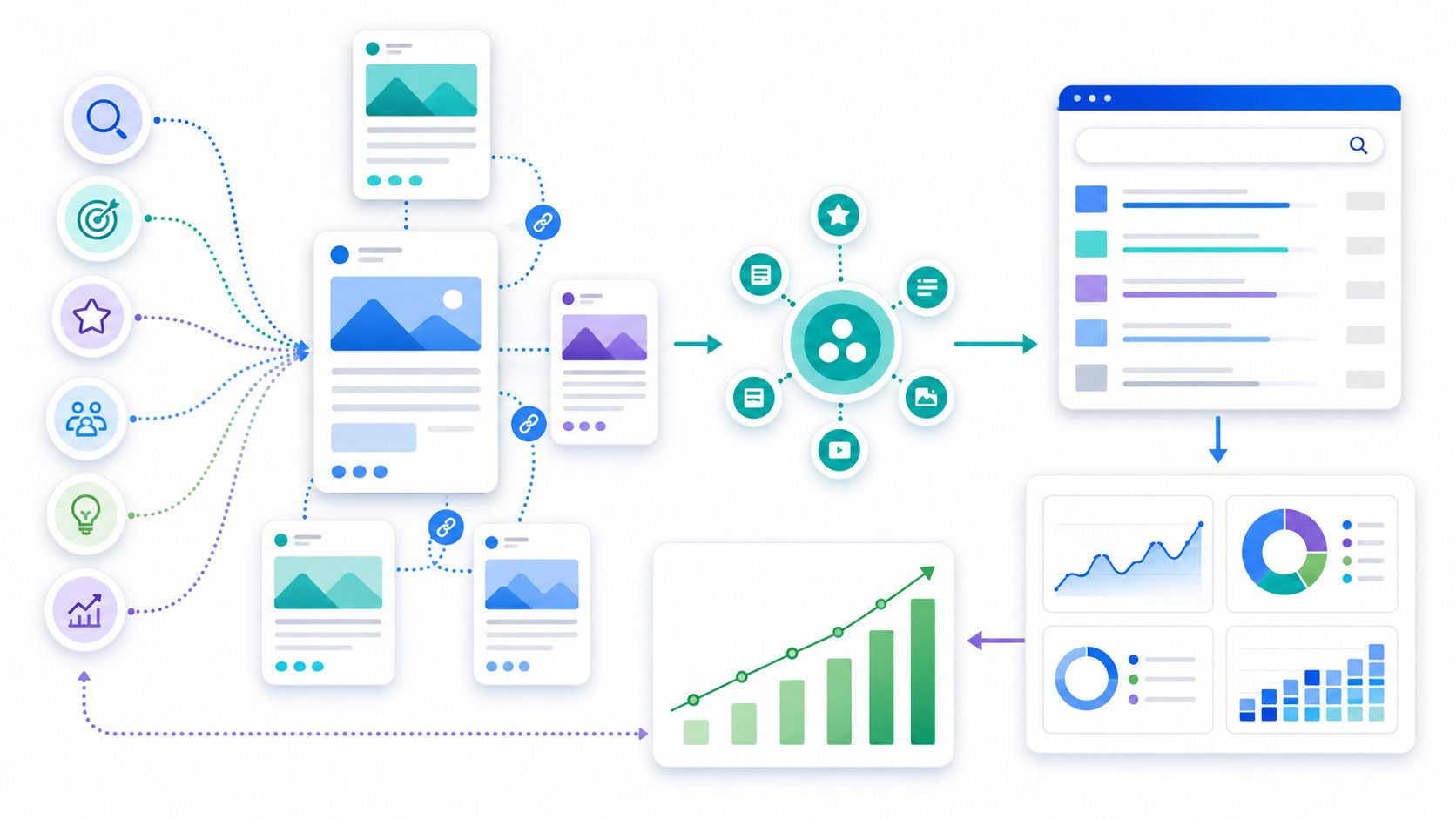
A strong blog strategy helps your website answer real customer questions, cover related topics, support service pages, and build trust over time. It also helps search engines understand what your business is known for.
For service-based brands, blog content is not just a traffic tool. It is a long-term SEO asset.
What Is Topical Authority?
Topical authority means your website is seen as a trusted source for a specific subject.
For example, a digital marketing brand should not only have one service page about SEO or paid ads. It should also have blogs explaining SEO strategies, content marketing, Google Ads, social media marketing, lead generation, conversion tracking, and digital growth.
When many useful pages support one main topic, search engines get a clearer signal. They can understand that your website has depth, relevance, and expertise in that area.
This can help improve rankings across both blog pages and service pages.
Why Blog Content Matters for SEO
Blog content helps your website cover search intent in detail.
Not every user searches with the same goal. Some people want information. Some are comparing options. Some are ready to hire a service provider.
A service page usually targets commercial intent. A blog can target informational and research-based queries.
For example, someone may search:
• What is digital marketing?
• How does SEO improve business growth?
• Content marketing vs advertising
• Why is website traffic not converting?
• How to choose a digital marketing agency?
Each of these searches can become a blog topic. When your website answers them well, it attracts users earlier in the buying journey.
This builds trust before they reach your service page.
Blog Content Supports Service Pages
One of the biggest benefits of blogging is internal linking.
A blog can guide readers toward relevant service pages. This helps users take the next step and also helps search engines understand the relationship between your content.
For example, a blog about SEO mistakes can link to an SEO service page. A blog about paid advertising ROI can link to a PPC service page. A blog about full-funnel marketing can link to a digital marketing service page.
This creates a connected content structure.
A strong blog strategy can support a Digital Marketing Company in Dallas by improving visibility for both local service keywords and broader digital marketing topics.
Topic Clusters Make Your Website Stronger
A topic cluster is a group of related content pages built around one main subject.
The main page is usually a pillar page or service page. The supporting blogs explain smaller subtopics in more detail.
For example, a digital marketing topic cluster may include:
• What is digital marketing?
• Benefits of digital marketing for small businesses
• SEO vs PPC
• Content marketing strategy
• Social media marketing for lead generation
• Email marketing automation
• Website conversion optimization
• Analytics and campaign tracking
Each blog supports the main digital marketing page. This helps search engines see the website as more complete and useful.
Topic clusters also improve user experience because visitors can move from one useful article to another.
Blogs Help Capture Long-Tail Keywords
Long-tail keywords are longer and more specific search terms.
They may have lower search volume, but they often bring better quality traffic. These users usually know what they are looking for.
For example, instead of searching “digital marketing,” a user may search “how digital marketing helps local businesses get leads.”
This type of query is easier to answer through a blog than a service page.
Long-tail blog topics help your website reach people with specific problems. These users may not convert immediately, but they can return later when they need a service.
Over time, this increases brand visibility and organic reach.
Blog Content Builds Trust Before Conversion
Most users do not contact a business after one search.
They read, compare, check reviews, visit social media, and explore service pages. Blog content helps during this research stage.
A helpful blog gives users confidence that your business understands their challenges. It shows your thinking, experience, and approach.
Good blog content can answer questions such as:
• What problem does the user face?
• Why does this problem happen?
• What options are available?
• What should the user avoid?
• When should they ask for expert help?
This makes your brand more credible.
Trust is especially important for services like digital marketing, web development, SEO, PPC, and branding. Businesses want to work with teams that can explain strategy clearly.
Consistent Blogging Improves Crawl Depth
Search engines crawl websites to understand pages and relationships.
When a website regularly publishes useful content, it gives search engines more pages to discover, index, and rank. Internal links from blogs also help search engines find important service pages.
This does not mean publishing random content every week.
Quality matters more than volume.
A smaller number of well-planned blogs can perform better than many thin articles. Each blog should have a clear purpose, target intent, and connection to your service offering.
Blogs Improve Search Rankings Over Time
Blog content can take time to rank, but the results can last longer than paid ads.
A well-written blog may continue attracting traffic for months or years. As it gains impressions, clicks, backlinks, and engagement, its value can grow.
Blogs can also rank for multiple related search terms, not just one keyword.
For example, one article about content marketing ROI may rank for searches related to content strategy, organic traffic, blogging benefits, lead generation, and long-term marketing returns.
This makes blog content valuable for long-term SEO growth.

What Makes a Blog SEO-Friendly?
An SEO-friendly blog is useful first and optimized second.
It should not feel like a keyword-stuffed article. It should answer the topic clearly and guide the reader naturally.
A strong blog usually includes:
• A clear title
• Short introduction
• Proper H2 and H3 headings
• Simple explanations
• Relevant examples
• Natural keyword placement
• Internal links
• Helpful conclusion
• FAQ section when needed
Readability also matters. Short paragraphs, simple words, and clear structure make content easier to read.
When users stay longer and find value, your content has a better chance of performing well.
Blog Content Also Supports AI Search Visibility
Search behavior is changing. People now use AI tools, answer engines, and voice search to find information.
These systems often prefer clear, structured, helpful content.
Blogs that answer questions directly, explain concepts well, and cover topics in depth have a better chance of being understood by search engines and AI-driven platforms.
This makes blog content useful not only for traditional SEO, but also for future search visibility.
How Businesses Should Plan Blog Topics
Blog topics should come from real customer questions, search data, sales conversations, and service priorities.
Start by identifying your main service categories. Then create supporting blog topics for each one.
For example:
SEO Topics
Write about ranking factors, technical SEO, local SEO, content optimization, and search intent.
Paid Advertising Topics
Cover Google Ads, Meta Ads, LinkedIn Ads, remarketing, cost per lead, and ad creative strategy.
Content Marketing Topics
Explain blogs, landing pages, topic clusters, content calendars, and lead nurturing.
Website and Conversion Topics
Write about landing page design, website speed, UX, forms, and conversion tracking.
This keeps the blog strategy aligned with business goals.
Final Thoughts
Blog content helps build topical authority because it gives your website depth, structure, and relevance.
It helps search engines understand your expertise. It helps users trust your brand. It supports service pages, captures long-tail keywords, improves internal linking, and creates long-term organic visibility.
A strong blog is not just a content piece. It is part of a larger digital marketing system.
Businesses that publish useful, well-planned blogs can build stronger authority, improve rankings, and attract better quality leads over time.
"Strong blog content does more than bring traffic. It helps search engines understand your expertise and helps customers trust your brand."