

How Social Media Builds Brand Trust and Customer Engagement
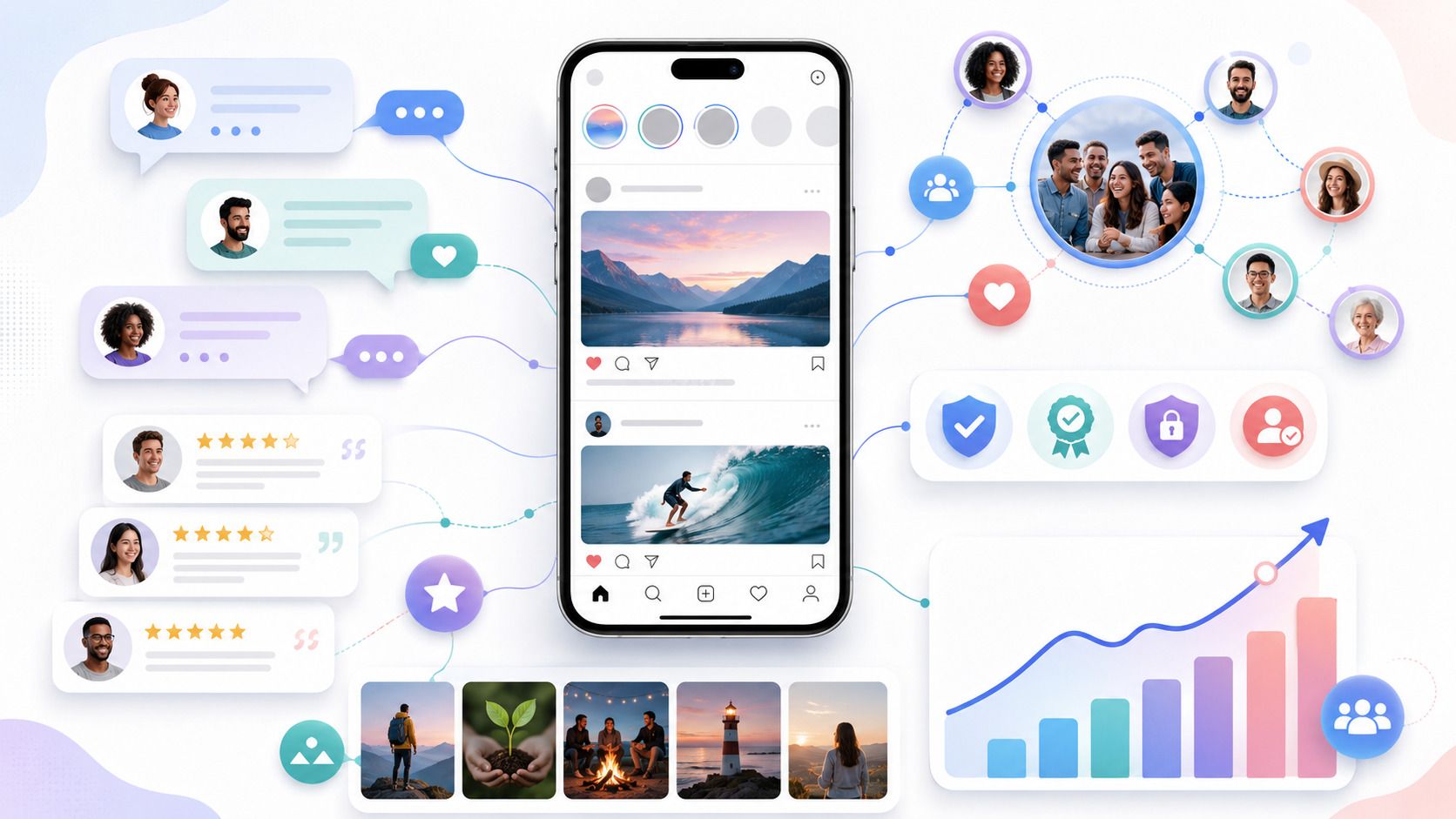
Customers rarely trust a business after seeing one post or one ad. They watch how a brand communicates, how often it shows up, what kind of value it shares, and how it responds to people.
This is why social media has become more than a visibility channel. It is now a trust-building space.
For many customers, social media is where they first notice a brand, understand its personality, read comments, check reviews, and decide if the business feels reliable. When handled with care, social media can build stronger customer engagement and support real business growth.
Why Trust Matters in Social Media Marketing
Trust is one of the biggest reasons people choose one brand over another.
Customers want to know that a business is active, responsive, and honest. They want to see proof that other people have had a good experience. They also want clear answers before making an enquiry.
Social media helps create this confidence through regular communication. A business that shares helpful posts, responds to comments, and shows real work feels more dependable than one that only posts sales messages.
Trust grows through consistency.
Social Media Makes a Brand Feel Human
People connect better with brands that feel real.
Social media allows businesses to show more than products or services. They can show their team, process, customer stories, workplace culture, daily updates, and behind-the-scenes moments.
This makes the brand feel more personal.
For example, a service business can share how a campaign is planned, how a project is delivered, or how a customer challenge was solved. These updates help people understand the effort behind the service.
A human brand is easier to trust than a silent one.
Helpful Content Builds Credibility
Customers engage with content that helps them make better decisions.
Educational posts, short tips, explainer videos, FAQs, checklists, case studies, and industry insights all build credibility. They show that the business understands its field and can guide customers properly.
A Digital Marketing Company in Austin can use social media to explain topics like SEO, paid ads, website performance, content strategy, and lead generation in a simple way. This helps local businesses understand marketing better before they speak to a team.
When a brand teaches before it sells, people pay more attention.
Consistency Creates Brand Recall
A single post may not create trust. But consistent posting builds familiarity.
When customers see your brand often, they begin to remember your name, visuals, message, and expertise. Over time, this creates brand recall.
Consistency does not mean posting random content every day. It means showing up with a clear purpose.
A good social media calendar should include:
• Educational posts
• Customer stories
• Service explanations
• Behind-the-scenes updates
• Testimonials
• Industry insights
• Offers or CTAs
• Engagement posts
This mix keeps the brand visible without making every post feel promotional.
Customer Engagement Builds Stronger Relationships
Engagement is not only about likes. Real engagement happens when people comment, ask questions, save posts, share content, send messages, or visit your website.
Every interaction is a chance to build a relationship.
When a business replies to comments, answers questions, and acknowledges feedback, customers feel heard. This increases comfort and trust.
Even small actions matter. A quick response to a message can turn interest into an enquiry. A helpful reply to a comment can show other users that the brand cares.
Social Proof Strengthens Trust
People trust what other customers say.
Social media is a strong place to share social proof. This can include testimonials, reviews, client results, case studies, user-generated content, and customer feedback.
Social proof shows that real people have experienced value from your business.
For service-based brands, this is especially important. Customers want to know if your team can deliver what you promise. A short testimonial or result-focused post can reduce doubt and make people more confident.
Proof works better than repeated claims.
Transparency Improves Confidence
Customers appreciate clear and honest communication.
Social media gives brands a space to explain processes, timelines, pricing factors, service expectations, and common questions. This reduces confusion before the customer reaches out.
For example, a marketing agency can explain how long SEO takes, what affects ad cost, why tracking matters, or how landing pages improve conversions.
When businesses explain things clearly, they build realistic expectations. This improves the quality of enquiries and reduces misunderstandings.

Video Content Builds Faster Connection
Video often creates stronger engagement because it feels personal.
Short videos, reels, founder messages, customer stories, product demos, and team introductions help people see the faces behind the brand.
Video also makes complex topics easier to understand.
A simple 30-second video explaining a service can often perform better than a long written post. It gives the audience a quicker way to connect and learn.
For trust-building, video content can be powerful because it feels direct and authentic.
Community Interaction Makes the Brand Stronger
Social media works best when it is treated as a two-way conversation.
Many brands post content but do not engage with their audience. This limits growth.
Community interaction includes replying to comments, responding to messages, asking questions, running polls, resharing customer content, and joining relevant conversations.
This helps the audience feel involved.
When people feel part of a brand’s community, they are more likely to stay engaged, recommend the brand, and return when they need a service.
Social Media Supports the Buying Journey
Customers do not always convert immediately.
They may follow your page for weeks or months before contacting you. During this time, your posts help shape their opinion of your business.
A strong social media presence supports each stage of the buying journey:
Awareness Stage
People discover your brand through posts, reels, shares, or ads.
Consideration Stage
They read your content, compare your services, check testimonials, and review your activity.
Decision Stage
They send a message, visit your website, book a call, or submit an enquiry.
Social media keeps your brand present throughout this journey.
Paid Social Can Expand Trust-Building Content
Organic content builds credibility over time. Paid social helps reach more people faster.
Businesses can promote educational posts, testimonials, case studies, video explainers, and lead-focused offers to targeted audiences.
This helps more people discover the brand and engage with useful content.
Paid social also supports remarketing. People who visited your website or engaged with your posts can see more proof-based content later.
This repeated exposure helps build confidence before conversion.
Analytics Help Improve Engagement
Social media trust-building should also be measured.
Analytics can show which posts attract attention, which topics get saved, which videos are watched, and which content leads to enquiries.
Important engagement metrics include:
• Saves
• Shares
• Comments
• Direct messages
• Profile visits
• Website clicks
• Video watch time
• Lead submissions
These numbers help businesses understand what the audience values.
When you know what works, you can create better content and improve customer engagement over time.
Common Mistakes That Reduce Trust
Social media can build trust, but it can also damage it when managed poorly.
Common mistakes include:
• Posting only sales content
• Ignoring comments or messages
• Using fake claims
• Sharing low-quality creatives
• Being inconsistent
• Copying trends without relevance
• Overpromising results
• Not showing real proof
Customers notice these things. A brand that feels careless online may lose trust before a conversation begins.
Final Thoughts
Social media builds brand trust by making a business more visible, human, helpful, and responsive.
It gives customers a place to learn about your brand, see proof, ask questions, and engage before making a decision. Strong engagement also helps turn passive followers into active prospects.
For better results, businesses should not treat social media as only a posting platform. It should be part of a larger growth system that connects content, trust, community, advertising, and lead generation.
"“Trust on social media grows when a brand shows up with useful content, honest communication, and consistent customer interaction.”"