

Multi-Vendor Ecommerce Development Guide
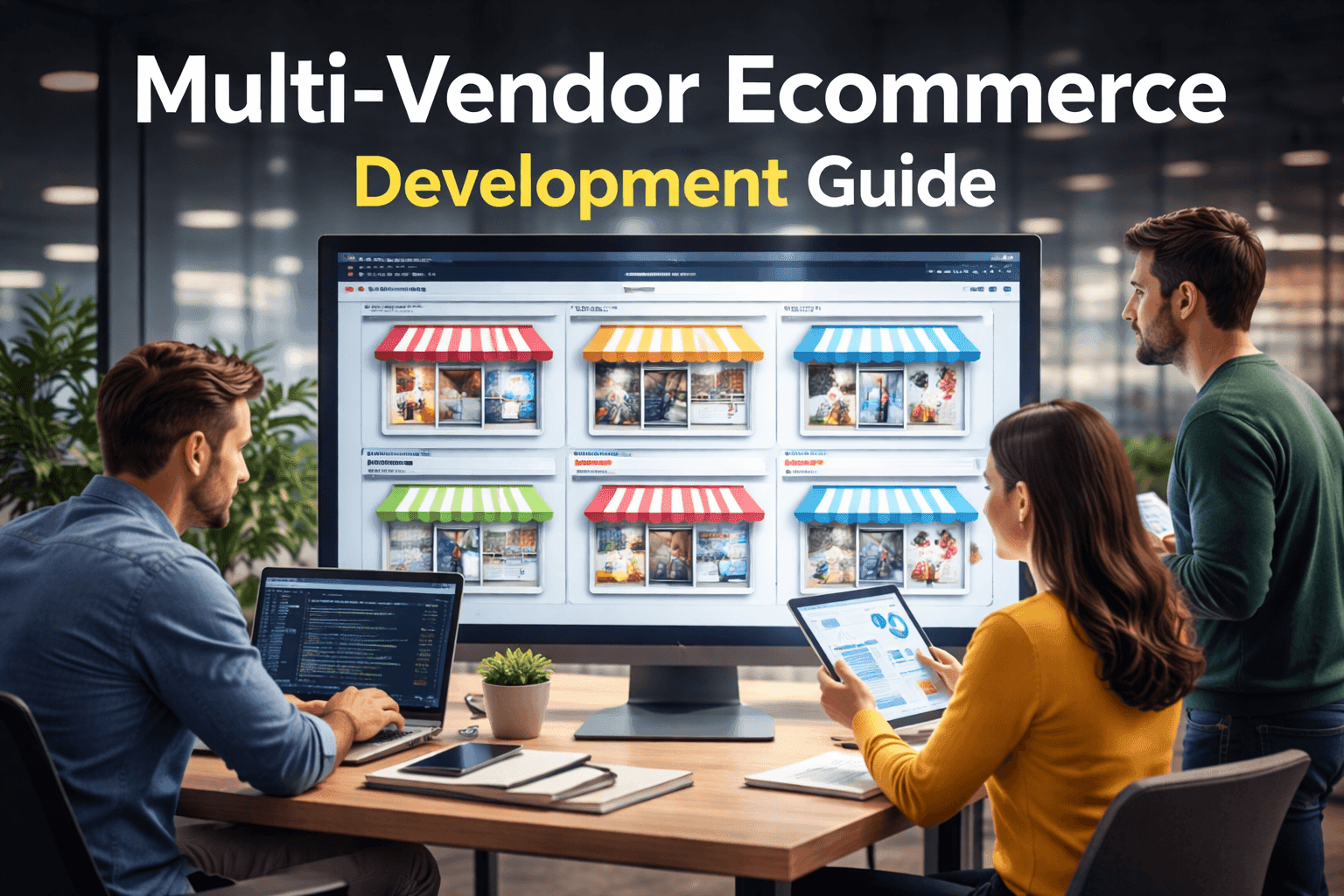
Ecommerce is no longer limited to single-brand online stores. Many businesses are now moving toward multi-vendor platforms where multiple sellers can list and sell products within a single marketplace. This model has gained popularity because it allows businesses to scale faster, offer wider product ranges, and attract more customers.
Multi-vendor ecommerce development is the process of building such platforms where vendors, customers, and administrators interact seamlessly. It requires a structured approach that combines technology, user experience, and performance. Modern web development services focus on creating marketplaces that are scalable, secure, and easy to manage.
Understanding how multi-vendor ecommerce platforms work helps businesses build systems that support growth and long-term success.
What Is Multi-Vendor Ecommerce Development
A multi-vendor ecommerce platform allows multiple sellers to register, manage their products, and sell directly to customers through a single website. The platform owner acts as a central authority, managing vendors, transactions, and overall operations.
A professional web development agency ensures that all components—vendor dashboards, product management systems, payment distribution, and user interfaces work together efficiently. The goal is to create a system where vendors can operate independently while maintaining a consistent user experience for customers.
This model benefits both businesses and sellers by creating a shared ecosystem that supports expansion and collaboration.
Why Businesses Choose Multi-Vendor Marketplaces
Multi-vendor platforms offer several advantages compared to traditional ecommerce websites. They allow businesses to scale without managing inventory directly and provide customers with a wider range of products.
A reliable web development company builds marketplaces that support multiple vendors while maintaining performance and usability.
Key advantages include:
- Ability to scale product offerings quickly
- Reduced inventory management responsibilities
- Increased revenue through commissions
- Broader customer reach and engagement
This model creates a dynamic platform where growth is driven by both the business and its vendors.
Core Features of a Multi-Vendor Platform
A successful multi-vendor ecommerce website requires specific features that support vendors, customers, and administrators.
Essential features include:
- Vendor registration and management system
- Individual vendor dashboards
- Product listing and inventory management
- Order tracking and fulfillment
- Commission and payment management
These features ensure smooth operations and provide vendors with the tools they need to manage their businesses effectively.
Vendor Management and Control
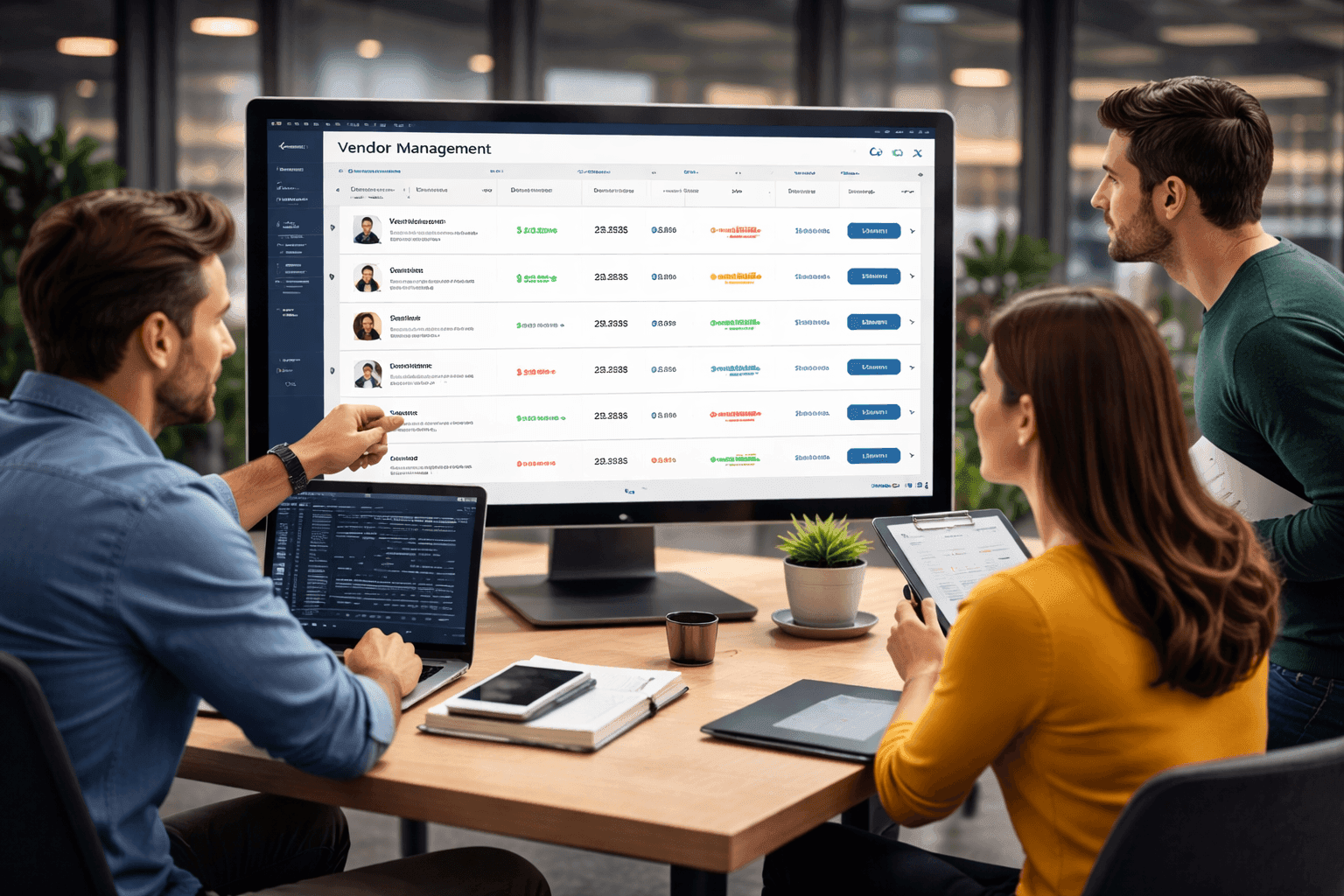
Managing multiple vendors is one of the most important aspects of a multi-vendor platform. Without proper control, the system can become difficult to manage.
Effective web development services focus on creating systems that allow administrators to monitor vendor activities, manage approvals, and ensure quality standards. This includes vendor onboarding processes, performance tracking, and dispute management. A structured vendor management system ensures that the platform remains organized and reliable.
Technology Behind Multi-Vendor Platforms
The success of a multi-vendor marketplace depends on the technology used to build it. Modern web development technologies enable businesses to create scalable and high-performing platforms.
Key technology considerations include:
- Scalable backend systems to handle multiple vendors
- Secure payment integration for transactions
- API-based architecture for flexibility
- Cloud infrastructure for performance and reliability
Choosing the right technology ensures that the platform can handle increasing traffic, products, and transactions without performance issues.
Payment and Commission Management
Handling payments in a multi-vendor system is more complex than in a single-vendor store. The platform must manage transactions between customers, vendors, and administrators.
A professional web development agency ensures that payment systems are integrated securely and efficiently.
Important aspects include:
- Automated commission calculation
- Split payments between vendors and platform
- Secure payment gateway integration
- Transparent transaction tracking
A well-managed payment system builds trust among vendors and ensures smooth financial operations.
User Experience for Customers and Vendors
User experience is critical for both customers and vendors. Customers expect a seamless shopping experience, while vendors need easy-to-use tools for managing their products.
A reliable web development company focuses on creating intuitive interfaces for both sides. Customers should be able to browse products, compare options, and complete purchases easily. Vendors should have access to dashboards that simplify product management and order tracking.
Balancing these experiences ensures that both customers and vendors remain engaged with the platform.
Security and Scalability Considerations
Multi-vendor platforms handle large amounts of data, transactions, and user interactions. Security and scalability are essential for maintaining performance and reliability.
Modern web development technologies support secure data handling, user authentication, and system monitoring. At the same time, scalable architecture ensures that the platform can grow without disruptions.
Investing in security and scalability helps businesses build platforms that are ready for long-term expansion.
Challenges in Multi-Vendor Ecommerce Development
Building a multi-vendor platform comes with challenges that require careful planning and execution.
Common challenges include:
- Managing multiple vendors efficiently
- Handling complex payment structures
- Maintaining consistent user experience
- Ensuring platform security
A professional web development agency addresses these challenges by designing systems that are structured, flexible, and easy to manage.
Closing Thought
A multi-vendor ecommerce platform is more than a website.
It is a system that connects businesses, sellers, and customers.
When built with the right strategy and technology, it becomes a powerful marketplace that drives growth and opportunity.
"Successful marketplaces are built by enabling others to grow while creating value for every user involved."