

Paid Social Advertising: How Retargeting Improves Conversions
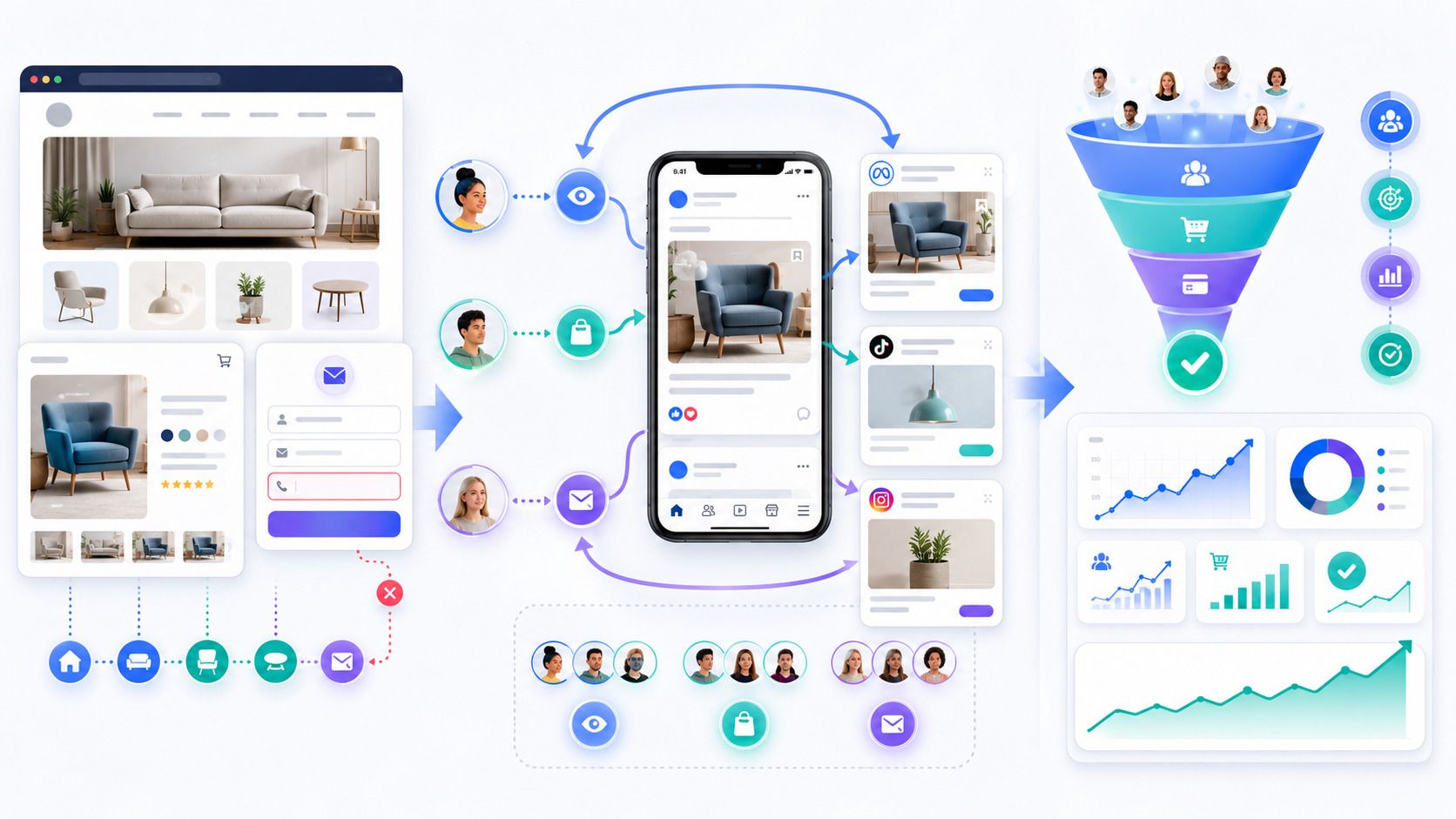
Most people do not convert the first time they see an ad. They may visit your website, check your service page, watch a video, read a few reviews, and leave without taking action.
That does not always mean they are not interested. They may need more time, more proof, or a stronger reason to return.
This is where retargeting helps.
Retargeting in paid social advertising allows businesses to reach people who have already interacted with their brand. These users are warmer than cold audiences because they have shown some level of interest. When the right message reaches them again, they are more likely to convert.
What Is Retargeting in Paid Social Advertising?
Retargeting is a paid advertising strategy that shows ads to people who have already engaged with your business online.
This may include users who:
• Visited your website
• Viewed a service page
• Clicked an ad
• Watched a video
• Opened a lead form
• Engaged with your Instagram or Facebook page
• Added a product to cart
• Downloaded a resource
• Started an enquiry but did not submit it
Platforms like Meta, LinkedIn, YouTube, and other paid social channels allow businesses to build custom audiences from these actions.
The goal is to bring interested users back and guide them toward conversion.
Why First-Time Visitors Often Do Not Convert
People rarely make decisions immediately.
A user may click your ad during a work break, while scrolling at night, or while casually comparing options. Even if they are interested, they may not be ready to fill out a form or book a call.
They may also leave because:
• They want to compare other providers
• They need approval from a team member
• They are checking pricing
• They do not fully trust the brand yet
• They are distracted
• The offer is not urgent enough
• They need more information
Retargeting gives your business a second chance to continue the conversation.
How Retargeting Improves Conversions
Retargeting improves conversions because it focuses on people who already know your brand.
Cold audiences need more education. Warm audiences need the right nudge.
A user who visited your landing page has already shown interest. A user who watched 75% of your video has spent time with your message. A user who opened your lead form may only need a stronger reason to complete it.
Retargeting helps by showing these users more relevant ads based on their previous actions.
For example, a Digital Marketing Company in Austin can retarget website visitors with case studies, client results, service benefits, or a free consultation offer to move them closer to enquiry.
Retargeting Reduces Wasted Ad Spend
Cold advertising often reaches a wide audience. Some users may be relevant. Many may not be ready.
Retargeting narrows the focus.
Instead of spending the full budget on people who have never heard of your business, retargeting puts part of the budget toward users who already showed interest.
This can improve ad efficiency because warmer users are more likely to click, engage, and convert.
Retargeting does not replace cold campaigns. It supports them by improving conversion from traffic you have already paid to attract.
It Builds Trust Through Repeated Exposure
Trust usually grows over multiple touchpoints.
A person may first see your brand through a social ad. Later, they may visit your website. Then they may see a testimonial ad, followed by a case study or offer.
This repeated exposure helps the brand feel more familiar.
But repetition must be useful. Showing the same ad again and again can create fatigue. Retargeting works better when each ad adds something new.
For example:
• First ad: Service awareness
• Second ad: Problem and solution
• Third ad: Client proof
• Fourth ad: Consultation offer
This sequence feels more natural and helps users make a decision.
Retargeting Helps Recover Abandoned Leads
Many users start an action but do not complete it.
They may open a lead form and close it. They may visit the contact page but not submit details. They may click the call button but not connect.
These users are valuable because they came close to converting.
Retargeting can bring them back with a stronger message.
For example:
• “Still looking for a growth partner?”
• “Book your free campaign audit.”
• “See how our team improves lead quality.”
• “Ready to turn ad traffic into enquiries?”
A clear reminder can push warm prospects to take the next step.
Audience Segmentation Makes Retargeting Stronger
Not all retargeting audiences are the same.
A person who watched a short video is different from someone who visited a pricing page. A person who read a blog is different from someone who opened a lead form.
Better segmentation creates better messaging.
Useful retargeting segments include:
• Website visitors from the last 30 days
• Service page visitors
• Landing page visitors
• Blog readers
• Video viewers
• Social media engagers
• Lead form openers
• Cart abandoners
• Past customers
• Email list audiences
Each group should receive a message that matches their stage in the journey.

Retargeting Ad Creatives That Work Well
Retargeting ads should not feel generic.
These users already know something about your brand, so the creative should move the conversation forward.
Strong retargeting creatives include:
Testimonial Ads
Customer reviews and short success stories help reduce doubt.
Case Study Ads
Performance results, before-and-after examples, and campaign outcomes build confidence.
Offer-Based Ads
Free audits, consultations, demos, or strategy calls create a clear reason to act.
Educational Ads
Short tips, explainers, and comparison content help users understand the value.
Urgency Ads
Limited slots, event deadlines, or campaign timelines can encourage faster action when used honestly.
The best creative depends on the user’s previous action and the campaign goal.
Landing Pages Still Matter
Retargeting can bring users back, but the landing page still needs to convert.
If the page is slow, unclear, or weak, users may leave again.
A good retargeting landing page should have:
• Clear headline
• Relevant offer
• Strong proof points
• Simple form
• Fast loading speed
• Mobile-friendly design
• Clear CTA
• Trust signals
• Minimal distractions
The landing page should match the retargeting ad. If the ad promotes a free audit, the page should focus on that audit, not a broad company overview.
Retargeting Improves Lead Quality
Retargeting often improves lead quality because users have already interacted with your brand.
They are not completely cold. They may understand your service better. They may have seen your proof. They may be more serious when they finally enquire.
This helps sales teams have better conversations.
Instead of explaining everything from the beginning, the sales team can speak to prospects who already have some context.
Better context often leads to better qualification and stronger conversion rates.
Frequency Control Is Important
Retargeting can become annoying if users see the same ad too often.
High frequency can lead to ad fatigue, lower engagement, and negative brand perception.
Businesses should monitor frequency and refresh creatives regularly.
Use different messages for different stages. Exclude users who have already converted. Avoid showing the same ad endlessly to people who are no longer interested.
Good retargeting feels helpful, not pushy.
How to Measure Retargeting Success
Retargeting should be measured carefully.
Do not look only at clicks. Track meaningful actions.
Important metrics include:
• Conversion rate
• Cost per lead
• Cost per qualified lead
• Lead form completion rate
• Website return visits
• Appointment bookings
• Sales conversion rate
• Frequency
• View-through conversions
• Return on ad spend
The goal is not just to get more traffic. The goal is to turn warm attention into real business opportunities.
Best Practices for Retargeting Campaigns
To make retargeting work better, businesses should follow a structured approach.
Start with clear audience segments. Create messages based on user behavior. Use proof-based creatives. Send traffic to focused landing pages. Exclude converted users. Refresh ads regularly. Track lead quality, not just lead volume.
Also, give users enough time to convert. Some services have longer buying cycles. A person may need several touchpoints before contacting your team.
Retargeting works best when it supports the full customer journey.
Final Thoughts
Retargeting improves conversions by reconnecting with people who already showed interest in your brand.
It helps reduce wasted ad spend, build trust through repeated exposure, recover abandoned leads, and improve lead quality. It also gives businesses a smarter way to turn paid social traffic into real enquiries.
The strongest retargeting campaigns are not random reminders. They are planned sequences that show the right message to the right audience at the right time.
For better results, combine retargeting with strong creatives, clear offers, optimized landing pages, and proper tracking. That is how paid social advertising becomes more than visibility. It becomes a conversion-focused growth channel.
"“Retargeting works because it brings interested people back with the right message when they are closer to making a decision.”"