

Performance Marketing Guide: Strategy, Channels, ROI, and Growth Framework
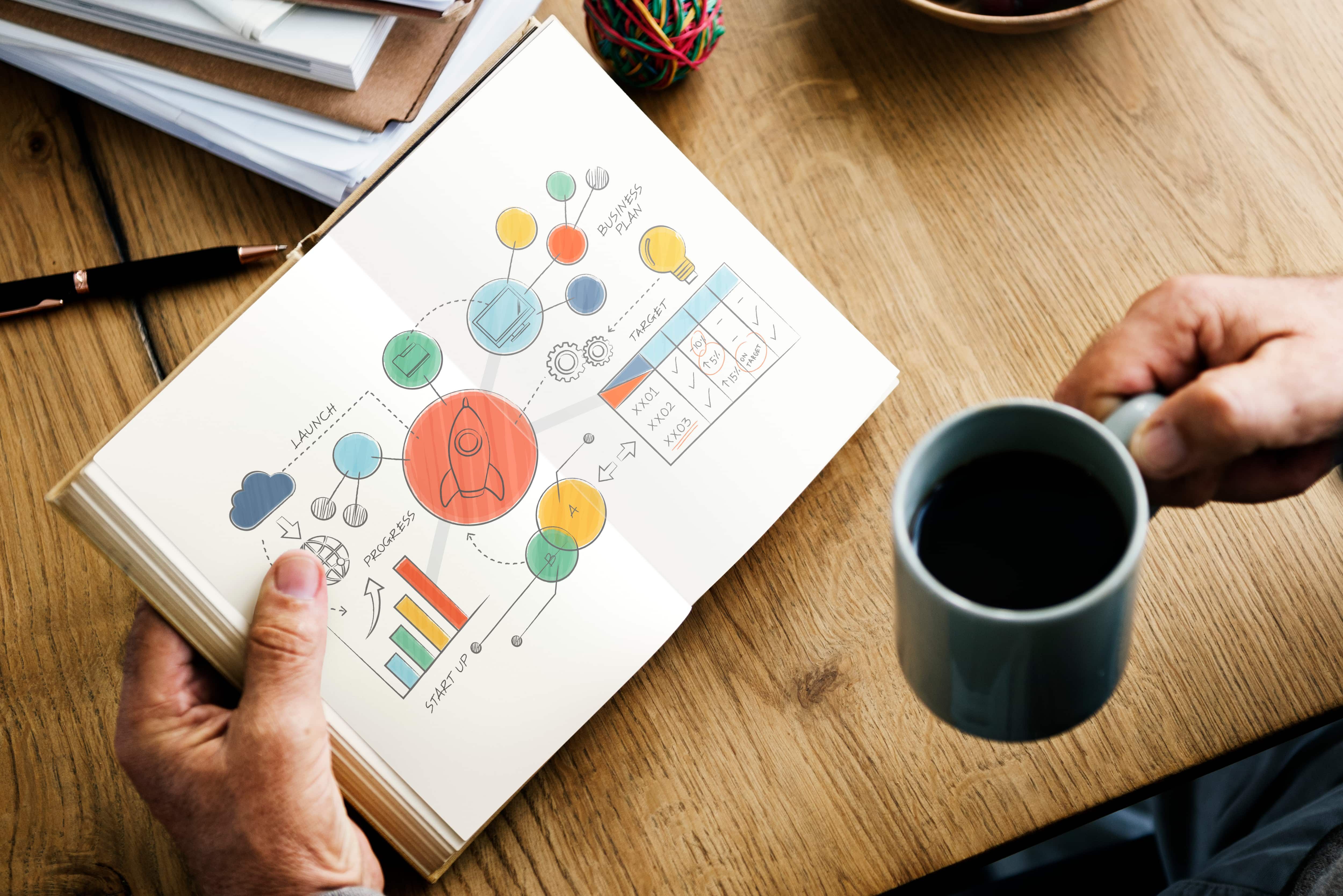
Marketing today is no longer about visibility alone. Businesses expect measurable results, predictable growth, and efficient use of every marketing investment. Without a structured approach, campaigns often fail to deliver consistent outcomes.
This is where Performance marketing becomes essential. It focuses on measurable actions, data-driven decision-making, and continuous optimization to drive scalable business growth. This guide explains how performance marketing works, the strategies behind it, and how businesses can use it to achieve measurable success.
What is Performance Marketing
Performance marketing is a results-driven approach where businesses pay only when a specific action is completed, such as a click, lead, or conversion. It ensures that marketing investments are directly tied to outcomes.
Unlike traditional methods, performance marketing focuses on accountability. Every campaign is tracked, analyzed, and optimized to improve efficiency and ROI.
Key advantages:
- Pay only for measurable outcomes
- Full transparency in campaign performance
- Real-time optimization
- Scalable growth opportunitie
A performance marketing agency helps businesses implement structured campaigns that focus on measurable results instead of assumptions.
How Performance Marketing Works
Performance marketing operates through a structured system that connects targeting, engagement, and conversion.
Core workflow:
- Identify target audience
- Launch campaigns across platforms
- Engage users through ads
- Track user behavior
- Optimize campaigns continuously
Each stage is supported by data insights, ensuring campaigns improve over time.
Strong performance marketing services focus on refining each stage to improve campaign efficiency and results.
Key Components of Performance Marketing
A successful Performance marketing system relies on multiple components working together.
Core components:
- Audience targeting and segmentation
- Advertising channels and platforms
- Creative messaging and content
- Conversion tracking systems
- Analytics and optimization
Each component contributes to improving campaign performance and delivering measurable results.
A performance marketing company ensures that these components are aligned for maximum efficiency and ROI.
Performance Marketing Ecosystem
The ecosystem includes platforms, tools, and technologies that enable campaign execution and optimization.
Key elements:
Advertising Platforms
- Google Ads
- Meta Ads
- LinkedIn Ads
Analytics Tools
- Google Analytics
- Tag Manager
- Performance dashboards
CRM Systems
- Lead tracking
- Customer journey mapping
- Conversion attribution
For example, integrating Google Analytics with CRM tools helped a business improve campaign efficiency by 2.5X by optimizing targeting and conversion tracking.
A performance marketing company uses this ecosystem to deliver consistent and scalable results.
Performance Marketing vs Digital Marketing
Digital marketing includes all online marketing activities, while Performance marketing focuses specifically on measurable results.
Key differences:
- Digital marketing focuses on awareness and engagement
- Performance marketing focuses on conversions and ROI
- Digital marketing includes broader strategies
- Performance marketing is data-driven and measurable
Businesses prefer performance marketing for its ability to deliver predictable outcomes and track performance in real time.
Performance Marketing vs Traditional Marketing
Traditional marketing focuses on visibility and reach, while performance marketing focuses on measurable outcomes.
Key differences:
- Traditional marketing → impressions and reach
- Performance marketing → conversions and ROI
- Traditional marketing → limited tracking
- Performance marketing → real-time optimization
This shift allows businesses to optimize campaigns and improve marketing efficiency.
Performance Marketing Channels
Choosing the right channels is critical for campaign success. Each platform plays a role in reaching users at different stages of the funnel.
Major channels:
Search Advertising (Google Ads)
- Captures high-intent users actively searching
Social Media Advertising (Meta Ads, Instagram)
- Builds engagement and awareness
LinkedIn Advertising
- Targets B2B audiences and decision-makers
Display Advertising
- Supports retargeting and brand recall
For example, combining Google Ads and Meta Ads improved conversions by 2.4X by targeting users across multiple stages of the funnel.
A performance marketing agency helps businesses select and optimize the right channels for maximum impact.
Performance Marketing Strategy Framework
A strong strategy ensures campaigns are structured and scalable.
Key elements:
- Goal setting and KPI definition
- Audience segmentation
- Channel selection
- Budget allocation
- Performance tracking
Without strategy, campaigns lack direction and consistency.
Strong performance marketing services focus on aligning campaigns with business goals and measurable outcomes.
Performance Marketing Tools and Technologies
Technology plays a critical role in executing and optimizing campaigns.
Essential tools:
- Google Ads for campaign execution
- Meta Ads Manager for targeting
- Google Analytics for tracking
- CRM tools for lead management
- Automation tools for scaling
For example, integrating analytics tools with automation platforms improved campaign efficiency by 2.6X through better optimization and reporting.
A performance marketing company uses these technologies to drive consistent results.
Performance Marketing Metrics and ROI
Tracking the right metrics is essential for evaluating campaign success.
Key metrics:
- Conversions
- Cost per acquisition (CPA)
- Return on ad spend (ROAS)
- Click-through rate (CTR)
Focusing on the right metrics helps businesses make data-driven decisions and improve campaign performance.
Performance Marketing Funnel
A structured funnel guides users from awareness to conversion.
Funnel stages:
- Awareness → attract users
- Consideration → engage users
- Conversion → drive action
Optimizing each stage improves user experience and conversion rates.
A performance marketing agency ensures that campaigns are aligned with the funnel for better results.
Performance Marketing Targeting
Targeting ensures campaigns reach users who are most likely to convert.
Key strategies:
- Audience segmentation
- Behavior-based targeting
- Intent-based targeting
- Retargeting campaigns
Precise targeting improves campaign efficiency and reduces wasted spend.

Performance Marketing Optimization and Scaling
Optimization is the foundation of Performance marketing. Campaigns must be refined continuously to improve results.
Key strategies:
- A/B testing
- Creative optimization
- Audience refinement
- Budget adjustments
- Funnel optimization
For example, optimizing campaigns using data insights improved conversions by 2.6X by refining targeting and messaging.
A performance marketing company ensures continuous improvement and scalability.
Performance Marketing Pricing Models
Pricing models define how businesses invest in campaigns.
Common models:
- CPC (Cost per Click)
- CPL (Cost per Lead)
- CPA (Cost per Acquisition)
Each model aligns with different campaign goals and business objectives.
Why Work With a Performance Marketing Agency
Managing performance marketing requires expertise, tools, and continuous optimization.
Key benefits:
- Access to experienced professionals
- Advanced tools and technologies
- Data-driven strategies
- Continuous optimization
- Scalable growth
A performance marketing agency helps businesses achieve consistent and measurable results.
How Performance Marketing Drives Business Growth
Growth comes from combining strategy, execution, and optimization.
Key drivers:
- Targeting the right audience
- Using high-performing channels
- Optimizing campaigns continuously
- Tracking measurable outcomes
A performance marketing company uses platforms like Google Ads, Meta Ads, LinkedIn Ads, and analytics tools to deliver scalable growth.
Closing Thought
Marketing today is driven by data, not assumptions.
Businesses that focus on measurable outcomes achieve stronger results and scalable growth.
When strategy, technology, and optimization work together, campaigns become predictable and efficient. That is what makes Performance marketing the foundation of modern business success.
"Performance marketing transforms marketing from an expense into a measurable and scalable growth engine."