

Social Media Marketing for Business Growth: Beyond Likes and Followers
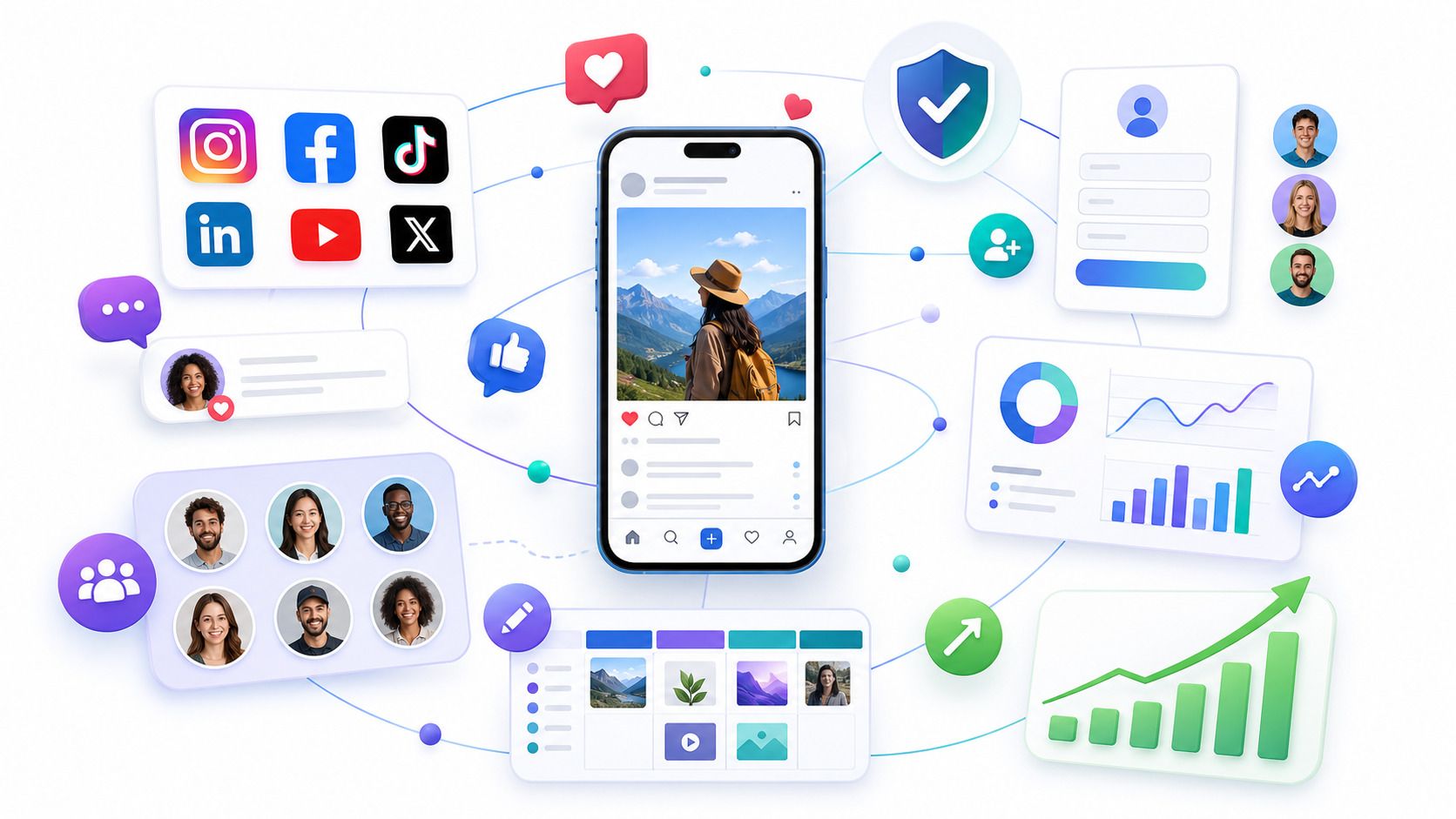
Many businesses still measure social media success only through likes, followers, and post reach. These numbers can look good on a report, but they do not always show real business growth.
A post may get many likes and still bring no enquiries. A page may have thousands of followers, but very few serious customers. This is why social media marketing needs to move beyond vanity metrics.
The real value of social media comes from trust, visibility, engagement, lead generation, customer education, and brand recall. When planned properly, it can support every stage of the customer journey.
What Is Social Media Marketing?
Social media marketing is the use of platforms like Instagram, Facebook, LinkedIn, YouTube, X, Pinterest, and others to promote a brand, build relationships, and support business goals.
It includes content creation, audience engagement, paid campaigns, influencer collaborations, community building, analytics, and lead generation.
Good social media marketing is not just about posting often. It is about posting with purpose. Every piece of content should help the audience understand your brand, trust your expertise, or take the next step.
Why Likes and Followers Are Not Enough
Likes and followers can show interest, but they do not always show intent.
A person may like a post because the design looks good. Another may follow a page but never become a customer. These actions are useful, but they are only early signals.
Businesses need to look deeper.
Better social media metrics include:
• Website visits
• Enquiries
• Form submissions
• Calls
• Saves
• Shares
• Comments
• Direct messages
• Lead quality
• Conversion rate
• Cost per lead
• Repeat engagement
These metrics show real movement. They tell you if people are only watching or actually moving closer to buying.
Social Media Builds Brand Awareness
Social media helps people discover your business before they search for you directly.
A strong presence keeps your brand visible in everyday digital spaces. People may see your posts, reels, stories, videos, ads, and customer updates several times before they make a decision.
This repeated exposure builds brand recall.
When the same person later needs your service, they are more likely to remember your business. This is especially useful in competitive markets where customers compare several brands before contacting one.
It Helps Build Trust Before the Sale
Customers want to know who they are dealing with.
Social media gives businesses a chance to show their work, process, team, values, customer stories, and results. This helps people feel more comfortable before reaching out.
For example, a service-based business can share:
• Client results
• Behind-the-scenes work
• Educational posts
• Customer testimonials
• Founder insights
• Case study snippets
• FAQs
• Short explainer videos
These content types make the brand feel more real and reliable.
Trust does not come from one promotional post. It comes from consistent, useful communication.
Social Media Supports Lead Generation
Social media can directly support lead generation when the strategy is clear.
Businesses can use organic posts, paid ads, lead forms, landing pages, direct messages, and retargeting campaigns to collect enquiries.
For example, a business offering Digital Marketing Services in San Jose can use social media to educate local businesses, promote service benefits, share proof of results, and guide interested users toward a consultation.
Lead generation works better when the content is specific. Instead of saying “Contact us for marketing,” the message should explain the problem and the outcome.
For example:
“Struggling to turn website traffic into enquiries? Book a landing page audit.”
This gives users a clear reason to act.
Content Should Match the Customer Journey
Not every follower is ready to buy.
Some people are just discovering your business. Some are comparing options. Some are ready to speak with your team.
Your social media content should support all these stages.
Awareness Content
This content introduces your brand and explains common problems. It may include tips, short videos, trends, myths, and simple educational posts.
Consideration Content
This content helps users compare and evaluate. It may include case studies, testimonials, service explanations, process posts, and comparison content.
Conversion Content
This content encourages action. It may include offers, consultations, demo bookings, limited campaigns, lead magnets, and direct CTAs.
A balanced content mix prevents your page from becoming too promotional or too generic.
Engagement Means More Than Comments
Engagement is often misunderstood.
A post with many comments may look successful, but the quality of engagement matters. A serious enquiry in direct messages may be more valuable than 100 random likes.
Businesses should track meaningful engagement.
This includes people asking about services, saving useful posts, sharing content with decision-makers, visiting the website, or returning after seeing multiple posts.
Good engagement shows that your audience finds the content useful.
Paid Social Media Helps Scale Results
Organic social media builds trust and consistency. Paid social media helps scale reach and lead generation.
Platforms like Meta and LinkedIn allow businesses to target users based on location, interests, behavior, job roles, industry, and audience lists.
Paid campaigns can be used for:
• Lead generation
• Website traffic
• Remarketing
• Event promotion
• Service awareness
• Offer campaigns
• Video views
• Download campaigns
Paid social works best when supported by strong creatives, clear messaging, and optimized landing pages.
Without this, the campaign may bring clicks but not quality leads.
Social Media Strengthens Customer Relationships
Social media is not only for new customers. It also helps maintain relationships with existing customers.
When customers continue to see useful updates, success stories, tips, and brand communication, they stay connected. This can lead to repeat business, referrals, reviews, and long-term loyalty.
For many businesses, customer retention is just as important as lead generation.
A strong social media presence keeps your brand active in the customer’s mind even after the first purchase or project.
Analytics Help Improve Strategy
Social media should not be managed blindly.
Analytics help businesses understand what content works, which audience responds, and which platforms bring better results.
Review metrics such as:
• Reach
• Saves
• Shares
• Click-through rate
• Direct messages
• Website visits
• Lead submissions
• Video watch time
• Cost per result
• Conversion rate
These insights help improve future content and campaigns.
For example, if educational reels bring more saves, create more of them. If case study posts bring website visits, use them more often. If one platform brings poor-quality leads, adjust the strategy.

Common Social Media Mistakes Businesses Make
Many businesses do social media without a clear goal. They post because competitors are posting. This usually leads to weak results.
Common mistakes include:
• Posting only promotional content
• Ignoring comments and messages
• Using generic creatives
• Not tracking leads
• Posting without a content calendar
• Focusing only on followers
• Sending paid traffic to weak pages
• Using the same content on every platform
Social media needs planning. The content, visuals, captions, CTAs, and campaign goals should work together.
How to Make Social Media Growth-Focused
To make social media useful for business growth, start with clear goals.
Decide what you want from the platform. Is it awareness, leads, website traffic, community building, or customer retention?
Then build content around that goal.
A growth-focused social media strategy should include:
• Clear audience definition
• Platform-specific content
• Strong visual identity
• Educational and proof-based content
• Lead-focused CTAs
• Paid campaign support
• Regular performance tracking
• Fast response to enquiries
This approach turns social media into a business channel, not just a posting activity.
Final Thoughts
Social media marketing is much more than likes and followers.
It helps businesses build awareness, earn trust, educate customers, generate leads, support sales, and strengthen long-term relationships.
The real value comes when social media is connected to business goals. Every post, ad, story, video, and campaign should support a larger growth journey.
Likes and followers can be useful signals, but they are not the final measure of success. Real growth comes from meaningful engagement, better enquiries, stronger trust, and measurable business outcomes.
"“Social media works best when it moves beyond visibility and starts supporting trust, conversations, leads, and customer loyalty.”"