

UX Improvements in Website Revamp for Better Results

A website revamp is not just about updating visuals or adding new features. The real value lies in improving how users experience the platform. User experience (UX) directly influences how visitors interact with your website, how long they stay, and whether they take action.
Many websites fail not because of poor design, but because they do not align with user expectations. A revamp provides the perfect opportunity to fix these issues and create a smoother, more intuitive experience. Modern web development services focus on UX improvements that reduce friction and guide users effectively.
When UX is improved during a website revamp, the result is a platform that not only looks better but also performs better.
Understanding Current UX Gaps
Before making improvements, it is important to understand what is not working in the existing website. This involves analyzing user behavior, identifying pain points, and evaluating how users navigate through the platform.
A professional web development agency uses data and insights to identify where users drop off, where they get confused, and what prevents them from completing actions. These insights form the foundation of UX improvements.
Understanding current gaps ensures that the revamp focuses on real problems rather than assumptions.
Simplifying Navigation and User Flow
Navigation plays a critical role in user experience. If users cannot find what they need quickly, they are likely to leave.
A reliable web development company focuses on creating clear and intuitive navigation. This includes organizing menus, improving page structure, and defining user journeys.
Best practices include:
- Use simple and logical menu structures
- Maintain consistency across pages
- Reduce the number of steps required to take action
- Guide users with clear pathways
Simplified navigation helps users move through the website effortlessly.
Improving Page Structure and Content Layout
The way content is structured on a page affects how users interact with it. A cluttered or poorly organized layout can make it difficult for users to understand the information.
A professional web development agency focuses on creating clean and structured layouts. This includes proper spacing, clear headings, and logical content flow.
When content is easy to scan and understand, users are more likely to stay engaged and take action.
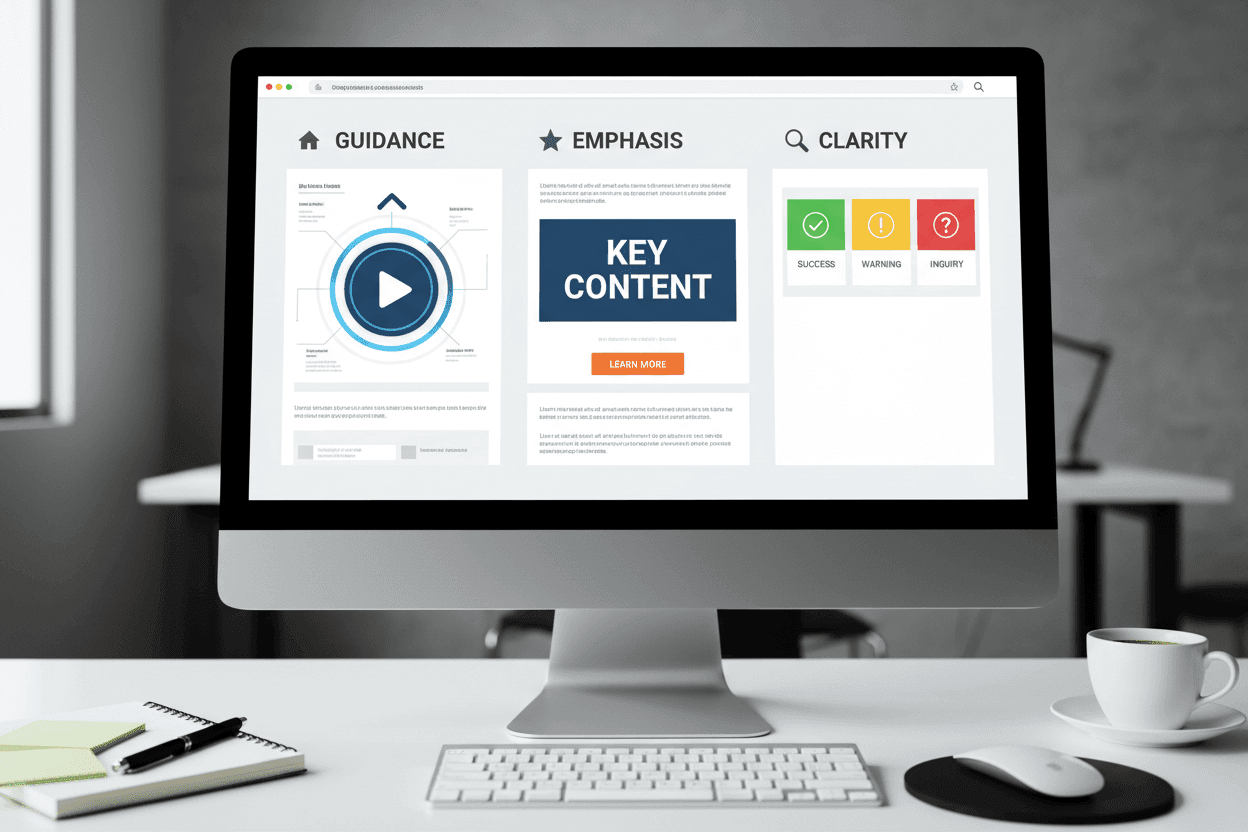
Enhancing Visual Hierarchy
Visual hierarchy helps guide users’ attention to the most important elements on a page. Without it, users may feel overwhelmed or miss key information.
Effective web development services use design elements such as size, contrast, and placement to highlight important content.
A strong visual hierarchy ensures that users can quickly identify key messages, calls to action, and important sections. This improves usability and overall experience.
Optimizing Speed and Performance
Performance is a key part of user experience. A slow website can frustrate users and reduce engagement.
Modern web development technologies focus on optimizing speed through efficient coding, image compression, and improved hosting solutions.
Key performance improvements include:
- Faster loading times
- Optimized media and assets
- Reduced unnecessary scripts
- Improved server response
A fast website creates a smoother and more enjoyable user experience.
Designing for Mobile Users
Mobile usage continues to grow, making mobile optimization essential. A website that does not perform well on mobile devices can lose a large portion of its audience.
A reliable web development company ensures that the website is fully responsive. This includes optimizing layouts, navigation, and interactions for smaller screens.
Mobile-friendly design improves accessibility and ensures that users have a consistent experience across devices.
Improving Forms and Interaction Elements
Forms and interactive elements are critical for conversions. Poorly designed forms can create friction and reduce completion rates.
A professional web development agency focuses on simplifying forms and making interactions smooth and intuitive.
Best practices include:
- Keep forms short and focused
- Use clear labels and instructions
- Provide real-time feedback for inputs
- Avoid unnecessary complexity
Improving interaction elements makes it easier for users to take action.
Building Trust Through UX Design
Trust is an important factor in user experience. Users need to feel confident while interacting with a website.
Effective web development services incorporate trust elements such as clear messaging, secure design, and consistent visuals.
When users trust the platform, they are more likely to engage and convert. UX design plays a key role in building this trust.
Ensuring Consistency Across the Website
Consistency improves usability by creating familiarity. When design elements, navigation, and content remain consistent, users can interact with the website more easily.
A professional web development agency ensures that all pages follow a consistent design system. This includes colors, typography, and layout patterns.
Consistency reduces confusion and improves overall user experience.
Continuous Testing and UX Optimization
UX improvements do not end after the revamp. Continuous testing helps identify new opportunities for improvement.
Modern web development technologies allow businesses to track user behavior and test different design elements. This helps refine the experience over time.
A reliable web development company ensures that UX optimization becomes an ongoing process. Continuous improvement keeps the website aligned with user needs.
Closing Thought
User experience defines how people interact with your website.
It shapes their journey from start to finish.
When UX is improved during a revamp, the website becomes easier, faster, and more effective.
"A great website is not just designed it is experienced, and that experience defines its success."