

What Is Performance Marketing and How Does It Improve ROI?
Marketing budgets need clear answers. Business owners want to know where their money is going, which campaigns are working, and how many leads or sales are coming from each channel.
That is where performance marketing becomes useful.
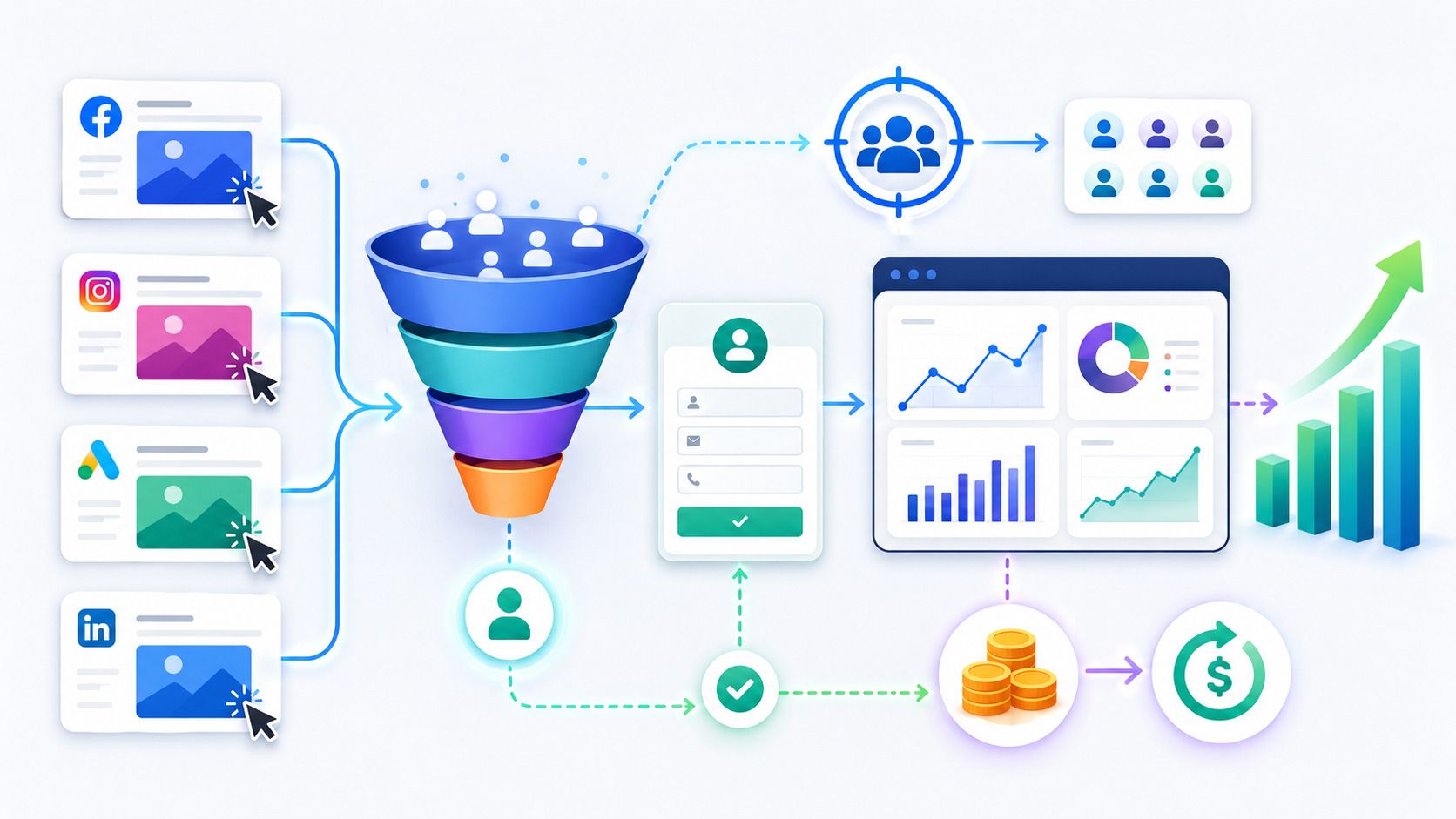
Performance marketing is focused on measurable results. It connects advertising, tracking, analytics, conversion optimization, and campaign testing into one clear growth system. Instead of spending blindly, businesses can track actions and improve campaigns based on real data.
For growing brands, this approach helps reduce wasted spend and improve return on investment.
What Is Performance Marketing?
Performance marketing is a digital marketing approach where campaigns are measured based on specific results. These results may include clicks, leads, sales, app installs, calls, bookings, form submissions, or other business actions.
The main idea is simple. Every campaign should be linked to a measurable outcome.
Unlike traditional marketing, performance marketing gives businesses a clearer view of what happens after someone sees an ad or visits a website. It helps teams understand which audience, platform, creative, keyword, and landing page is bringing better results.
Performance marketing can include channels like Google Ads, Meta Ads, LinkedIn Ads, display advertising, affiliate marketing, remarketing, and conversion-focused SEO strategies.
Why Performance Marketing Matters Today
Customers now move across many digital platforms before making a decision. They may search on Google, visit a website, compare brands, watch videos, check reviews, and return later through an ad.
Without proper tracking, businesses may not know which touchpoint created the lead.
Performance marketing solves this problem by connecting campaign activity with business outcomes. It helps businesses understand the complete customer journey.
This is especially important for service-based companies where every lead has a cost. When tracking is weak, budgets get spent without clarity. When performance systems are strong, every campaign can be improved with data.
How Performance Marketing Works
Performance marketing works through a clear process. It starts with a business goal, then builds campaigns around that goal.
For example, the goal may be to generate qualified leads. The campaign may use Google Search Ads to reach people actively looking for services. A landing page collects enquiries. Tracking tools measure form submissions, calls, clicks, and conversion rates.
Once the campaign starts, performance data is reviewed regularly. Low-performing keywords may be paused. Strong ad copies may get more budget. Landing pages may be improved for better conversions.
This process helps campaigns become stronger over time.
Main Components of Performance Marketing
A good performance marketing strategy is not only about running ads. It includes several connected parts.
1. Clear Campaign Goals
Every campaign needs a defined goal. This may be lead generation, sales, traffic, app downloads, bookings, or brand enquiries.
Clear goals help teams choose the right platform, audience, budget, and message.
2. Audience Targeting
Performance marketing depends on reaching the right people.
Targeting can be based on search intent, location, interests, job roles, behavior, demographics, or remarketing lists. Better targeting improves lead quality and reduces wasted spend.
3. Strong Ad Creatives
Ad creatives influence clicks and conversions. The headline, visual, offer, and call-to-action must match the user’s need.
Good creatives are tested often. This helps identify what attracts better responses.
4. Landing Page Optimization
Traffic alone does not improve ROI. Visitors need to take action.
A landing page should have a clear headline, strong value proposition, trust signals, simple form, fast loading speed, and focused CTA.
Poor landing pages can waste even the best ad budget.
5. Conversion Tracking
Tracking shows what is working.
Businesses should track calls, form fills, WhatsApp clicks, purchases, downloads, booked appointments, and other meaningful actions.
Without tracking, performance marketing becomes guesswork.
6. Data-Based Optimization
Campaigns need regular improvement.
This includes adjusting keywords, audiences, bids, budgets, creatives, landing pages, and campaign structure. Small improvements can create better ROI over time.
How Performance Marketing Improves ROI
ROI improves when businesses spend less to get better results or generate more value from the same budget.
Performance marketing helps with both.
It gives businesses clear visibility into what works and what does not. This allows teams to move budget away from weak campaigns and invest more in high-performing channels.
For example, if one campaign brings expensive leads while another brings better quality enquiries at a lower cost, budget can be shifted quickly. This keeps spending focused on performance.
A Digital Marketing Company in Dallas can use performance marketing to help businesses track every lead source, improve campaign efficiency, and build stronger ROI from paid and organic channels.
Performance Marketing Reduces Wasted Spend
One of the biggest benefits of performance marketing is better budget control.
Traditional campaigns often continue even when results are unclear. Performance campaigns can be monitored daily or weekly.
If an ad is not working, it can be changed. If a keyword is too costly, it can be paused. If an audience is not converting, it can be refined.
This flexibility helps businesses avoid spending money on poor-performing campaigns.
It Helps Improve Lead Quality
More leads do not always mean better results.
A business may receive many enquiries, but only a few may be serious. Performance marketing helps improve lead quality by studying which campaigns bring real prospects.
Teams can review data such as:
• Which keywords bring serious enquiries
• Which locations perform better
• Which ads attract high-intent users
• Which landing pages convert qualified leads
• Which campaigns lead to actual sales conversations
This helps businesses focus on better leads, not just more leads.
It Supports Faster Decision-Making
Performance marketing gives businesses faster feedback.
Instead of waiting months to understand results, teams can see campaign performance within days. This helps improve decisions quickly.
For example, if one offer gets more conversions, it can be used across other campaigns. If a landing page has a low conversion rate, it can be improved. If a certain audience responds better, more budget can be assigned there.
Fast learning leads to faster growth.
Performance Marketing and SEO Can Work Together
Performance marketing is often connected with paid ads, but it can also support SEO strategy.
Paid campaigns reveal useful keyword and audience data. This data can help content teams understand what users search for, which messages convert, and what problems customers care about most.
These insights can guide blog topics, service page content, landing page improvements, and local SEO strategies.
At the same time, SEO can reduce long-term dependency on paid campaigns by building organic visibility.
Together, SEO and performance marketing create a stronger growth system.
Common Performance Marketing Channels
Businesses can use different channels based on goals and audience behavior.
Google Search Ads
Useful for capturing users with high buying intent. These users are already searching for a product or service.
Meta Ads
Useful for awareness, lead generation, remarketing, and visual campaigns across Facebook and Instagram.
LinkedIn Ads
Helpful for B2B campaigns, professional services, SaaS businesses, hiring campaigns, and high-value lead generation.
Display Ads
Useful for awareness and remarketing. These ads help brands stay visible across different websites and platforms.
Remarketing Campaigns
Remarketing targets people who have already visited your website or interacted with your brand. These users are often more likely to convert later.
What Makes a Performance Marketing Campaign Successful?
A successful campaign needs more than budget.
It needs a clear strategy, strong messaging, accurate tracking, and regular optimization. The campaign should also match the user’s intent.
For example, a user searching for “digital marketing agency near me” needs a direct service page. A user reading about marketing ROI may need an educational blog first.
When the right message reaches the right person at the right stage, campaigns perform better.
Final Thoughts
Performance marketing helps businesses turn marketing from guesswork into measurable growth.
It improves ROI by tracking real actions, reducing wasted spend, improving lead quality, and helping teams optimize campaigns based on data. It also supports smarter decisions across paid ads, SEO, content, and landing pages.
For businesses that want faster results and better budget control, performance marketing is a strong approach.
The best results come when performance marketing is not treated as only ad management. It should work as a complete system that connects strategy, traffic, conversion, tracking, and continuous improvement.
"“Performance marketing helps businesses spend with purpose, track every action, and improve returns through data-backed decisions.”"