

Why Traditional SEO Is Not Enough in the AI Search Era
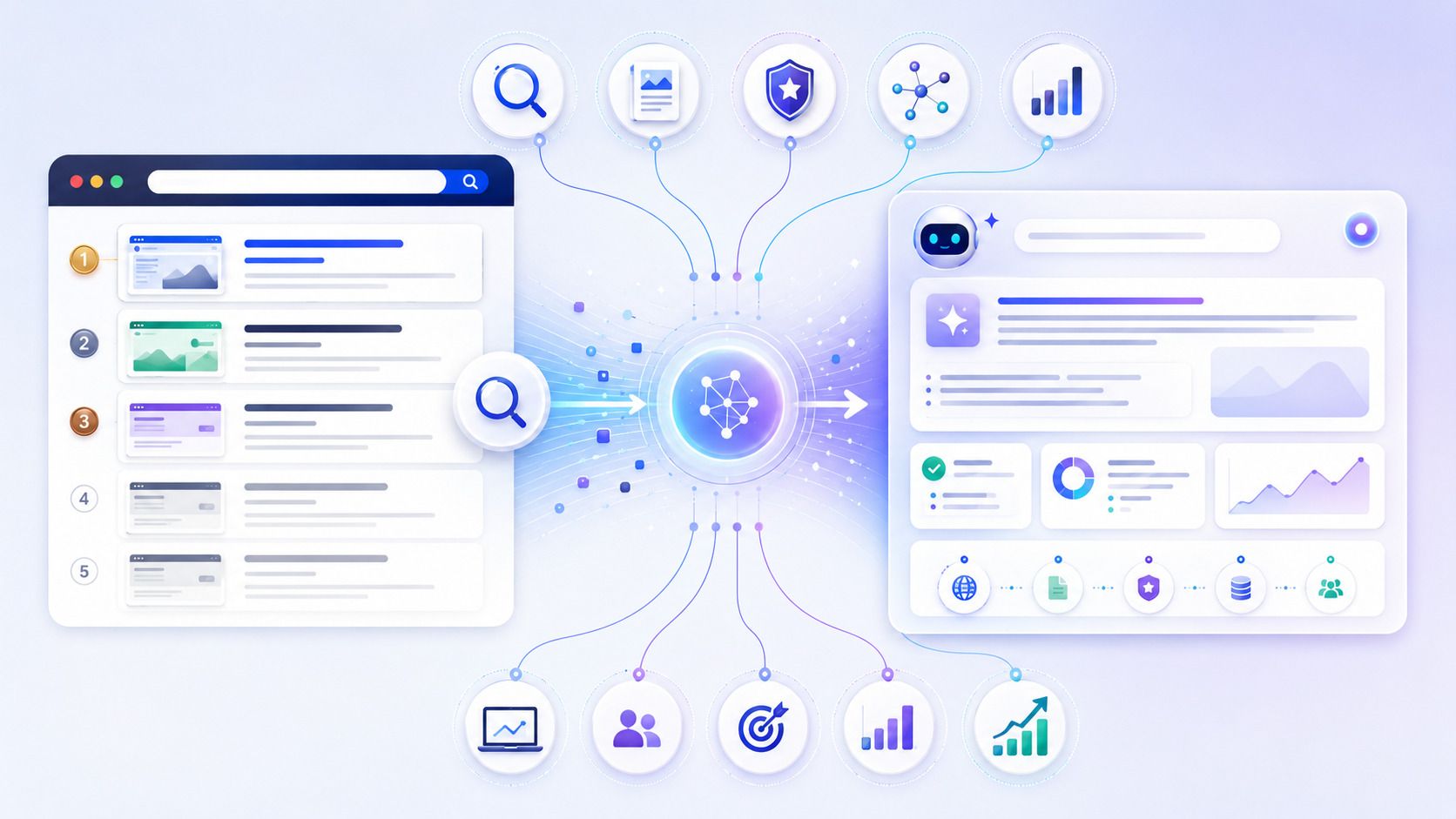
Search has changed. People are no longer depending only on blue links and page rankings to find answers. They now use AI-powered search results, answer engines, voice assistants, chatbots, and comparison tools to understand brands before making decisions.
This shift has changed how businesses need to think about SEO.
Traditional SEO still matters. Keywords, backlinks, technical performance, content quality, and search visibility are still important. But they are no longer enough on their own. Businesses now need content that is clear, helpful, trustworthy, structured, and easy for both search engines and AI systems to understand.
The AI search era is not replacing SEO. It is expanding what SEO must do.
What Is Traditional SEO?
Traditional SEO focuses on improving a website so it can rank higher on search engines like Google. It usually includes keyword research, on-page optimization, technical SEO, backlinks, meta tags, internal linking, page speed, and content creation.
For many years, this approach helped businesses attract organic traffic. A website could target the right keywords, publish optimized pages, build authority, and rank for important search terms.
Traditional SEO is still useful because people continue to search online. But user behavior has become more complex. Customers now expect faster answers, deeper clarity, and stronger proof before they trust a business.
That is where traditional SEO starts to feel limited.
How AI Search Has Changed User Behavior
AI search gives users direct answers instead of only showing a list of websites. Users can ask detailed questions and receive summarized responses. They can compare service providers, understand options, and collect insights without clicking many pages.
This means businesses must think beyond ranking positions.
A customer may not visit your website immediately. They may first see your brand mentioned in an AI-generated answer, a featured summary, a review platform, a comparison article, or a local search result.
In simple terms, visibility is no longer only about ranking on page one. It is about being understood, trusted, and selected across different digital touchpoints.
Why Traditional SEO Alone Is Not Enough
Traditional SEO often focuses heavily on keywords and rankings. But AI search looks for deeper signals.
AI-powered systems try to understand context, relevance, expertise, user intent, and answer quality. A page that only repeats keywords may not perform well in this environment.
Businesses need to create content that answers real questions clearly. They need to show experience, authority, and trust. They also need a strong website structure so important information can be easily discovered.
A keyword-focused page may rank for a term, but an answer-ready page can support visibility across search results, AI summaries, voice search, and decision-stage research.
The Shift From Keywords to Search Intent
Keywords still matter, but intent matters more.
A person searching for “digital marketing” may want a definition. A person searching for “digital marketing agency near me” may be ready to compare service providers. A person searching for “how much does digital marketing cost” may be evaluating budget.
Traditional SEO may treat these as separate keywords. Modern SEO must understand the customer’s stage, concern, and expected answer.
Content should match what the user actually needs. That means each page should answer the question behind the search, not only include the search term.
AI Search Rewards Clear and Useful Content
AI systems often depend on clear, structured information. If your content is vague, generic, or overloaded with unnecessary words, it becomes harder to understand.
Strong content should explain topics in simple language. It should use proper headings, short sections, examples, FAQs, and direct answers.
For example, a page about SEO should not only say SEO improves visibility. It should explain how SEO works, why it matters, what services are included, how long results take, and what businesses should expect.
The more useful and specific the content is, the stronger it becomes for both users and search systems.
Authority and Trust Are More Important Than Ever
AI search has increased the importance of credibility. Users want answers they can trust. Search engines also want to surface information from reliable sources.
This means businesses need to show proof.
Trust signals may include:
• Case studies
• Client testimonials
• Industry experience
• Author expertise
• Clear service explanations
• Real business information
• Reviews and ratings
• Updated content
• Helpful FAQs
• Strong About and Contact pages
For service businesses, trust can directly affect lead generation. A user may read your blog, check your service page, review your work, and then decide whether to contact you.
SEO now needs to support the full trust-building journey.
Content Must Be Built for the Full Customer Journey
Traditional SEO often focuses on bringing traffic. But traffic alone does not grow a business. The content must help users move from awareness to action.
A strong AI-era SEO strategy should include content for every stage.
Awareness Content
This includes educational blogs and guides that help users understand a problem or opportunity.
Examples:
• What is digital marketing?
• Why is SEO important for business growth?
• How does AI search affect online visibility?
Consideration Content
This helps users compare options and build confidence.
Examples:
• SEO vs paid ads
• How to choose a digital marketing agency
• What to expect from a digital marketing strategy
Conversion Content
This content helps users take action.
Examples:
• Service pages
• Location landing pages
• Case studies
• FAQs
• Consultation-focused pages
A business offering Digital Marketing Services in Chicago should not depend on one service page alone. It should build supporting content around customer questions, local intent, service value, and proof.
Technical SEO Still Matters
AI search does not remove the need for technical SEO. In fact, technical clarity is more important now.
Search engines and AI systems need to access, crawl, understand, and organize website information properly.
Technical SEO includes:
• Fast loading pages
• Mobile-friendly design
• Clean URL structure
• Schema markup
• Proper internal linking
• Secure website setup
• Error-free pages
• Optimized images
• Clear navigation
• Indexable content
If a website is slow, broken, or poorly structured, even good content may struggle to perform.
Structured Data Helps Search Engines Understand Content
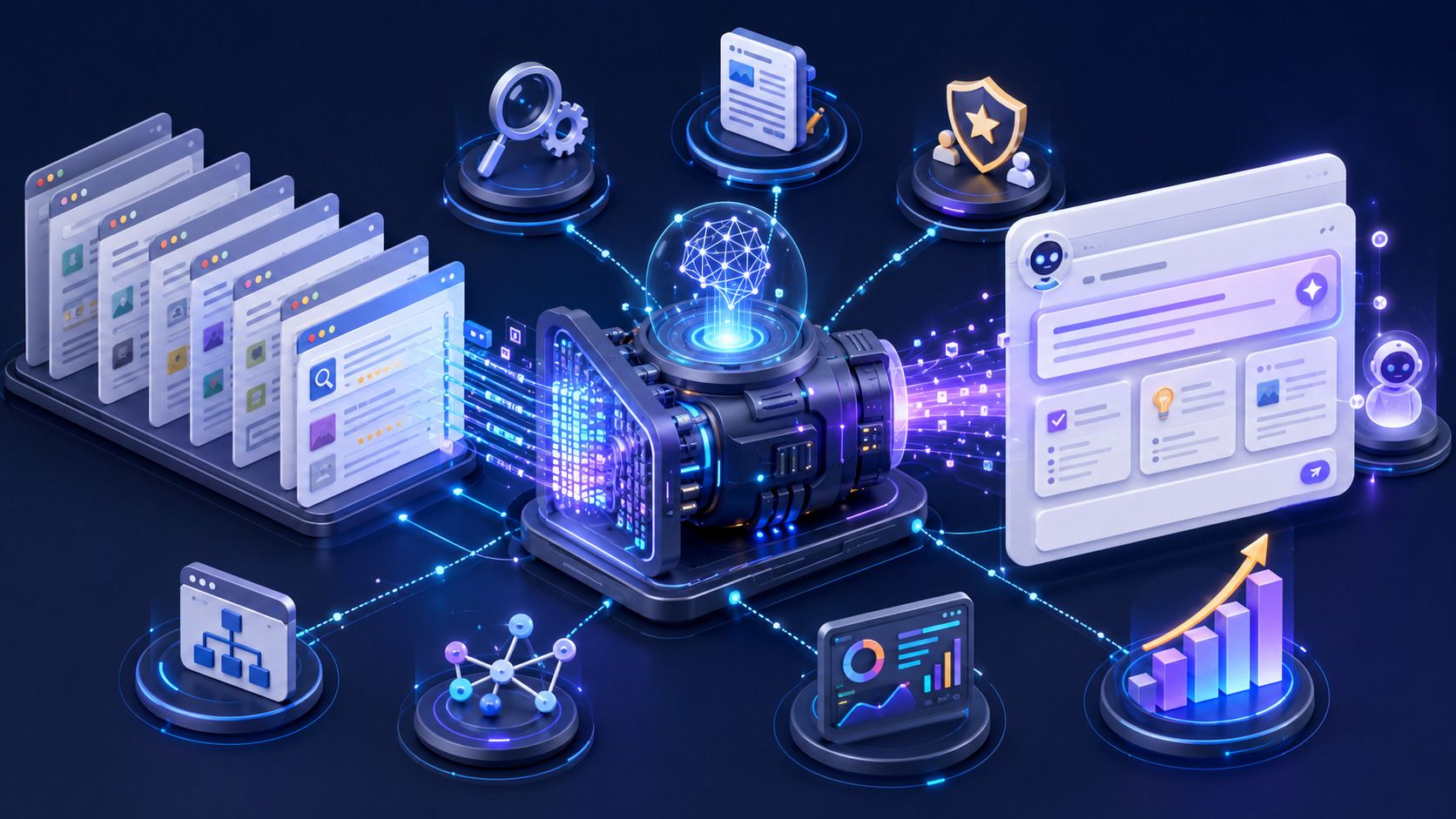
Structured data, also called schema markup, gives search engines additional context about a page. It can help identify services, FAQs, reviews, organization details, articles, local business information, and more.
This does not guarantee rankings, but it improves clarity.
In the AI search era, clarity matters. The easier your website is to understand, the better chance it has of being used in search experiences.
For businesses, schema can support service pages, blog articles, FAQs, local SEO, and review visibility.
Brand Visibility Beyond Your Website
AI search does not look at your website alone. A brand’s wider online presence also matters.
This includes:
• Google Business Profile
• Review platforms
• Social media profiles
• Business directories
• PR mentions
• Guest articles
• Case studies
• Industry listings
• Video content
• Client feedback
If your brand is mentioned consistently across trusted platforms, it strengthens credibility.
Modern SEO is not only website optimization. It is digital presence optimization.
Why Businesses Need SEO, AEO, and GEO Together
Traditional SEO helps improve rankings and organic visibility. AEO, or Answer Engine Optimization, helps content appear in direct answers, featured snippets, voice search, and question-based results. GEO, or Generative Engine Optimization, helps improve visibility in AI-generated responses and conversational search experiences.
These three approaches work together.
SEO builds the foundation.
AEO improves answer readiness.
GEO improves AI search visibility.
Businesses that continue using only old SEO methods may miss new discovery opportunities. Businesses that adapt can improve visibility across search engines, AI tools, and customer research journeys.
Common Mistakes Businesses Should Avoid
Many businesses still approach SEO with outdated thinking.
Common mistakes include:
• Writing only for keywords
• Publishing thin blogs
• Ignoring user intent
• Creating generic service pages
• Not updating old content
• Ignoring technical SEO
• Missing FAQ sections
• Not using internal links
• Avoiding schema markup
• Ignoring brand mentions and reviews
• Measuring only rankings instead of leads
SEO success now depends on usefulness, structure, trust, and performance.
How BrandStory Helps Businesses Adapt to AI Search
BrandStory helps businesses build modern digital marketing strategies that go beyond traditional SEO. The approach includes SEO, content strategy, AEO, GEO, technical optimization, local search visibility, website improvements, and performance tracking.
The focus is not only on rankings. The goal is to improve visibility where customers search, compare, and make decisions.
Every strategy is built around business goals, customer intent, competition, and digital presence. This helps create content and campaigns that support both search visibility and lead generation.
Conclusion
Traditional SEO is still important, but it is no longer enough by itself. The AI search era has changed how users find information, compare brands, and choose service providers.
Businesses now need clear content, strong authority, technical clarity, structured data, local visibility, and answer-ready pages. They also need a wider digital presence that supports trust across search engines and AI-powered platforms.
The future of SEO is not only about ranking higher. It is about becoming easier to find, easier to understand, and easier to trust.
"Learn why traditional SEO is no longer enough in the AI search era and how businesses can adapt with content, authority, technical SEO, and digital strategy."