

Digital Marketing Channels Explained: SEO, Paid Ads, Social Media, Email, and Content
A business can get traffic and still struggle to grow. It can run ads and still receive poor-quality leads. It can post on social media every day and still see little impact on sales.
This usually happens when marketing activities are not connected.
A strong digital marketing strategy brings every channel together with one clear purpose. It helps a business attract the right audience, build trust, convert leads, and retain customers. Instead of treating SEO, ads, content, social media, and email as separate tasks, a full-funnel plan connects them across the complete customer journey.
What Are Digital Marketing Channels?
Digital marketing channels are online platforms and methods used to reach, engage, and convert customers. These channels help businesses communicate with people at different stages of the buying journey.
Some users are just learning about a problem. Some are comparing options. Some are ready to enquire, book, or buy. A single channel cannot support every stage properly.
That is why businesses need a mix of digital marketing channels. The goal is not to be present everywhere. The goal is to be present where the right audience spends time, searches for answers, and makes decisions.
Why Choosing the Right Channels Matters
Many businesses start digital marketing by posting on social media or running ads. These activities can help, but they may not deliver results without a clear channel strategy.
For example, a business with long-term growth goals may need SEO and content marketing. A company that needs leads quickly may need paid ads. A brand that depends on trust and customer relationships may need social media and email marketing.
The right channel mix helps businesses:
• Improve online visibility
• Reach qualified audiences
• Build trust before sales conversations
• Generate better leads
• Reduce wasted marketing spend
• Support long-term brand growth
Each channel should have a clear purpose.
SEO: Building Long-Term Search Visibility
SEO, or search engine optimization, helps a website appear in search results when people look for products, services, or information online.
For many businesses, Google search is one of the most important sources of traffic. Customers use search engines to compare service providers, read reviews, understand pricing, and find answers. SEO helps businesses appear during these important moments.
A strong SEO strategy includes:
• Keyword research
• Website structure improvement
• On-page optimization
• Technical SEO
• Local SEO
• Blog content
• Link building
• Page speed improvement
• User experience updates
SEO is not usually instant. It takes time to build rankings and authority. But it can bring long-term traffic and reduce complete dependence on paid campaigns.
For service-based businesses, SEO can support both awareness and lead generation. Blogs can answer customer questions. Service pages can target buyer-intent keywords. Local SEO can help nearby customers find the business through Google Maps and local search results.
Paid Ads: Faster Reach and Lead Generation
Paid advertising helps businesses reach targeted audiences quickly. Unlike SEO, which takes time, paid ads can create visibility almost immediately once campaigns go live.
Common paid advertising platforms include:
• Google Ads
• Meta Ads
• LinkedIn Ads
• YouTube Ads
• Display Ads
• Remarketing campaigns
Paid ads work well when a business wants enquiries, bookings, app installs, product sales, event registrations, or brand awareness.
Search ads are useful for high-intent users. These are people already searching for a product or service. Social media ads are useful for awareness, interest creation, and lead generation. LinkedIn ads work well for B2B campaigns targeting professionals, industries, or job roles.
However, paid ads need proper planning. A campaign may waste money if the audience targeting, landing page, ad copy, or tracking setup is weak.
Good paid advertising should include clear goals, strong creatives, focused landing pages, audience testing, conversion tracking, and regular optimization.
Social Media Marketing: Building Awareness and Engagement
Social media helps businesses connect with people more consistently. It allows brands to share updates, educate audiences, show proof, build community, and stay visible.
Platforms such as Instagram, Facebook, LinkedIn, YouTube, and X can support different business goals. The best platform depends on the audience and business type.
For example, a B2B service company may use LinkedIn to share insights, case studies, and leadership content. A lifestyle, real estate, food, beauty, education, or retail brand may use Instagram and Facebook for stronger visual engagement.
Social media marketing can help with:
• Brand awareness
• Audience engagement
• Lead generation
• Customer education
• Community building
• Product launches
• Reputation building
• Retargeting support
Social media works best when content is consistent and useful. Random posting often brings weak results. A good social media plan should include content themes, audience insights, platform selection, creative formats, posting frequency, and performance review.
Email Marketing: Nurturing Leads and Customers
Email marketing is one of the most direct ways to communicate with leads and customers. It helps businesses stay connected after the first interaction.
Not every lead converts immediately. Some users need more information. Some need reminders. Some may be comparing options. Email helps nurture these users with useful and timely communication.
Email marketing can be used for:
• Lead nurturing
• Newsletters
• Offers and promotions
• Product updates
• Event invitations
• Customer education
• Re-engagement campaigns
• Follow-up sequences
For example, a user may download a guide from a website but may not enquire immediately. A well-planned email sequence can educate them, share service benefits, show case studies, and encourage them to book a consultation later.
Email also supports customer retention. Existing customers can receive updates, tips, offers, reports, or service reminders.
The best email campaigns are segmented. A new lead should not receive the same message as a loyal customer. Better segmentation leads to better engagement.
Content Marketing: Educating and Building Trust
Content marketing helps businesses attract, educate, and convert audiences through useful information. It includes blogs, landing pages, guides, case studies, videos, infographics, FAQs, whitepapers, and newsletters.
People often need answers before they make decisions. Content helps provide those answers. It also improves SEO, supports social media, strengthens paid campaigns, and helps sales teams explain value.
Good content marketing focuses on the customer’s questions, concerns, and goals.
Examples of useful content include:
• “How to choose the right service provider” blogs
• Industry guides
• Service comparison pages
• Case studies
• Customer success stories
• Problem-solution articles
• FAQ sections
• Educational videos
Content should not be created only for search engines. It should help real users understand a topic and take the next step with confidence.
For example, a business searching for a Digital Marketing Company in Los Angeles may read blogs, service pages, case studies, and comparison content before deciding which agency to contact.
How These Channels Work Together
Digital marketing performs better when channels support one another.
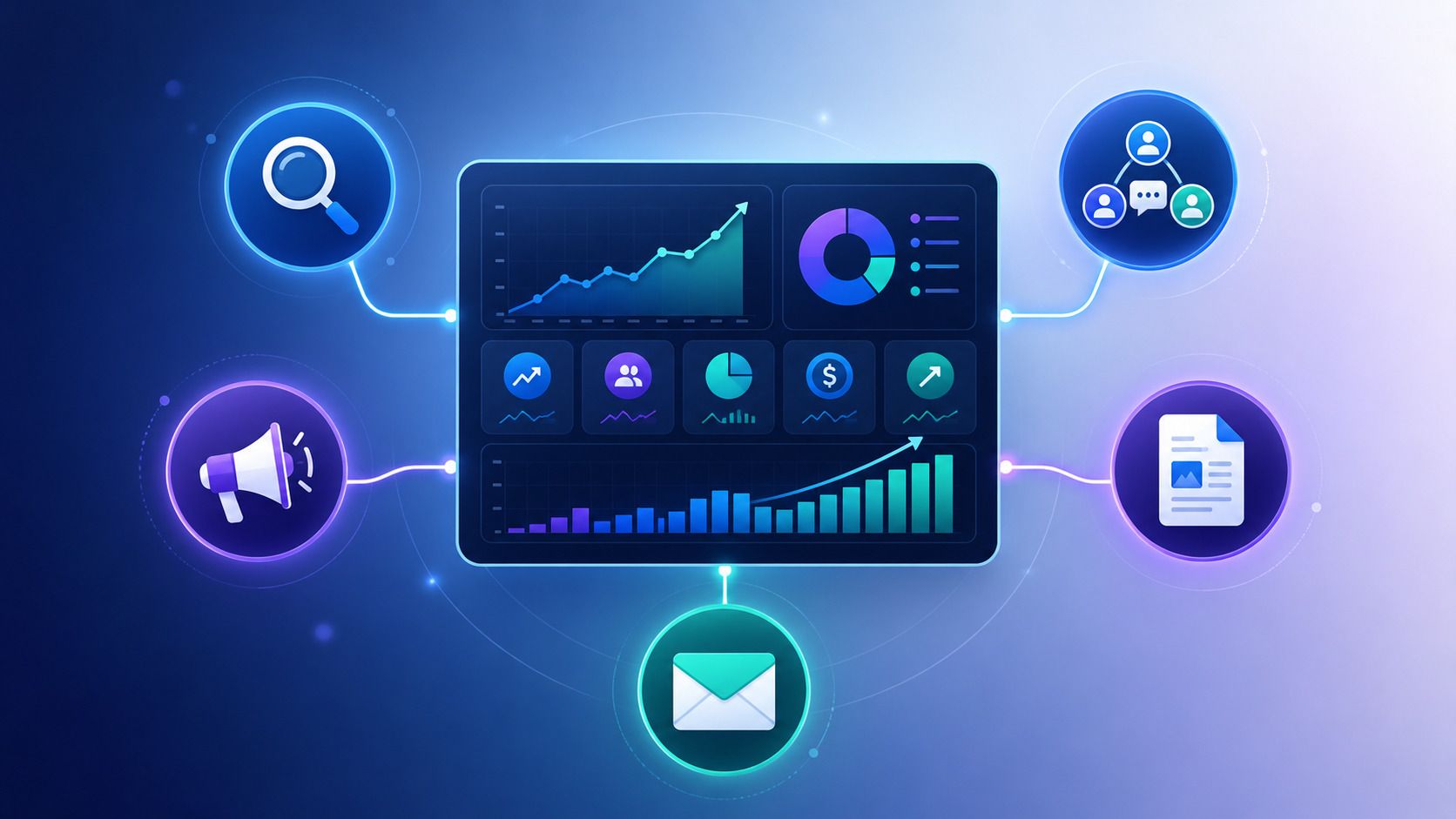
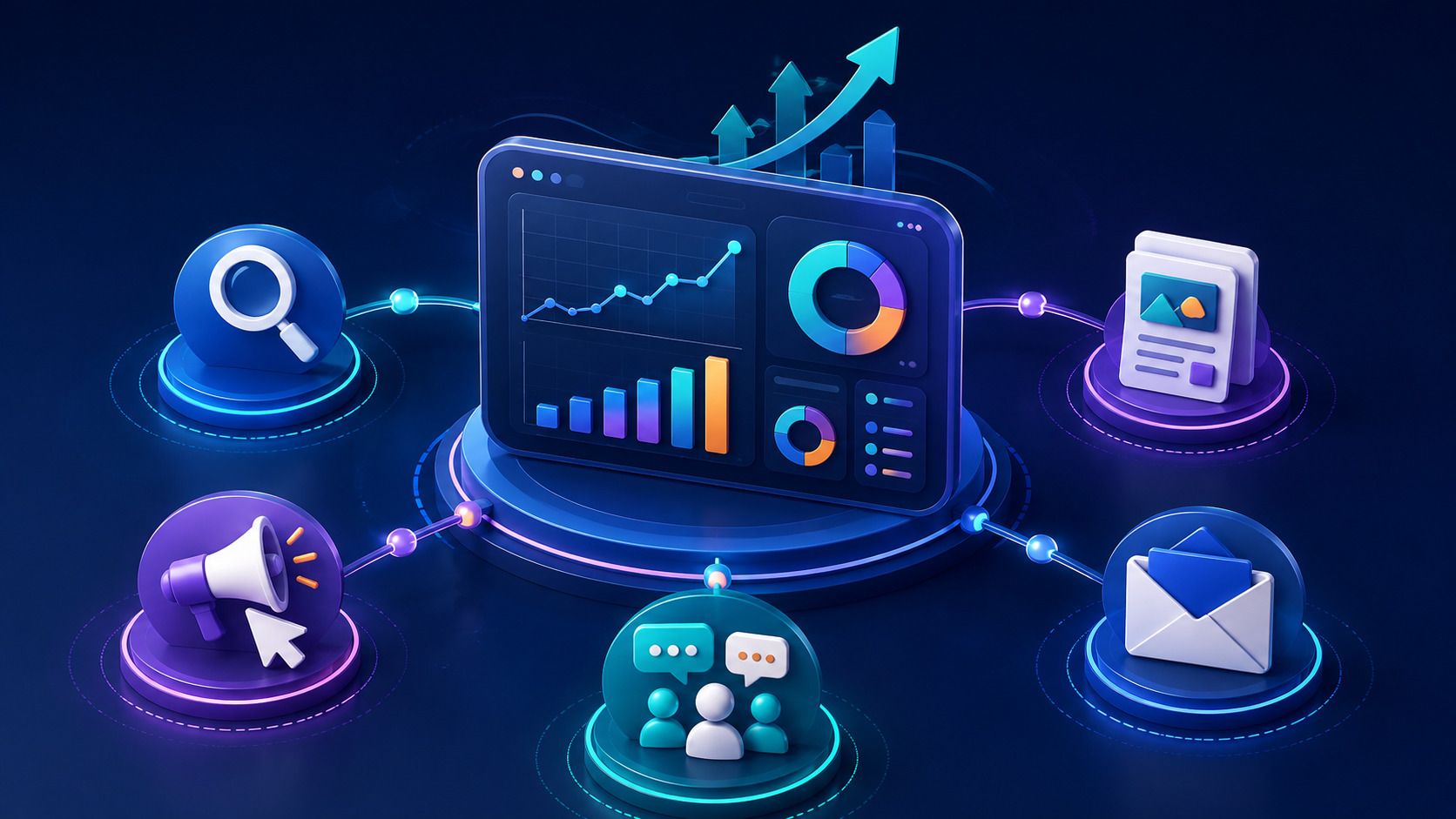
SEO brings organic traffic. Content gives users helpful information. Paid ads bring faster visibility. Social media builds brand recall. Email nurtures leads. Analytics shows what is working.
A customer may discover a brand through a blog, follow the brand on social media, see a remarketing ad, read a case study, receive an email, and then submit an enquiry.
This connected journey is more powerful than using each channel separately.
A full-channel strategy helps businesses stay present across different touchpoints. It also improves trust because users see consistent messaging across search, ads, website, email, and social platforms.
How to Choose the Right Digital Marketing Channels
The right channels depend on the business model, audience, goals, budget, and competition.
Before choosing channels, businesses should ask:
• Who is the target audience?
• Where do they search for information?
• Which platforms do they use daily?
• What is the main goal: leads, sales, awareness, or retention?
• Is the need short-term, long-term, or both?
• What budget is available?
• What content and website assets already exist?
A local business may need local SEO, Google Ads, Google Business Profile optimization, and landing pages. A B2B business may need SEO, LinkedIn, email marketing, and case studies. An ecommerce brand may need shopping ads, SEO, social media, email automation, and remarketing.
There is no single channel mix for every business. A good strategy is built around business goals and customer behavior.
Common Mistakes Businesses Should Avoid
Many businesses invest in digital marketing but do not see strong results because the channels are not planned properly.
Common mistakes include:
• Running ads without conversion tracking
• Posting on social media without a content strategy
• Writing blogs without keyword research
• Ignoring website speed and user experience
• Sending the same emails to every contact
• Choosing platforms without studying the audience
• Stopping SEO too early
• Measuring only traffic instead of leads and sales
Digital marketing should be reviewed regularly. Channels need testing, tracking, and improvement.
How BrandStory Supports Digital Marketing Growth
BrandStory helps businesses choose and manage the right digital marketing channels based on their goals, audience, and market competition. The approach connects SEO, paid advertising, social media, email marketing, content strategy, website optimization, and analytics.
The focus is not only on visibility. It is on building a complete digital system that attracts the right users, improves trust, and supports measurable growth.
Every channel is planned with a clear role. SEO builds long-term discovery. Paid ads support faster lead generation. Content educates and converts. Social media improves recall. Email strengthens follow-up and retention.
This connected approach helps businesses move from random marketing activity to structured digital growth.
Conclusion
Digital marketing channels work best when they are planned together. SEO, paid ads, social media, email, and content each support a different part of the customer journey.
A business does not need to use every channel at once. It needs the right channels, the right message, and the right measurement process.
When digital marketing is built with strategy, it helps businesses improve visibility, build trust, generate better leads, and support long-term growth.
"The right digital marketing channels help businesses reach customers at every stage, from discovery and trust building to lead generation and repeat engagement."