

Digital Marketing Trends Businesses Should Prepare for in 2026
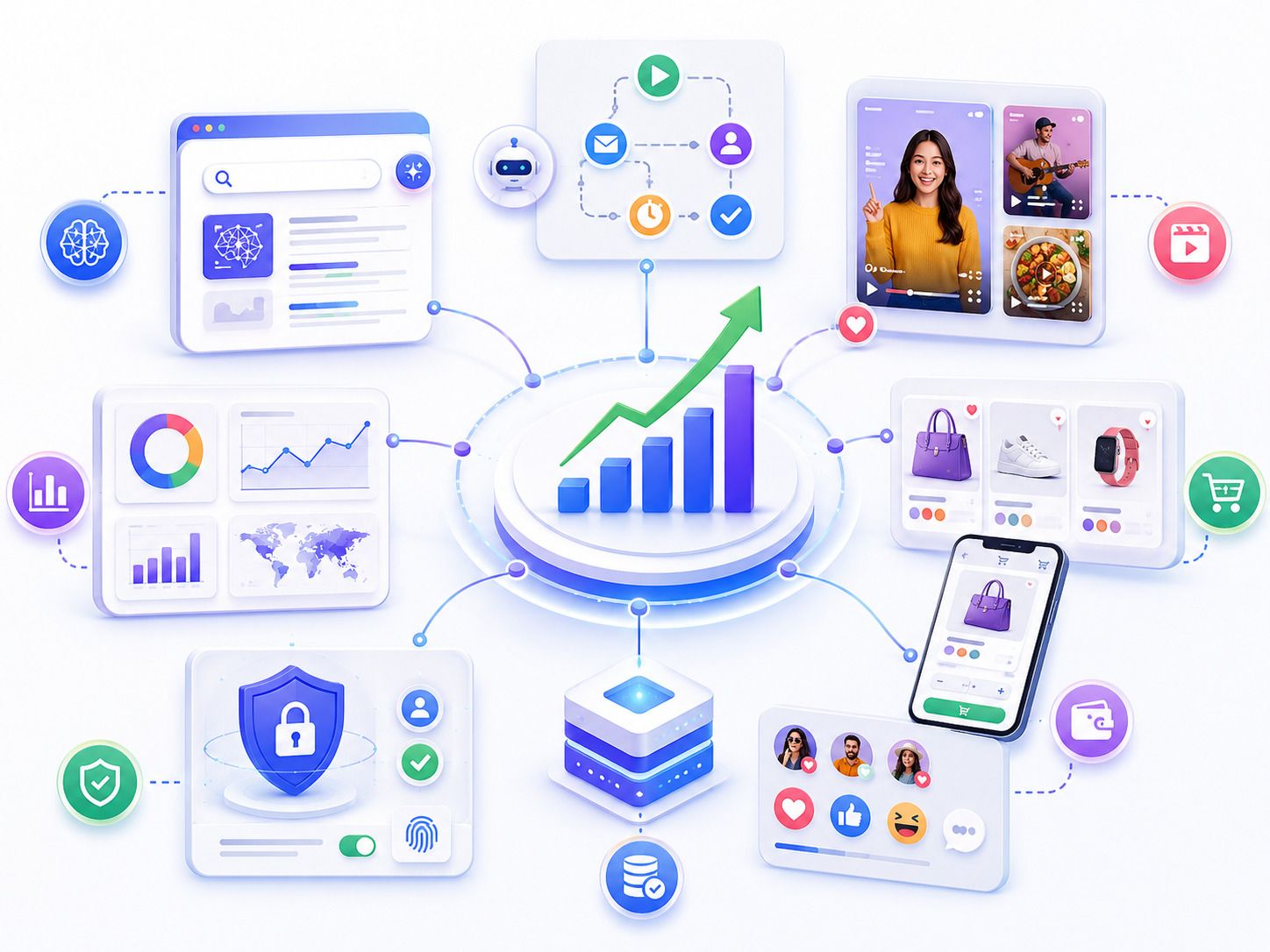
Digital marketing is changing fast, but the goal remains the same. Businesses still need visibility, trust, leads, sales, and long-term customer relationships.
What is changing is how customers discover and evaluate brands. People now search on Google, ask AI tools, watch short videos, compare reviews, follow creators, read emails, and move across several platforms before making a decision.
In 2026, businesses cannot depend on one channel or one campaign format. Growth will come from connected strategies, better data, useful content, stronger brand trust, and smarter use of AI.
1. AI Search Will Change How Customers Discover Brands
Search is no longer only about blue links and traditional rankings. AI-powered search results, answer engines, and conversational tools are changing how people find information.
HubSpot’s 2026 marketing data notes that more than 92% of marketers are already using or planning SEO for both traditional and AI-powered search engines. It also reports that nearly 30% of marketers have seen lower search traffic as users shift toward AI tools.
This means businesses need content that is clear, structured, helpful, and easy for search engines and AI systems to understand.
To prepare, brands should focus on:
• Strong topic clusters
• Clear answers to customer questions
• Expert-led content
• Schema markup
• Updated service pages
• FAQs
• Trust signals
• Real examples and proof
SEO will not disappear in 2026. It will become more intent-focused and authority-driven.
2. Brand Trust Will Matter More Than Content Volume
AI tools have made content creation faster. But they have also increased the amount of generic content online.
In 2026, businesses that publish more content without a clear point of view may struggle to stand out. HubSpot’s 2026 State of Marketing Report highlights brand point of view, trust, and relevance as important growth drivers as AI-generated content increases.
This makes brand trust more valuable.
Customers want to know who they are buying from, what the brand stands for, and whether it can deliver what it promises. Businesses should show proof through case studies, testimonials, expert insights, process clarity, customer stories, and transparent communication.
Content should not only target keywords. It should build confidence.
3. First-Party Data Will Become More Important
Privacy changes and tracking limitations have made first-party data more valuable.
First-party data is information collected directly from your audience through website forms, email signups, purchases, CRM activity, surveys, events, and customer interactions.
Businesses should not depend only on third-party audiences or platform data. They need their own customer data system.
A privacy-first data approach helps improve targeting, personalization, email campaigns, retargeting, and measurement. Recent 2026 marketing discussions also point to consented data and privacy-first systems as important for targeting and measurement.
Businesses should build clean email lists, CRM records, customer segments, lead source tracking, and consent-based marketing workflows.
4. Marketing Automation Will Support Faster Lead Movement
Automation is becoming important for both B2B and B2C brands.
Leads may come from ads, SEO, social media, landing pages, events, downloads, and referrals. Without automation, many leads receive late or inconsistent follow-up.
Marketing automation helps send timely emails, score leads, segment audiences, alert sales teams, and nurture prospects based on behavior.
A business using Digital Marketing Services in Phoenix can use automation to improve follow-up speed, nurture local leads, and turn early interest into sales-ready opportunities.
In 2026, automation will not be only about saving time. It will help businesses create better customer journeys.
5. Short-Form Video Will Remain a Strong Growth Channel
Short-form video will continue to influence how customers discover brands.
Reels, YouTube Shorts, TikTok videos, LinkedIn clips, product demos, founder videos, testimonials, and explainer content can build attention quickly.
Video works because it makes information easier to understand. It also helps brands feel more human.
Businesses can use short-form video for:
• Product education
• Service explainers
• Customer stories
• Behind-the-scenes content
• FAQs
• Case study highlights
• Founder-led insights
• Offer campaigns
The goal is not just views. The goal is to build trust and move users toward action.
6. Personalization Will Shape Customer Experience
Customers expect relevant communication.
Generic ads, emails, and landing pages may not perform as well in 2026. Businesses need to personalize based on user behavior, location, service interest, purchase history, and buying stage.
Personalization can include:
• Industry-specific landing pages
• Product recommendations
• Location-based campaigns
• Email segments
• Retargeting messages
• Dynamic website content
• CRM-based follow-ups
Personalization should feel useful, not intrusive. The best version helps customers find the right information faster.
7. Social Media Will Move Beyond Posting
Social media will continue to shift from basic posting to community, trust, creator partnerships, and social selling.
Businesses should not measure success only through likes or followers. They need to track meaningful engagement, website visits, direct messages, leads, saves, shares, and customer conversations.
Social media in 2026 will work best when it supports:
• Brand trust
• Customer education
• Lead generation
• Community building
• Creator collaboration
• Remarketing
• Social proof
Brands should use social media as part of a larger growth system, not just a content calendar.
8. Paid Ads Will Need Better Creative and Tracking
Paid advertising is becoming more competitive.
Businesses can no longer rely only on increasing budgets. Better results will come from strong creatives, sharper audience targeting, better landing pages, and proper conversion tracking.
Google’s AI-powered ad and search changes are already creating new discussions among marketers about how campaigns are built, measured, and optimized.
To prepare, businesses should improve:
• Conversion tracking
• Landing page quality
• Creative testing
• Audience segmentation
• Retargeting
• Lead qualification
• CRM integration
• Cost per qualified lead tracking
The strongest paid campaigns will connect ad spend with real business outcomes.
9. Analytics Dashboards Will Guide Smarter Decisions
Marketing teams need clear reporting to make better decisions.
GA4, Google Tag Manager, Search Console, ad platforms, CRM tools, and dashboards can help businesses understand what is working.
But dashboards should not show every number. They should focus on useful metrics.
Important metrics include:
• Qualified leads
• Cost per qualified lead
• Conversion rate
• ROAS
• Organic traffic
• Lead source quality
• Sales opportunities
• Customer acquisition cost
• Revenue by channel
In 2026, businesses that connect marketing and sales data will make better budget decisions.
10. Omnichannel Marketing Will Become Standard
Customers do not move through one straight path.
They may see a social post, search on Google, read a blog, click an ad, receive an email, watch a video, and then contact the business.
This means businesses need an omnichannel strategy.
SEO, paid ads, social media, email, content, retargeting, and analytics should work together. Each channel should support the same customer journey.
A disconnected strategy creates gaps. A connected strategy builds trust at every touchpoint.
Final Thoughts
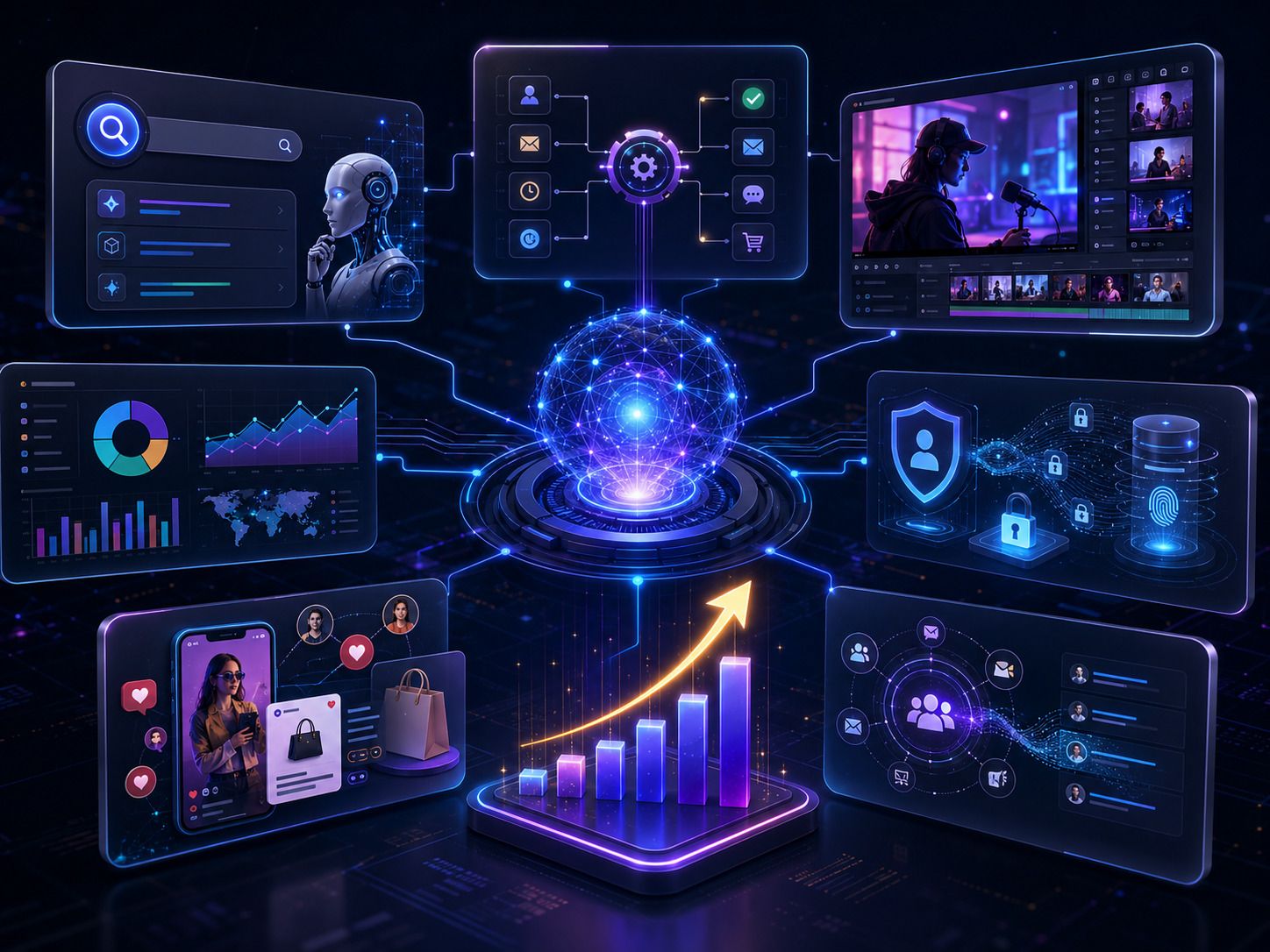
Digital marketing trends in 2026 will be shaped by AI, trust, privacy, automation, video, personalization, paid media changes, and stronger analytics.
Businesses that prepare early will have an advantage. They will create better content, improve tracking, build first-party data, personalize customer journeys, and make smarter marketing decisions.
The future of digital marketing is not only about using new tools. It is about building a connected system that helps customers discover, trust, and choose your brand with confidence.
"“Digital marketing in 2026 will reward brands that combine AI, trust, useful content, privacy-ready data, and stronger customer experiences.”"