

How SEO Supports Long-Term Lead Generation for Businesses
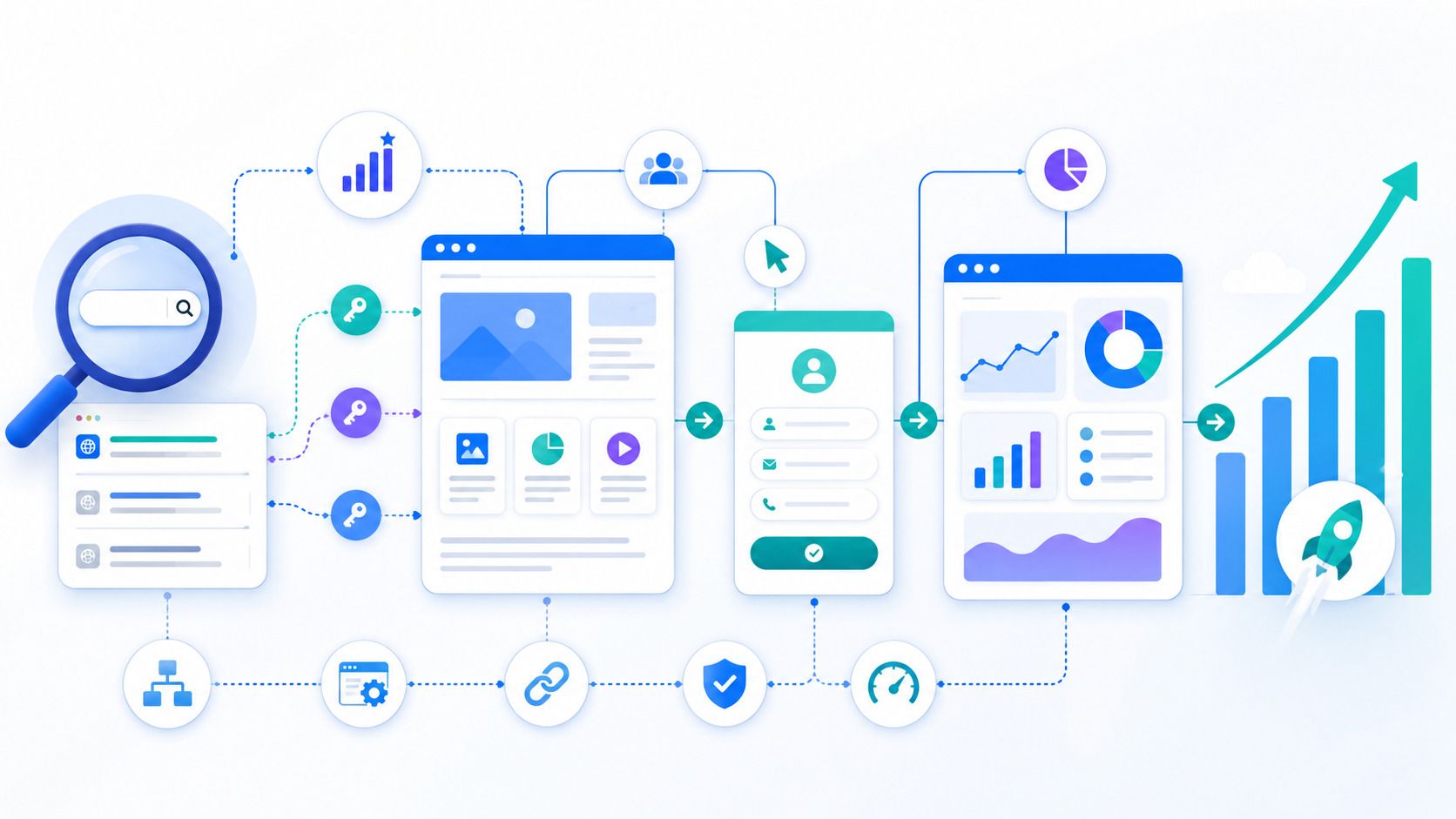
Leads rarely come from one single action. Most customers search, compare, read, check reviews, visit service pages, and then decide which business feels reliable enough to contact.
This is why SEO plays an important role in long-term lead generation. It helps a business appear when people are already searching for answers, services, or solutions. Unlike short-term promotions, SEO builds visibility over time and keeps bringing qualified traffic when the strategy is planned well.
For businesses that want steady enquiries, better trust, and lower dependency on paid campaigns, SEO is one of the strongest digital growth channels.
What Is SEO in Lead Generation?
SEO, or search engine optimization, is the process of improving a website so it ranks better on search engines like Google. When users search for a service, product, problem, or local provider, SEO helps your website appear in front of them.
In lead generation, SEO does more than bring traffic. It attracts people who already have search intent. These users may be looking for information, comparing providers, or ready to submit an enquiry.
A strong SEO strategy connects the right keywords, website pages, content, technical performance, and conversion paths so visitors can become leads.
Why SEO Is Important for Long-Term Business Growth
Many businesses depend heavily on paid ads for leads. Paid campaigns can bring fast enquiries, but they stop when the budget stops.
SEO works differently. It builds an organic presence that can continue to support traffic and enquiries over time. A well-optimized service page, local landing page, or blog article can keep attracting visitors even after it is published.
This makes SEO valuable for businesses that want sustainable growth.
SEO supports long-term growth by improving:
• Search visibility
• Website traffic
• Brand trust
• Local reach
• Content authority
• Lead quality
• Conversion opportunities
• Cost efficiency over time
It creates a stronger digital foundation for future marketing campaigns.
SEO Brings Users With Real Search Intent
One of the biggest advantages of SEO is intent.
When people search on Google, they usually have a need. They may want to solve a problem, compare services, find a nearby company, or understand pricing. This makes SEO traffic more valuable than random visibility.
For example, a user searching for website development, digital marketing, interior design, legal advice, healthcare services, or software solutions is already showing interest. SEO helps your business appear during that moment.
This is different from interrupting people with ads when they may not be actively looking. SEO places your business where demand already exists.
SEO Builds Visibility Across the Customer Journey
Not every visitor is ready to become a lead immediately. Some users are at the awareness stage. Some are comparing options. Some are ready to contact a company.
SEO helps businesses reach users across all these stages.
Awareness Stage
At this stage, users are learning about a problem or opportunity. Blog articles, guides, FAQs, and educational content help attract them.
Example topics include:
• What is digital marketing?
• How does SEO help businesses grow?
• Why does website speed matter?
• What are the benefits of social media marketing?
These topics help users discover your brand early.
Consideration Stage
At this stage, users compare solutions and service providers. Service pages, comparison content, case studies, testimonials, and industry pages help build confidence.
This content shows why your business is a suitable choice.
Conversion Stage
At this stage, users are ready to take action. Optimized landing pages, clear CTAs, contact forms, trust signals, and local pages help turn visitors into leads.
This full-journey visibility makes SEO a strong lead generation channel.
SEO Improves Website Quality
SEO is not only about keywords. It also improves website structure and user experience.
A website that ranks well often needs to be fast, mobile-friendly, easy to navigate, and useful for visitors. These improvements also help lead generation.
SEO work may include:
• Improving page speed
• Fixing technical errors
• Creating better page structure
• Optimizing headings and content
• Improving internal linking
• Making pages mobile-friendly
• Adding schema markup
• Updating old content
• Strengthening service pages
When the website becomes easier to use, visitors are more likely to stay, explore, trust the brand, and enquire.
SEO Helps Build Trust Before a Sales Call
Customers often trust brands that appear naturally in search results. Strong rankings create a sense of credibility, especially when supported by helpful content, good reviews, detailed service pages, and consistent messaging.
Before a user contacts a business, they may visit several pages. They may read a blog, check the About page, look at services, review case studies, and compare competitors.
SEO helps make this experience stronger by placing useful content in front of users at the right time.
Trust-building content can include:
• Helpful blog articles
• Detailed service pages
• Client success stories
• FAQs
• Location pages
• Industry-specific pages
• Review-focused content
• Expert guides
The more useful the content, the easier it becomes for users to trust the business.
Local SEO Supports Location-Based Leads
For businesses that serve a specific city or region, local SEO is highly important. It helps customers find the business through local search and Google Maps.
Local SEO includes optimizing Google Business Profile, local landing pages, reviews, citations, service areas, and location-based keywords.
For example, a business offering Digital Marketing Services in Chicago can use local SEO to reach companies searching for marketing support in that city.
Local SEO is especially useful for clinics, agencies, real estate businesses, restaurants, training institutes, legal firms, contractors, consultants, and other service providers.
It helps businesses attract nearby customers who are more likely to enquire.
Content Marketing Makes SEO Stronger
Content is the backbone of SEO-led lead generation. Without useful content, it becomes difficult to rank for relevant search terms or answer customer questions.
Content marketing helps businesses capture different types of searches. Some users search for direct services. Others search for questions, comparisons, costs, benefits, mistakes, or guides.
A strong SEO content plan may include:
• Service pages
• Blog articles
• Location pages
• FAQs
• Case studies
• Industry pages
• Comparison pages
• Resource guides
Each content piece should have a clear purpose. Some pages bring traffic. Some build trust. Some support conversions. Some help sales teams explain value.
Good content keeps working long after it is published when it is updated and optimized regularly.
SEO Reduces Complete Dependence on Paid Ads
Paid ads are useful for fast visibility, but relying only on ads can become expensive over time. Costs may rise due to competition, bidding changes, and audience fatigue.
SEO helps reduce this pressure by building organic traffic.
This does not mean businesses should stop paid ads. SEO and paid ads can work together. Paid ads can bring quick leads while SEO builds long-term visibility. Over time, organic traffic can support a more balanced lead generation system.
A healthy digital strategy usually includes both short-term and long-term channels.
SEO Improves Lead Quality
SEO can improve lead quality because users find your business based on intent. They are already searching for something related to your service.
When SEO targets the right keywords and content topics, it brings users who match your business offering.
For example, a broad keyword may bring general traffic. A specific service keyword may bring users closer to enquiry. A location-based keyword may bring local leads. A comparison keyword may attract users who are evaluating providers.
This is why keyword strategy matters.
A lead-focused SEO plan should target:
• Service keywords
• Location keywords
• Problem-based keywords
• Comparison keywords
• Industry-specific keywords
• High-intent search terms
• Long-tail keywords
The goal is not just more traffic. The goal is better-fit traffic.

SEO Supports Better Conversion Paths
Getting traffic is only the first step. A visitor should know what to do next.
SEO pages should guide users toward action. This can include enquiry forms, phone numbers, WhatsApp links, consultation CTAs, downloadable guides, demo requests, or quote forms.
Strong conversion elements include:
• Clear headline
• Helpful service explanation
• Benefits and proof points
• Simple CTA
• Short contact form
• Testimonials
• Case studies
• FAQs
• Trust badges
• Fast mobile experience
When SEO and conversion optimization work together, the website becomes a stronger lead generation tool.
SEO Delivers Compounding Value Over Time
SEO is not instant, but its value builds with time. Every optimized page, blog, backlink, technical fix, and content update adds strength to the website.
Over time, the website can rank for more keywords, attract more visitors, and generate more enquiries.
This compounding effect is one of the biggest reasons businesses invest in SEO. A paid campaign may stop when the budget ends. A strong SEO asset can continue to bring visibility with proper maintenance.
That makes SEO a long-term business investment.
Common SEO Mistakes That Limit Lead Generation
Many businesses invest in SEO but do not get enough leads because the strategy is incomplete.
Common mistakes include:
• Targeting only high-volume keywords
• Ignoring local SEO
• Publishing blogs without a clear purpose
• Not optimizing service pages
• Having weak CTAs
• Ignoring technical SEO
• Not updating old content
• Poor mobile experience
• Slow website speed
• No lead tracking setup
SEO should be connected to business goals. Rankings alone are not enough. The strategy should focus on qualified traffic and conversions.
How BrandStory Helps Businesses Generate Leads Through SEO
BrandStory builds SEO strategies that support visibility, trust, and lead generation. The approach includes keyword research, website analysis, technical SEO, content planning, service page optimization, local SEO, analytics, and performance improvement.
The focus is not only on rankings. It is on attracting the right audience and helping them move from search to enquiry.
Every SEO plan is created based on business goals, competition, customer intent, service offering, and location opportunities. This helps create a practical strategy that supports long-term growth.
Conclusion
SEO supports long-term lead generation by helping businesses appear when customers are actively searching. It improves visibility, website quality, trust, local reach, content authority, and conversion opportunities.
Unlike short-term campaigns, SEO builds value over time. It helps businesses attract better traffic, reduce complete dependence on paid ads, and create a stronger foundation for digital growth.
For businesses that want consistent enquiries and sustainable online visibility, SEO is one of the most important channels to invest in.
"SEO helps businesses attract qualified leads consistently by improving visibility, trust, and search presence across every stage of the customer journey."