

How to Optimize Content for AI Answers

Creating content is no longer enough. It needs to be understood, selected, and presented.
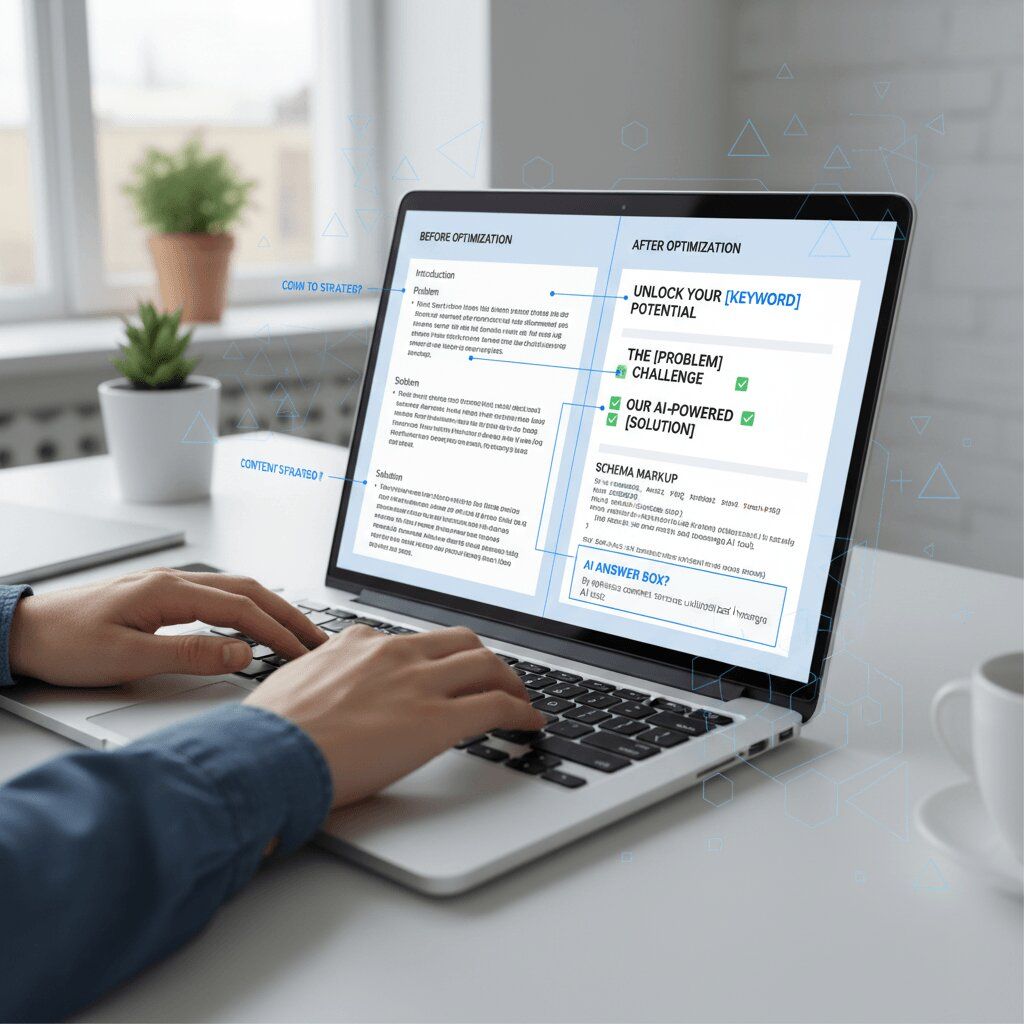
AI platforms like Google SGE, ChatGPT, and Perplexity AI are changing how content is consumed. Instead of users reading full pages, these systems extract key insights and deliver them as answers.
This shifts the focus from writing content to structuring it effectively.
For brands working with a modern digital agency, content optimization now means building assets that AI systems can interpret with ease.
To understand the foundation behind this approach, refer to the Answer Engine Optimization Guide.
Why Content Optimization for AI Matters
AI systems prioritize content that is easy to process.
They are not looking for the most complex explanation. They are looking for the clearest one.
Content that is:
- Structured logically
- Easy to scan
- Contextually complete
is more likely to be selected and used in responses.
This makes optimization a critical part of modern content strategy.
Start with Clear and Direct Communication
Clarity is the first layer of optimization.
Content should explain ideas in a way that is easy to understand without requiring multiple readings.
This means:
- Avoiding overly complex sentences
- Breaking down ideas into smaller sections
- Using precise language
Content that is easy for humans to understand is also easier for AI systems to process.
Build Strong Content Structure
Structure determines how easily content can be extracted.
Well-structured content includes:
- Clear headings that define sections
- Logical progression of ideas
- Short and focused paragraphs
This allows AI systems to quickly identify relevant sections and use them in responses.
To understand how structure supports this, refer to Semantic SEO Explained.
Focus on Context, Not Just Keywords
Keywords still matter, but context matters more.
AI systems use Natural Language Processing to understand meaning rather than exact matches.
Content should:
- Include related concepts
- Explain ideas fully
- Connect topics logically
This improves the chances of being selected.
Answer User Intent Within the Flow
Content should naturally address what the user is looking for.
Instead of forcing answers into separate sections, integrate them within the content flow.
This creates a better reading experience and improves extractability.
Understanding intent is critical.
To align content with intent, refer to How AI Answers Are Changing SEO.
Strengthen Internal Linking
Internal linking improves context and authority.
It helps AI systems:
- Understand relationships between topics
- Identify supporting content
- Build a complete view of your expertise
A well-connected content system performs better than isolated pages.
For brands working with a digital marketing team, this means building content ecosystems instead of individual posts.
Expand Topic Coverage
Depth of content improves selection.
Content should cover:
- Core concepts
- Related topics
- Supporting explanations
This signals expertise and improves relevance.
Maintain Consistency Across Content
Consistency builds trust.
Publishing regularly on related topics strengthens authority and improves visibility.
Content should follow:
- Similar structure
- Consistent tone
- Clear positioning
This helps AI systems recognize patterns and reliability.
Avoid Over-Optimization
Trying to force optimization can reduce content quality.
Common issues include:
- Keyword stuffing
- Overuse of lists
- Artificial structure
Content should feel natural while still being structured.
Balance is important.
Common Mistakes in AI Content Optimization
Many businesses struggle due to avoidable mistakes.
Common issues include:
- Writing without structure
- Ignoring user intent
- Producing shallow content
- Lack of internal linking
- Inconsistent publishing
These reduce the chances of being selected.
Practical Optimization Checklist
To improve AI visibility, focus on:
- Clear and simple explanations
- Strong content structure
- Context-rich content
- Internal linking between topics
- Consistent publishing
These elements work together to improve selection.
AI Optimization and the Future of Content
Content optimization is evolving.
The focus is shifting from ranking pages to creating content that can be:
- Understood
- Extracted
- Presented
AI systems will continue to refine how they select content.
Businesses that adapt early will gain long-term advantages.
Conclusion
Optimizing content for AI answers requires clarity, structure, and context.
Content must be designed for both users and AI systems. It should be easy to read, easy to understand, and easy to extract.
Brands that focus on these principles will consistently appear in AI-generated responses.
FAQ
How do you optimize content for AI answers
Focus on clarity, structure, context, and internal linking to improve selection by AI systems.
Do keywords still matter in AI search
Yes, but context and intent are more important than exact keyword matches.
What type of content performs best
Content that is clear, structured, and covers topics in depth performs best.
How does structure affect AI visibility
Structured content is easier for AI systems to extract and use in responses.
"Optimize content for AI answers with clear structure, concise responses, and credible context that directly satisfies user intent and improves visibility"